
Art-to-Go
Art-to-Go is a monthly activity designed to provide teachers with a fun, free resource for the classroom. Every month from September to May, you can check back here, or sign up to receive an email with the latest activity. Each Art-to-Go comes with a printable full-color image of a BMA artwork, background on the collection item, and an activity designed around a single, important, teachable idea.
Art-To-Go is supported in part by the Institute of Museum and Library Services.
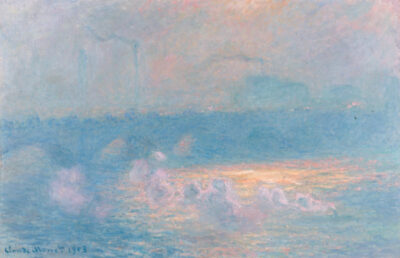
For the Love of Smog
Claude Monet was a French painter who is considered by many in the art world the leader of Impressionism, an artistic movement that took place predominantly in the 1860s to 1880s. Impressionists were interested in capturing the immediate visual feeling of a scene, often applying quick and distinctive brushstrokes to the canvas to depict changing light and atmosphere.
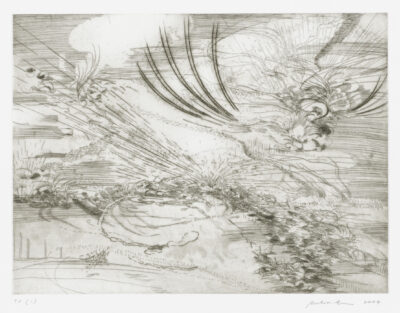
Geography is Biography
Migration, a fundamental aspect of human history, has shaped societies and cultures across the globe for thousands of years. For painter and printmaker Julie Mehretu (born 1970), migration is a key theme in her portfolio, or series, Landscape Allegories.
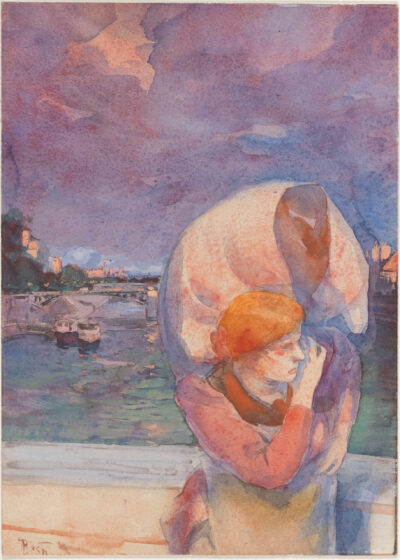
Blended Worlds
In Crossing the Bridge by French artist Albert Besnard, we see the harmonious union between traditional academic art-making and an experimental style of art called Impressionism.
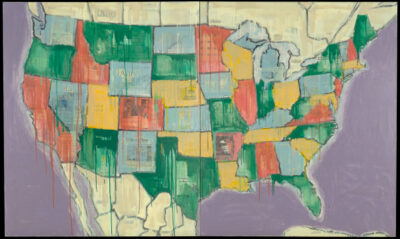
What Do Maps Represent?
In Echo Map I, created by artist, educator, and political activist Jaune Quick-to-See Smith (1940–2025), a map of the continental United States emerges, dripping with paint. Look closer.
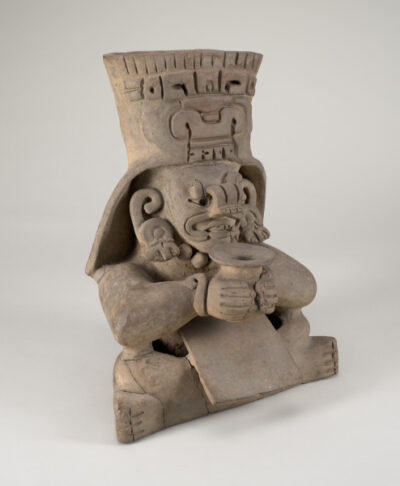
Hello, Rain!
For the ancient Zapotec, who originated in Oaxaca, Mexico, in 500 BCE, the rain god Cocijo (co-SEE-ho) held an important role by providing rain that allowed crops to thrive, ensuring the community was well-fed.
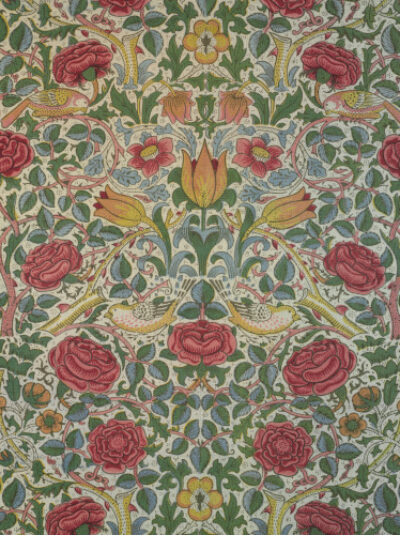
Beauty and Function
For William Morris (1834–1896), art was a vital part of life. He believed that everyone should have equal access to art that would enrich their lives and bring beauty to everyday activities. William was a part of the British Arts and Crafts movement, which began in the 1860s and flourished through the 1920s. The movement emphasized the beauty and usefulness of art while taking influence from the natural world.