
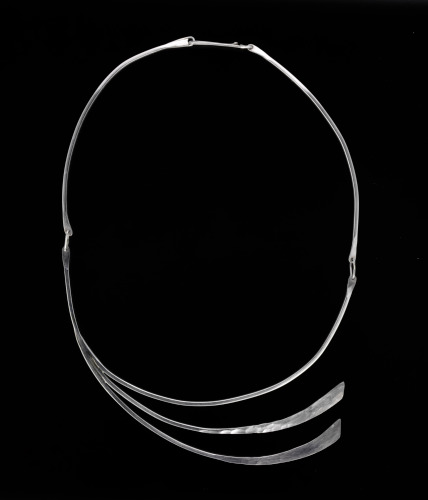
Necklace
Betty Cooke
On View: American Wing Second Floor, Scott 02
Betty Cooke
On View: American Wing Second Floor, Scott 02
Betty Cooke
1957-01-01 00:00:00
Betty Cooke
1957-01-01 00:00:00
Betty Cooke
1950-01-01 00:00:00
Betty Cooke
1950-01-01 00:00:00
Betty Cooke
1949-01-01 00:00:00
Betty Cooke
1957-01-01 00:00:00
Betty Cooke
1957-01-01 00:00:00
Betty Cooke
1976-01-01 00:00:00
Betty Cooke
Betty Cooke
2014-12-31 19:00:00
Betty Cooke
2014-12-31 19:00:00
Betty Cooke
1997-12-31 19:00:00
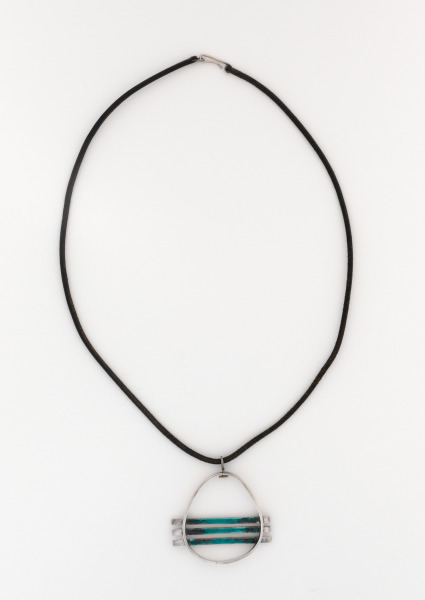
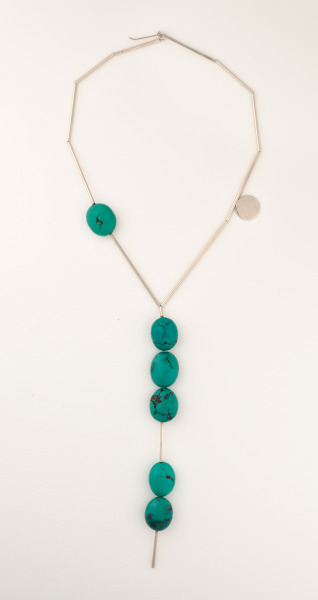
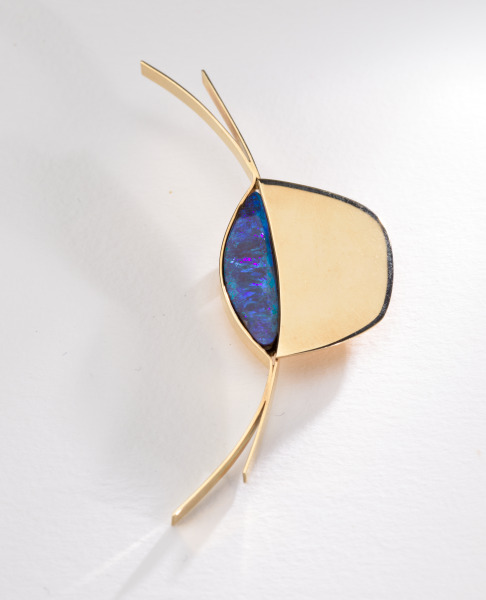
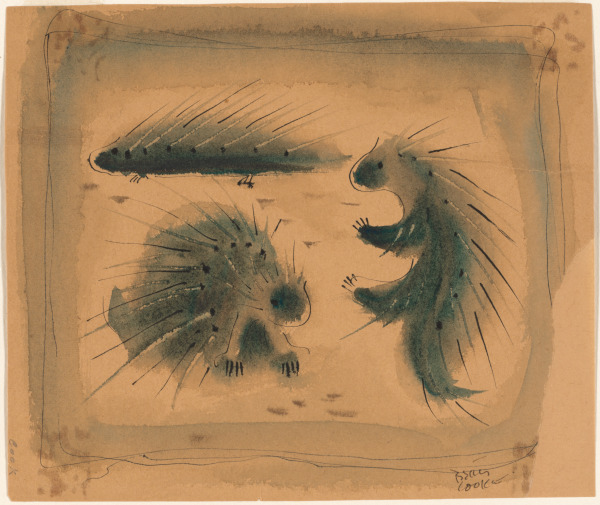
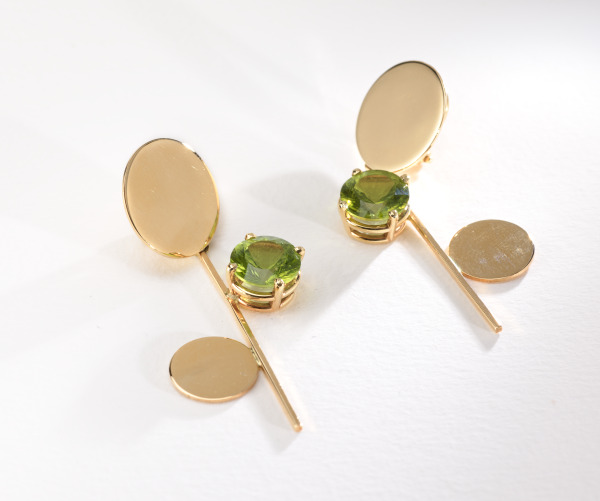
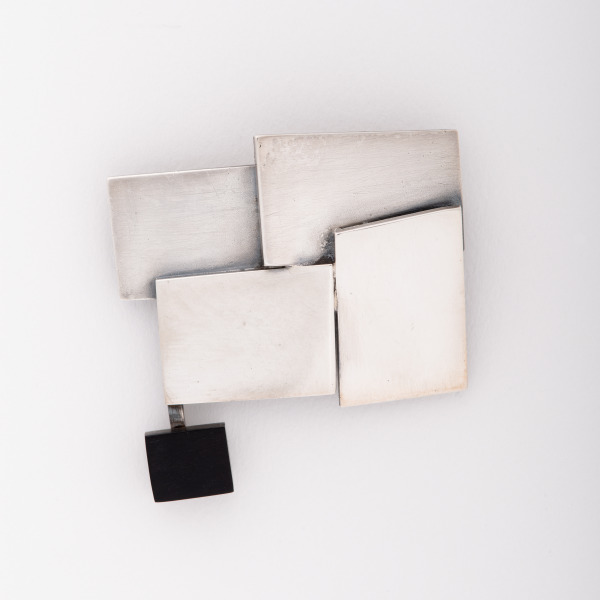
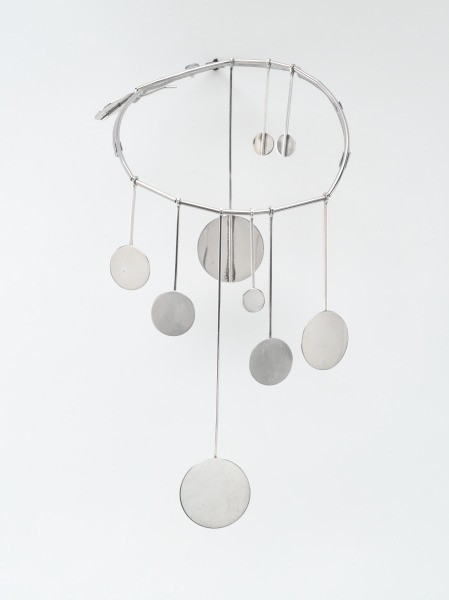
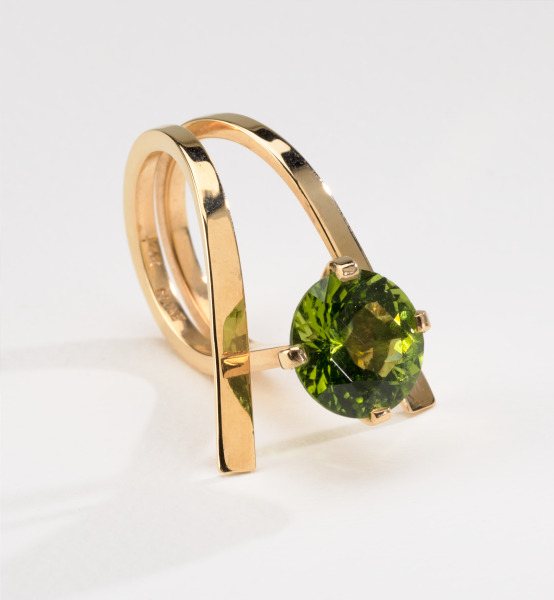
Born and based in Baltimore, Betty Cooke (1924–2024) was an artist at the forefront of American modernism. Cooke’s metal and mixed-media jewelry combined the shapes of circles and lines—sometimes with a pebble, bone, or diamond—to redefine 20th-century wearable design. She began making jewelry in the 1940s over a forge in her home studio on Tyson Street in Baltimore City while attending the Maryland Institute of Art (MICA). To fabricate her modular, geometric pieces that featured an unexpected turn or surprise, Cooke worked with brass and copper; more traditional metals like gold and silver; leather; ebony, walnut, rosewood, and other woods; and pebbles, pearls, and stones. Intrepid from the start, she toured her jewelry around the country, hitchhiking with a friend to find new retailers. The Baltimore Museum of Art acquired its first necklace by Cooke in 1950— a gift of collector Saidie A. May (1879–1951)—when the artist was emerging as an icon of the mid-20th-century Studio Craft movement.
By the 1970s, pieces by Cooke were gracing the fashion runways of New York City and Milan, Italy. She received the prestigious DeBeers Diamond Award in both 1979 and 1981, she was elected to the American Craft Council’s College of Fellows in 1996. Her works are exhibited at the Museum of Modern Art, New York, the Museum of Fine Arts, Boston, and the Museum of Arts and Design, New York, among many other venues. Locally, Cooke championed the arts in Baltimore, bringing international designers to her store, The Store Ltd., and donating to arts institutions such as MICA, where she went on to teach, and the Baltimore Museum of Art. Cooke was still making works in her studio until her death at age 100.