
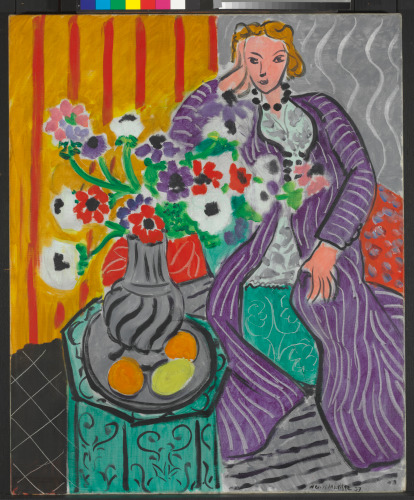
Charles Herman Stricker Wilmans
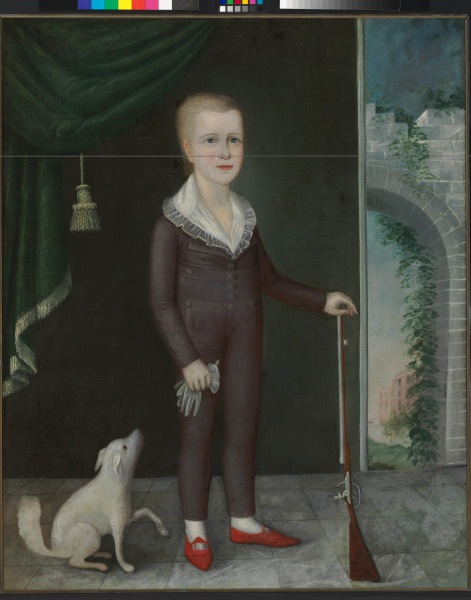
Joshua Johnson
1804-01-01 00:00:00
On View: American Wing Second Floor, Scott 06
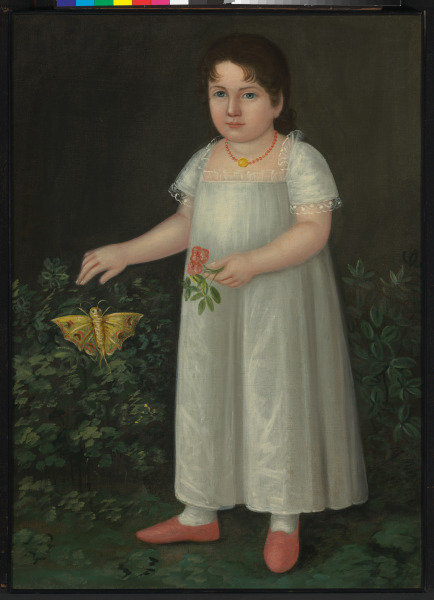
Joshua Johnson
1804-01-01 00:00:00
On View: American Wing Second Floor, Scott 06
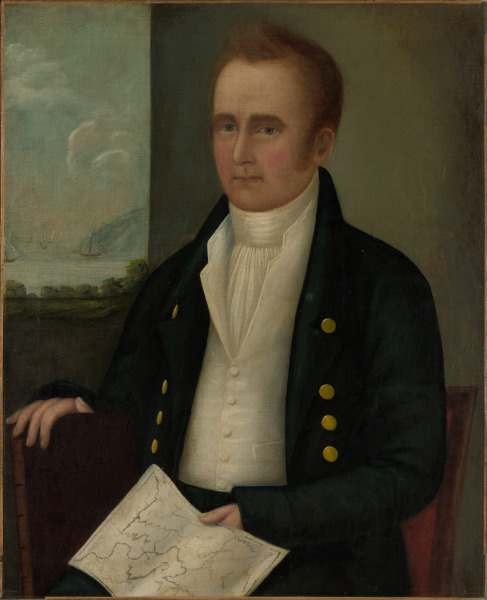
Joshua Johnson
1805-01-01 00:00:00
On View: American Wing Second Floor, Scott 08
Joshua Johnson
1810-01-01 00:00:00
On View: American Wing Second Floor, Haberdeventure Parlor
Joshua Johnson
Joshua Johnson
1820-01-01 00:00:00
Born Baltimore County, MD, c. 1763–1824 or after; Place and year of death unknown
Joshua Johnson was born enslaved on a plantation that belonged to a man named William Wheeler. Johnson’s father, George Johnson, was a white man, and his mother was an enslaved woman whose name and life dates have not been found among what little documentation exists from the artist’s life. George Johnson purchased his son as a toddler and established him as an apprentice to a blacksmith in Baltimore at age 19—with the condition that Joshua would be considered freed from slavery either upon the completion of his apprenticeship or upon his 21st birthday, whichever came first. Approximately 80 paintings are currently attributed to Joshua Johnson; his body of work is charmingly compelling on its own, but the difficult circumstances under which he lived make it even more so.
We don’t know how Johnson learned the art of painting, but he took out an ad in a Baltimore newspaper in 1798 touting himself as a “self-taught genius” who had overcome “many … obstacles” in the pursuit of his art. City directories place him during the late 1790s and early 1800s at a series of addresses in now-downtown Baltimore, where he would have lived among other free Black Marylanders. To support his wife Sarah and their children, Johnson painted portraits commissioned mostly by his white neighbors (only two known portraits are of Black subjects, the ministers Daniel Coker [1780–1846] and Abner Coker [c. 1767–1833]). In 1825, Johnson moved to Frederick County and then Anne Arundel County, but the year and place of his death are currently not known. Now held in major museum collections, his works are highly valued for their skill and for what they tell us of life in Federalist-era Baltimore.
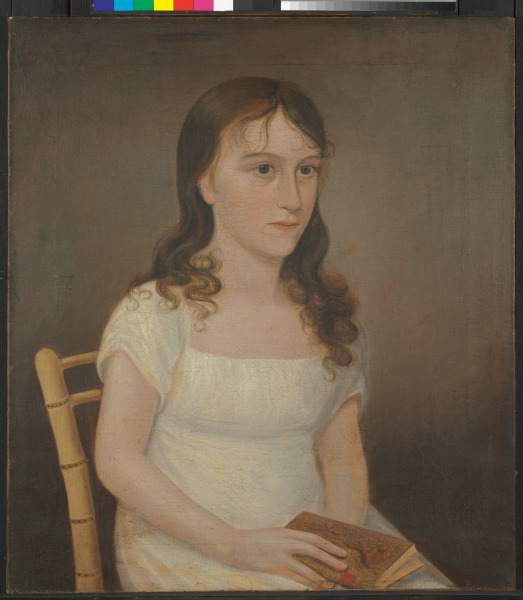
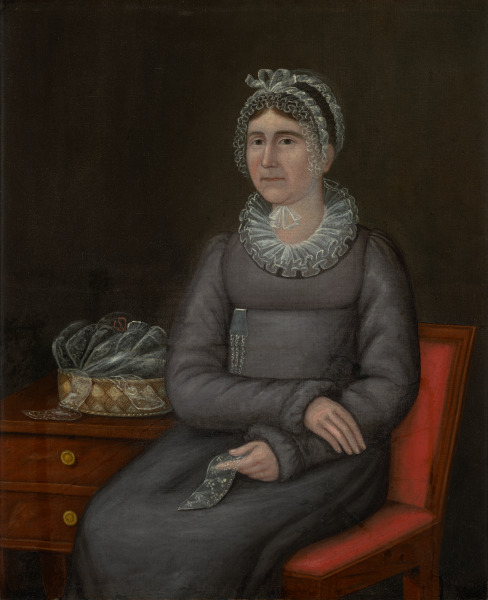
Portraits by Joshua Johnson are characterized by their delicately drawn features and almond-shaped eyes; his sitters’ expressions approach a slight smile. He paid careful attention to details such as lace collars, shoes, and toys or props. His compositions show an awareness of the portrait conventions of his time: individuals are shown against a plain background, in front of a diagonally draped red curtain, or with a partial view through a window or doorway to a landscape beyond. His sitters’ bodies, almost boneless in their anatomy, are graceful and slightly stiff.