Henri Matisse
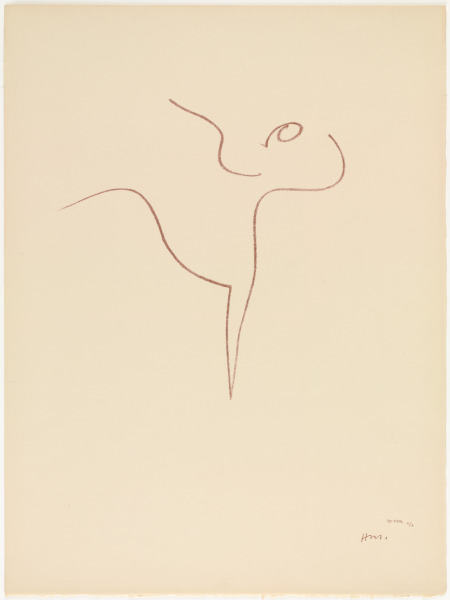
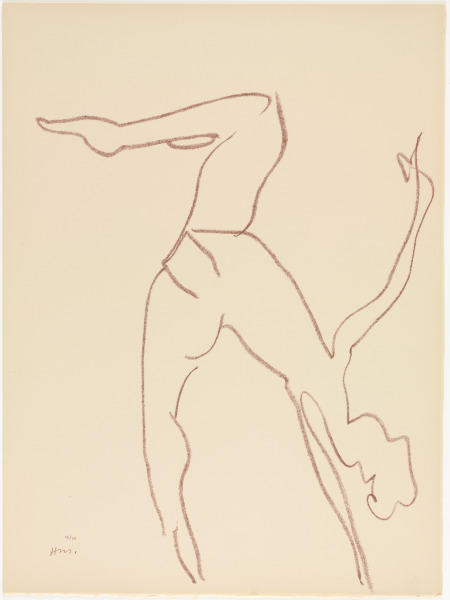
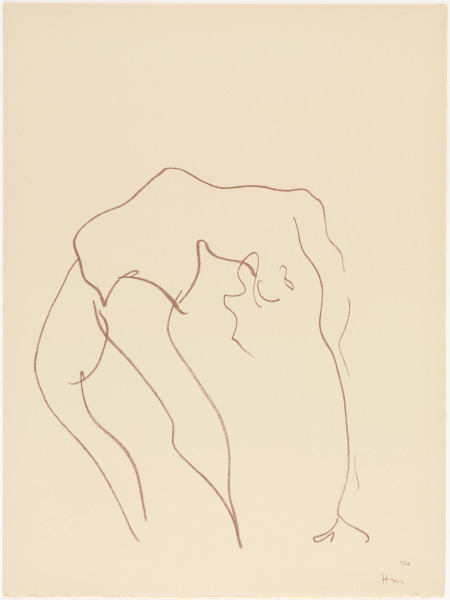
Acrobatic Dancer
1930-1931
Scroll
Henri Matisse
Acrobatic Dancer
1930-1931
Physical Qualities
Photolithograph printed in red brown, Sheet: 508 x 378 mm. (20 x 14 7/8 in.)
Credit Line
Marguerite Matisse Duthuit Collection
Object Number
2011.15
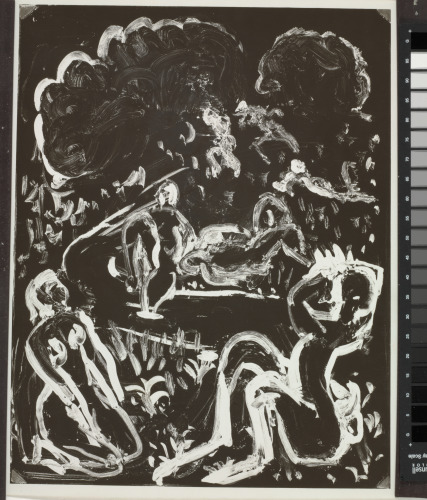
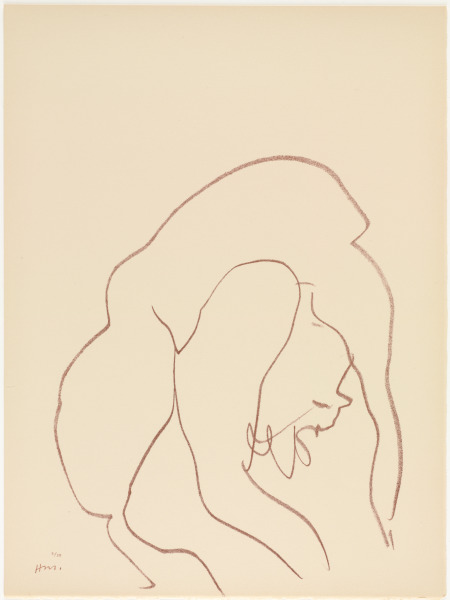
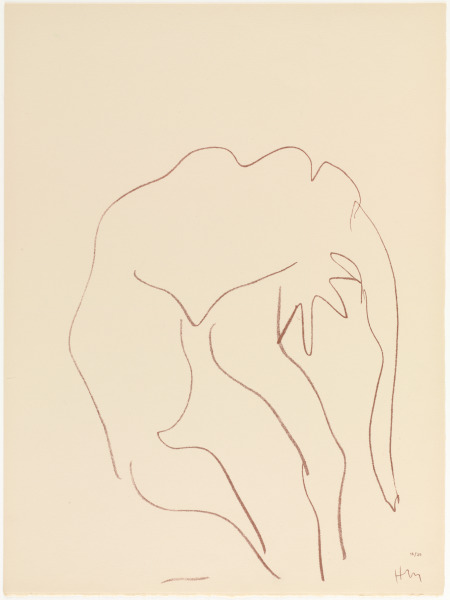
Albert Barnes’ 1930 commission for a mural called The Dance was the catalyst for an intense and radical change in Matisse’s art. During the artist’s visit with Barnes in Pennsylvania, he made compositional sketches that reflected the scale and structure of the space where the mural was to be installed.
After returning to Nice, he continued to plan the composition but also began working with a model on individual figure studies. That model was probably Lisette Löwengard, who also appears in the BMA’s groundbreaking painting, The Yellow Dress, hanging nearby in the rotunda of the Cone Wing.
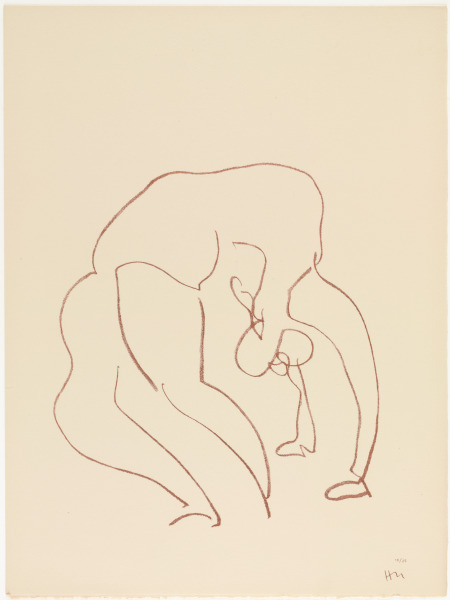
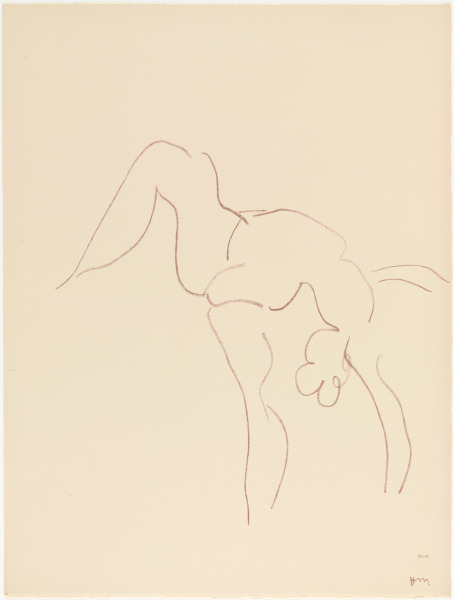
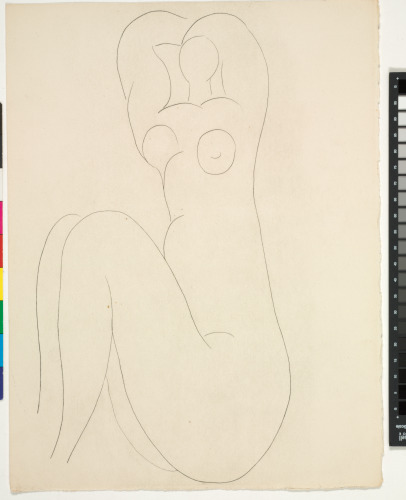
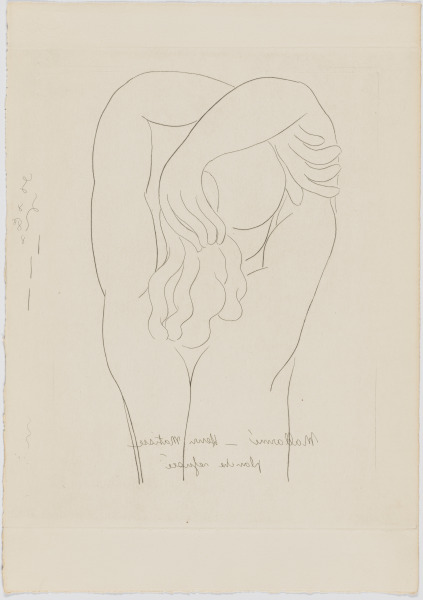
Before returning to France, Matisse wrote to his wife and asked her to tell Lisette “to do what is necessary to be in top physical form, because I am going to have need of her.” The series begins with the model seated with one leg stretched over the other, followed by two drawings of the model perfectly balanced on one leg while the other leg rises like a flame straight up against the curve of her torso and arms. These two poses are followed by eight even more extreme positions—expressive movements of a manic modern dance. Then comes the final image: two lines that encompass body and limbs together, plus a rounded squiggle for the head, creating an eloquent equilibrium of balance and poise. When viewed together, these rapidly drawn studies, each positioned differently on the page, achieve a stop-motion of momentary stasis with just a few continuous lines.
Though we do not know the exact purpose of this remarkable portfolio of prints, we can be sure that it makes use of the studies that Matisse drew in the 1930s for the mural figures in The Dance. Based on current research, the most likely scenario is that Matisse asked the printer Mourlot to produce this series of photo-lithographs, using photographs of drawings Matisse had selected from a group of his earlier dance studies.
In 1950, Matisse made a lithographic portrait of the great novelist and cabaret performer Colette, for the publication of her book La Vagabonde. (Inspired by Colette’s own experiences, it tells the story of a woman, Renée Néré, who becomes a dancer in music halls after a divorce.) Matisse may have hoped that this Acrobatic Dancers portfolio could accompany Colette’s project but his prints were never published. In 1967 the series was printed posthumously by the estate of the artist, though few of the prints were ever distributed. Baltimore’s set is one of the few sets in a public collection.
The Baltimore Museum of Art by gift, 2011; Barbara and Claude Duthuit; Marguerite Matisse Duthuit; the artist
Matisse's Dancers