
Arita kilns
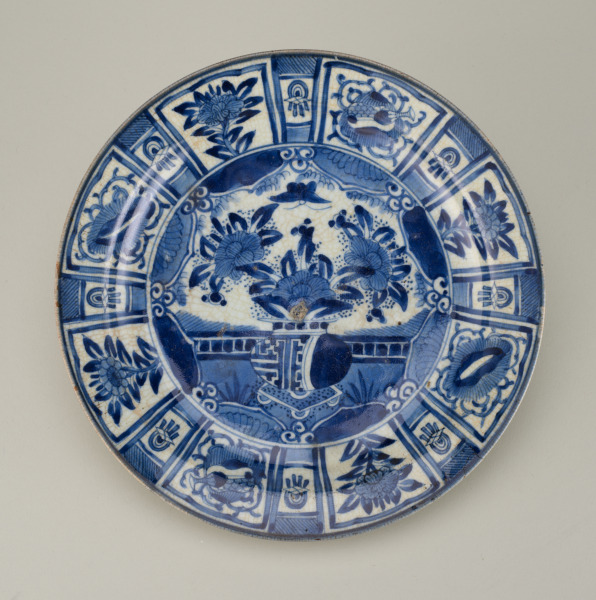
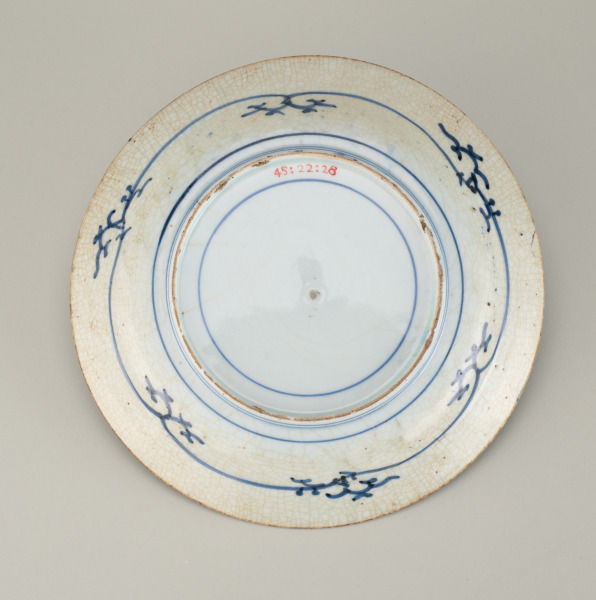
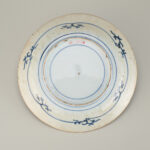
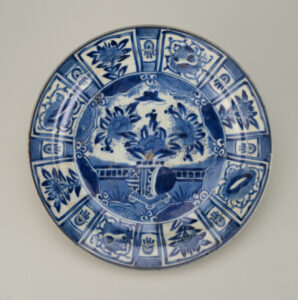
Dish Decorated with a Basket of Flowers
1666-1699
Scroll
Arita kilns
Dish Decorated with a Basket of Flowers
1666-1699
Physical Qualities
Porcelain with underglaze cobalt decoration, 1 1/2 H x 8 Diam. in.
Credit Line
Gift of Mrs. J.H. Mason Knox, Jr., from the Estate of Julia Rogers
Object Number
1945.22.28
This type of ceramic, featuring framed panels surrounding a central decorative motif, is called Kraak porcelain. The 17th-century Dutch term kraak was probably associated with a type of sailing vessel (carrack) used for trade. In 1602 and 1604, the Dutch captured Portuguese carracks, and the auction of the seized cargoes in Amsterdam introduced Chinese wares to the Netherlands. The Kraak ware was exported widely, not only to the West but also throughout East Asia. In the late 17th and early 18th centuries, Arita kilns in Japan copied the flower basket design on their Imari wares. The motif, which conveys good wishes, remained a feature of Chinese porcelain for both the popular domestic and export markets.
The Baltimore Museum of Art by gift, 1945; Marion Bowdoin Knox (Mrs. J.H. Mason Knox, Jr.) by bequest, 1945; Miss Julia R. Rogers, Baltimore
Asian Reinstallation: Home, Temple, Tomb
[Asian Refresh]
Asian Gallery Rotations 2023
Asian Rotations 2024
Asian Rotations 2025