
Johann Joachim Kändler, Freidrich Eberlein, and others
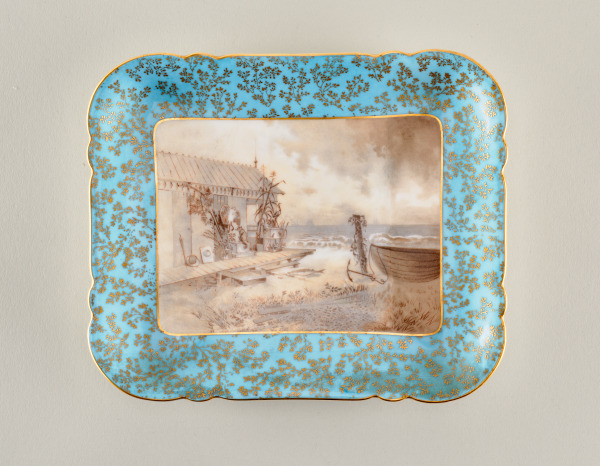
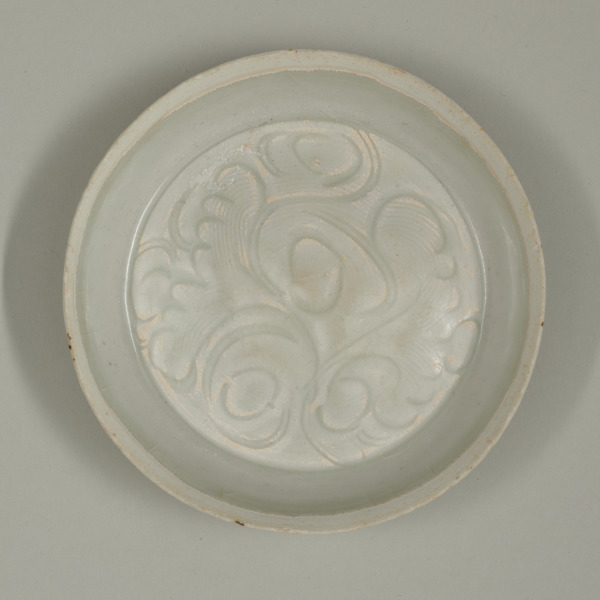
Dish from The Swan Service
1735-1737
Scroll
- Maker: Johann Joachim Kändler
- Maker: Freidrich Eberlein
- Manufacturer: Meissen Porcelain Factory
Dish from The Swan Service
1735-1737
Physical Qualities
Hard-paste porcelain, painted with overglaze enamels and gold, 11-7/8 in. diam.
Credit Line
Mr. and Mrs. Kenneth S. Battye Fund
Object Number
1977.9.4
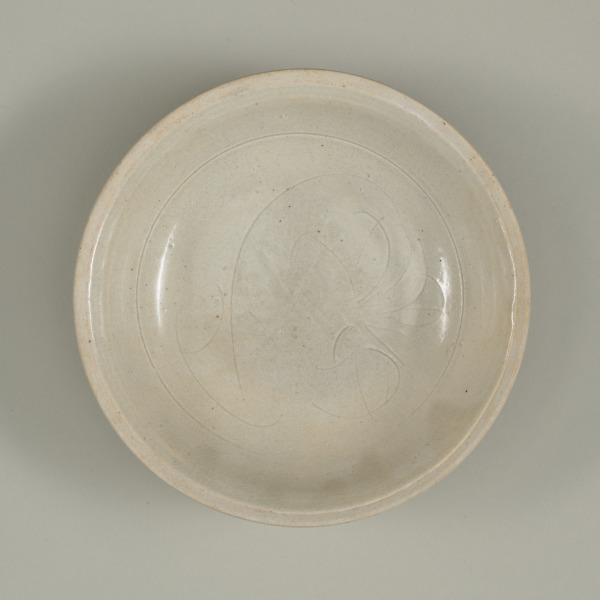
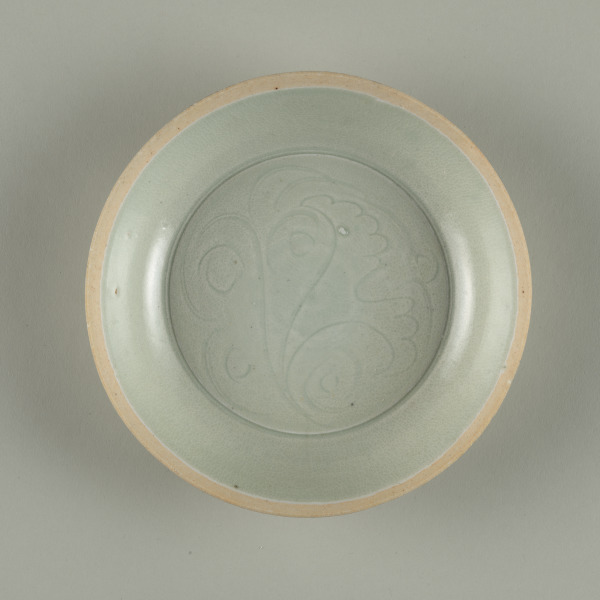
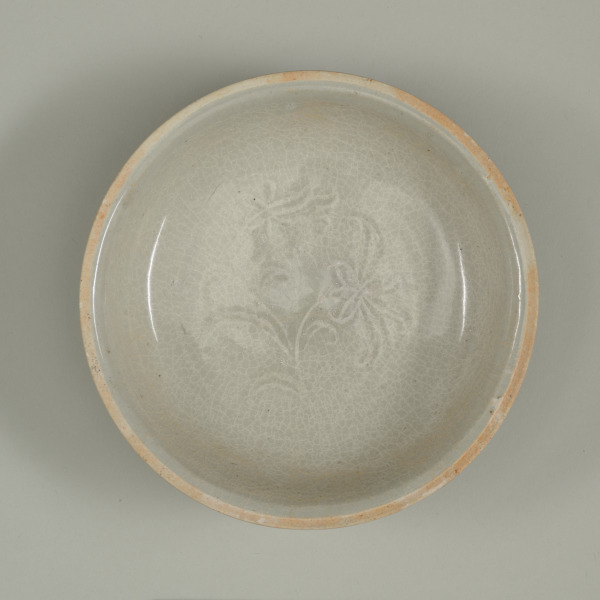
It is generally believed that true (hard-paste) porcelain was first produced in China during the 9th century A.D. By the fusing of two forms of granite—kaolin (china-clay) and petuntse (china-stone)—at 1350º centigrade, the extremely hard, translucent body is formed. Nine hundred years passed before the closely guarded formula was to be duplicated in the West. In the mid-16th century, when the portuguese established trade with China, this porcelain found its way to Europe. Within fifty years the Dutch, French, Spanish, Swedish, and Danish had also ventured into China Trade, and the race was on to supply tea, silk, spices, and porcelains to a Europe fascinated and eager for these exotic goods. The early exported porcelain, mostly decorated in underglaze blue, was of high quality and in traditional Chinese shapes. These forms were popular at first, but during the 18th century the Europeans began requesting adaptations to suit their own tastes—handles were added to cups, for which saucers were now supplied, and plates now came with rims. New, non-Chinese objects were also desired, such as tureens, ice pails, salts, mugs, platters, and barber bowls. The later wares were often of inferior quality in both glaze and design execution to the products the Chinese kept for themselves, but, nevertheless, they were much admired in the West. Decoration, too, took on a Western flavor; prints of all kinds (Biblical, historical, nautical, and scenic) were sent out to China to be copied onto porcelain in overglaze enamels. Enormous sets were often ordered, featuring arms of families, societies, guilds, cities, and the like. During the 18th century, porcelain factories were established in every European country so that, by 1800, the market for imported porcelains was greatly diminished.
Made for the Director of the Meissen Factory, Count von Brühl,
this service numbered over 2,000 pieces.
Maker
Freidrich Eberlein
2000–2000
German, working Saxony with Johann Joachim Kandler
Meet Freidrich →