Boki and Igbo
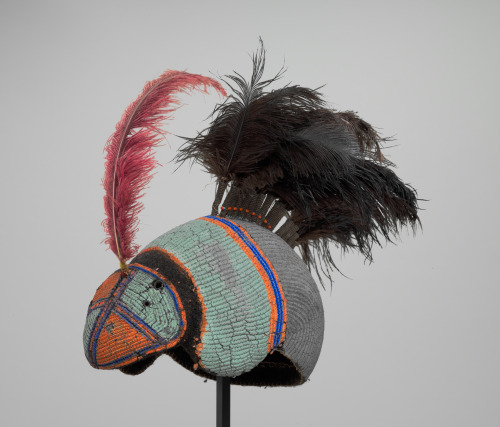
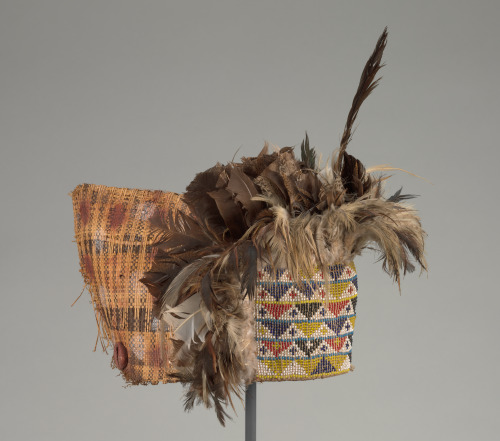
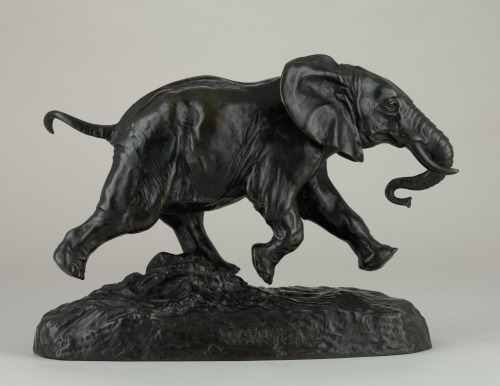
Elephant Headdress
Boki/Igbo (Ndokki/Ngura/Ohuhu subgroup), 1900-1932
Scroll
Physical Qualities
Wood, metal, kaolin, paint, leather/hide, 12 1/2 × 10 13/16 × 8 1/4 in. (31.8 × 27.5 × 21 cm.)
Credit Line
Gift of Barry and Toby T. Hecht, Bethesda, Maryland
Object Number
1988.1416
The twisted nose and mouth on this mask create a grotesque sneer. Although the mask is smooth and the abstracted eyes and lips have a pleasing repetition, the artist deliberately distorted the human face to express the ugliness of an idiok ekpo, or evil soul. Criminals and those struck by serious misfortune in life are seen as the recipients of supernatural punishment, their souls banned from entering the afterlife and cycle of reincarnation. Once a year, the Ekpo society, a men’s organization in charge of public order, hosts a masquerade to appease these violent spirits.
William and Robert Arnett, Atlanta, Georgia
African Reinstallation
Wittmer, Marcilene A., and William Arnett. "Three Rivers of Nigeria: Art of the Lower Niger, Cross and Benue from the Collection of William and Robert Arnett." Atlanta: The High Museum of Art, 1978, pp. 81, ill. 191.