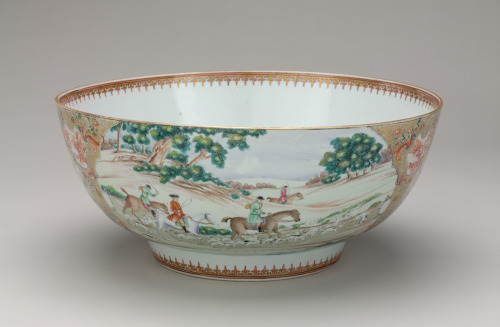
English Market Punch Bowl Decorated with Hunting Scenes - Image 1
English Market Punch Bowl Decorated with Hunting Scenes - Image 2
English Market Punch Bowl Decorated with Hunting Scenes - Image 3
English Market Punch Bowl Decorated with Hunting Scenes - Image 4
English Market Punch Bowl Decorated with Hunting Scenes - Image 5
English Market Punch Bowl Decorated with Hunting Scenes - Image 6
English Market Punch Bowl Decorated with Hunting Scenes - Image 7
English Market Punch Bowl Decorated with Hunting Scenes - Image 8
English Market Punch Bowl Decorated with Hunting Scenes - Image 9
English Market Punch Bowl Decorated with Hunting Scenes - Image 10
English Market Punch Bowl Decorated with Hunting Scenes - Image 11
English Market Punch Bowl Decorated with Hunting Scenes - Image 12
English Market Punch Bowl Decorated with Hunting Scenes - Image 13
English Market Punch Bowl Decorated with Hunting Scenes - Image 14
English Market Punch Bowl Decorated with Hunting Scenes - Image 15
English Market Punch Bowl Decorated with Hunting Scenes - Image 16
English Market Punch Bowl Decorated with Hunting Scenes - Image 17

Jingdezhen kilns and Guangzhou enameling workshops

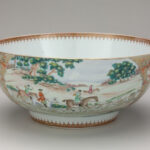
English Market Punch Bowl Decorated with Hunting Scenes

1759-1769
Thumbnail 1
Thumbnail 2
Thumbnail 3
Thumbnail 4
Thumbnail 5
Thumbnail 6
Thumbnail 7
Thumbnail 8
Thumbnail 9
Thumbnail 10
Thumbnail 11
Thumbnail 12
Thumbnail 13
Thumbnail 14
Thumbnail 15
Thumbnail 16
Thumbnail 17
Scroll

English Market Punch Bowl Decorated with Hunting Scenes

1759-1769
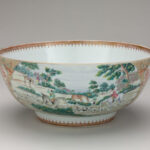
Physical Qualities Porcelain with overglaze enamel and gold decoration, 6 11/16 x 15 5/8 in. (17 x 39.7 cm.)
Credit Line Gift of Angelica Yonge Pearre, Baltimore
Object Number 1983.253
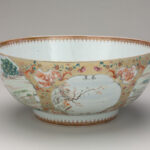
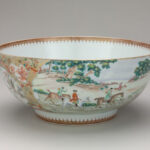
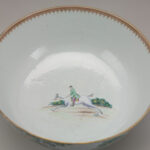
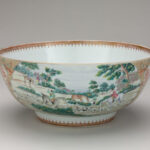
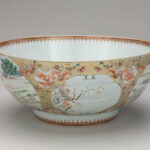
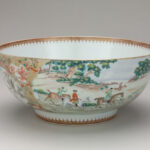
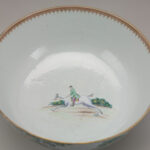
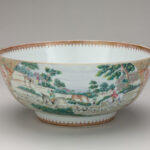
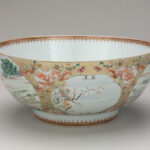
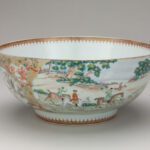
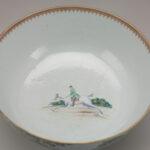
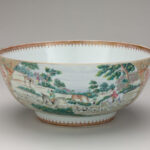
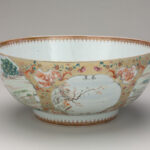
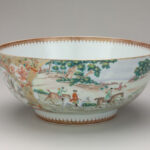
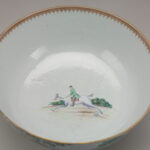
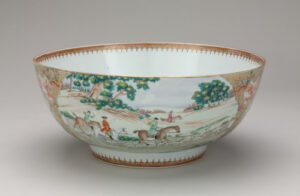
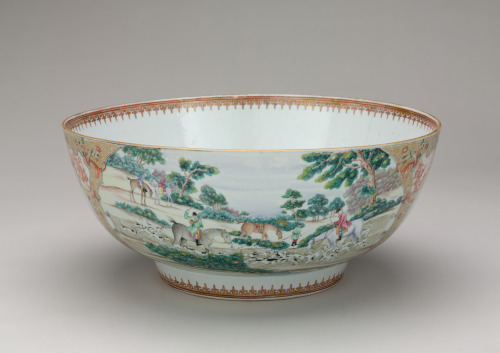
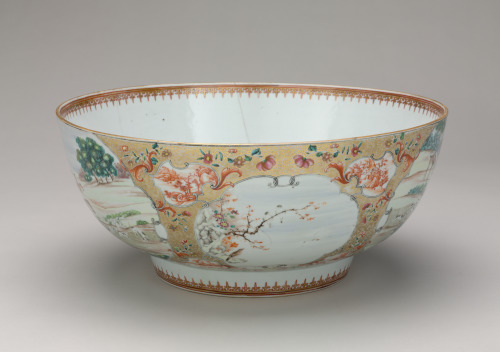
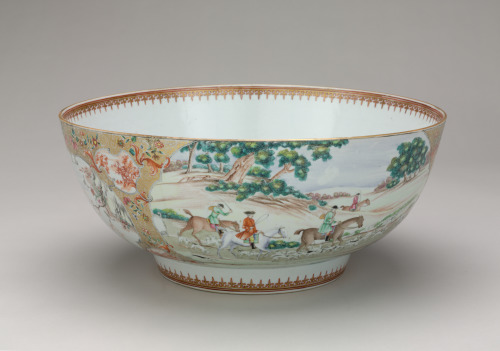
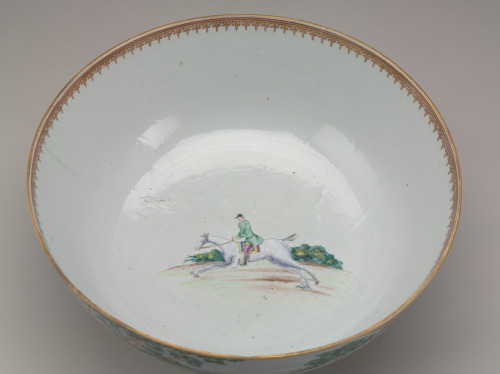
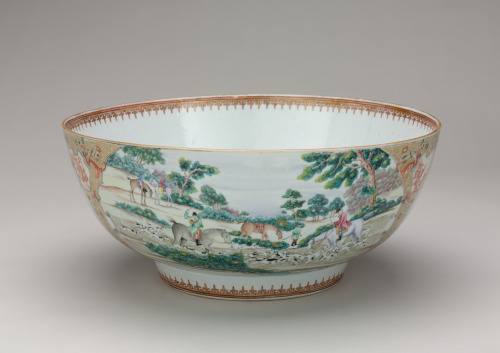
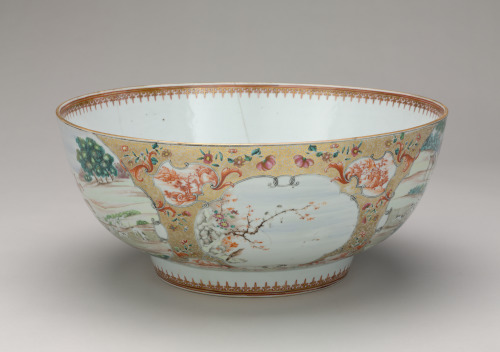
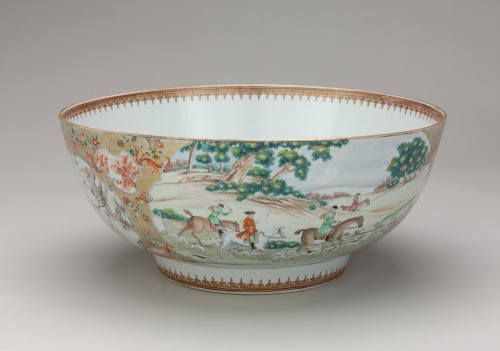
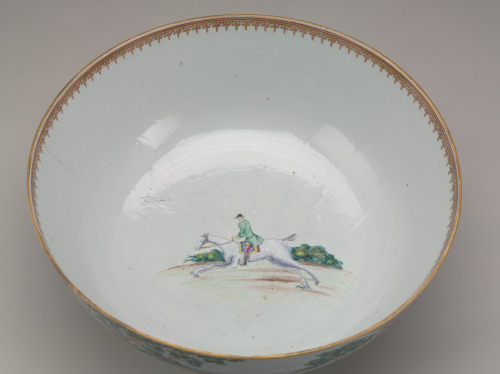
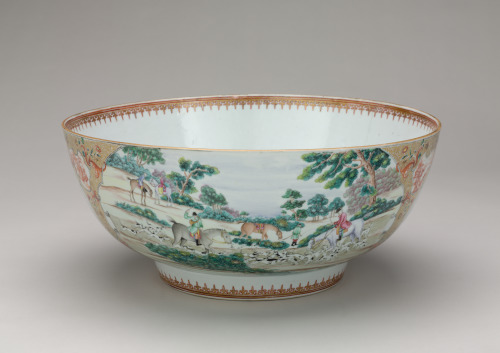
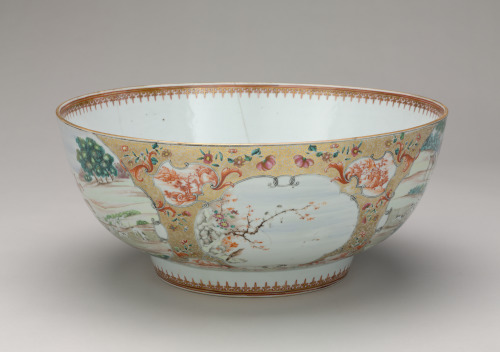
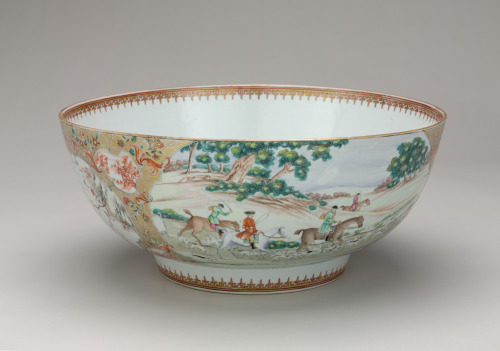
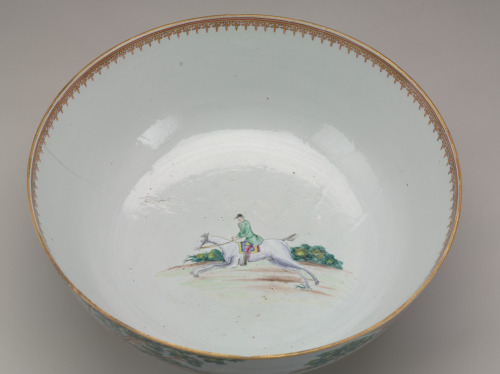
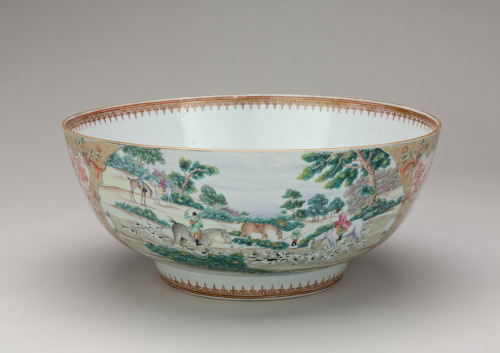
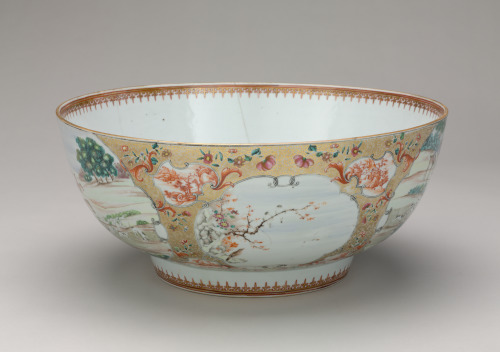
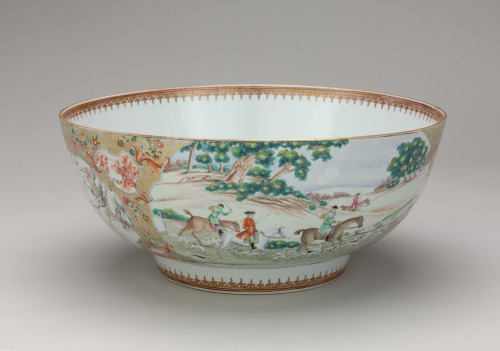
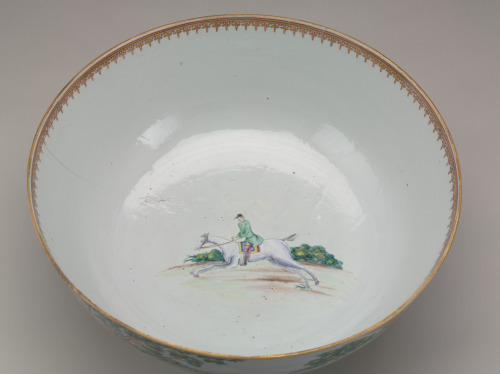
Artists in a Guangzhou workshop copied two English prints of hunting scenes for this bowl’s decoration, adjusting to the tastes and requirements of the English elite. Large bowls used to serve punch, a beverage named from the Hindi paantsch (five) for its five ingredients—spirits, sugar, lemon, water, and tea or spices— became popular in Britain in the 17th century. The drink was brought back from India by English sailors and employees of the British East India Company. The mixture included wine or brandy until the mid-17th century, when rum distilled from Jamaican sugar cane—grown on English plantations with enslaved African labor—became a central ingredient.
Pearre Gallery Reconfiguration & Reinstallation

AMW Reinstallation 2014

American Wing Rotations 2020

[Asian Refresh]

Asian Gallery Rotations 2023

Asian Rotations 2024

Asian Rotations 2025
Baltimore Museum of Art. The Baltimore Museum of Art: Celebrating a Museum. Baltimore: The Baltimore Museum of Art, 2014.

Kiln

Jingdezhen kilns

2000–2000

Meet Jingdezhen →

Decorator

Guangzhou enameling workshops

2000–2000

Jiangxi Province
Meet Guangzhou →

Explore the Collection Further

Jingdezhen kilns
Hot Water Serving Dish Decorated with Orange Fitzhugh Pattern
1789–1839
Low Bowl Engraved with Hunting Scenes
1800–1899
Jingdezhen kilns
Meat Platter Decorated with Orange Fitzhugh Pattern
1789–1839
Dutch Market Tea Bowl and Saucer Decorated with a European Man and his Dog
1729–1738
Jingdezhen kilns
Small Platter Decorated with Orange Fitzhugh Pattern
1789–1839
Jingdezhen kilns
Shallow Bowl Decorated with Orange Fitzhugh Pattern
1789–1839
Jingdezhen kilns
Large Platter Decorated with Orange Fitzhugh Pattern
1789–1839
Jingdezhen kilns
Bowl Decorated with Fitzhugh Pattern
1789–1839
Jingdezhen kilns
Covered Serving Dish Decorated with Orange Fitzhugh Pattern
1789–1839
Jingdezhen kilns
Bowl Decorated with Fitzhugh Pattern
1789–1839
Jingdezhen kilns
Covered Serving Dish Decorated with Orange Fitzhugh Pattern
1789–1839
Jingdezhen kilns
Dutch Market Plate Decorated with a Foreign Couple Walking in a Garden
1719–1729