Mossi
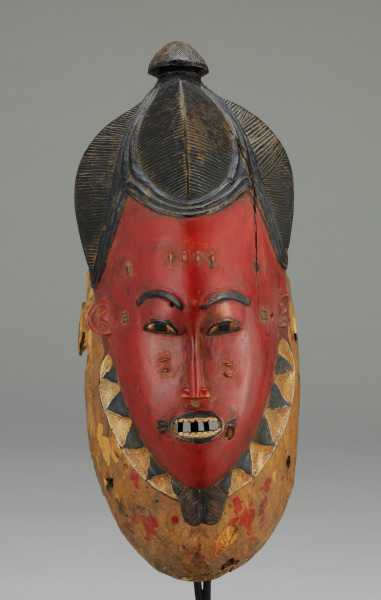
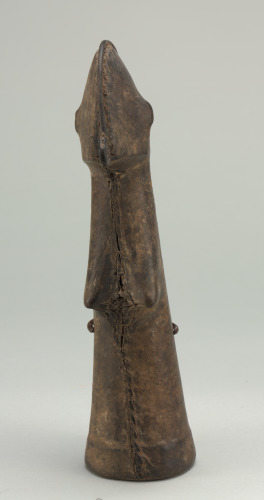
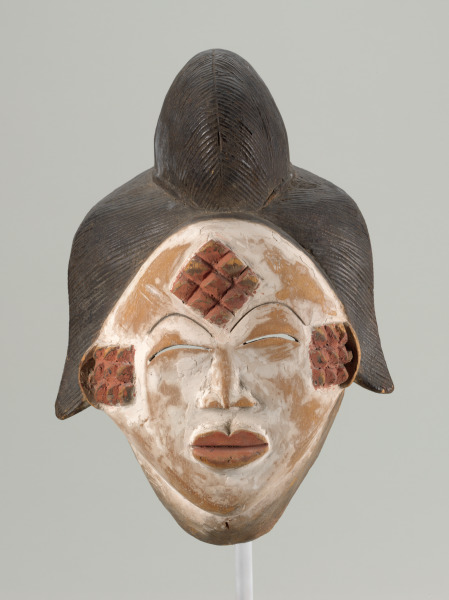
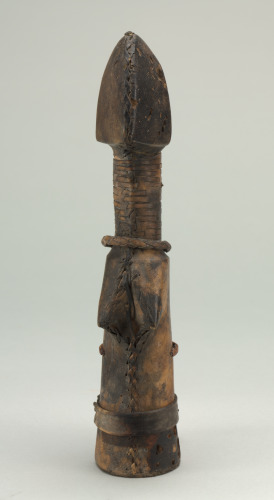
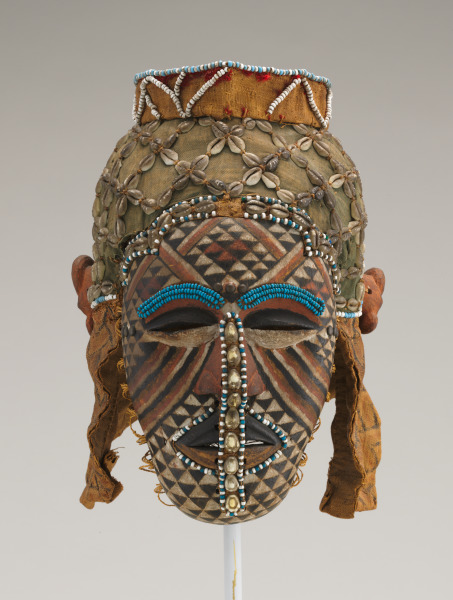
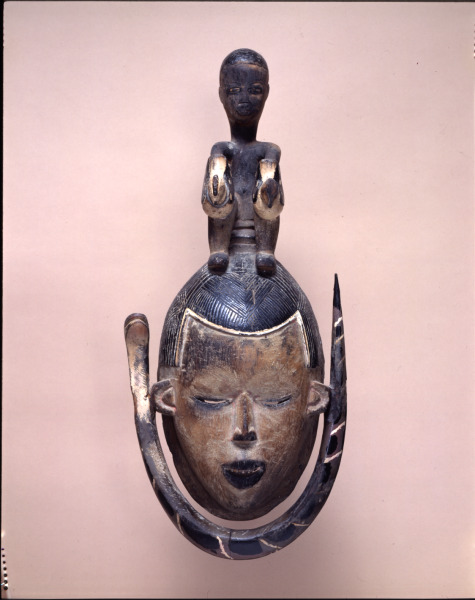
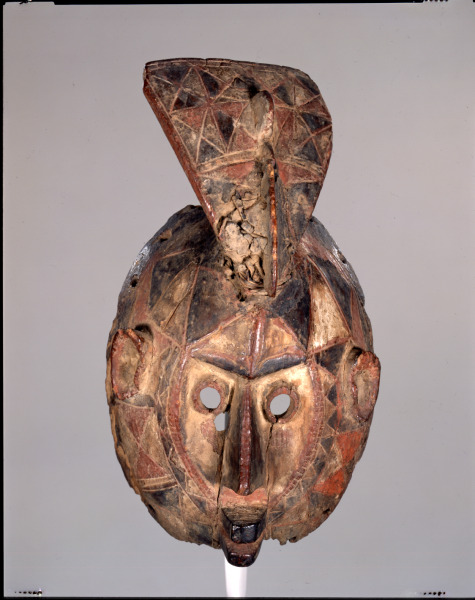
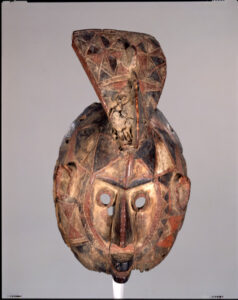
Female Mask (Wan-Balinga)
Mossi, 1867-1899
Scroll
Mossi
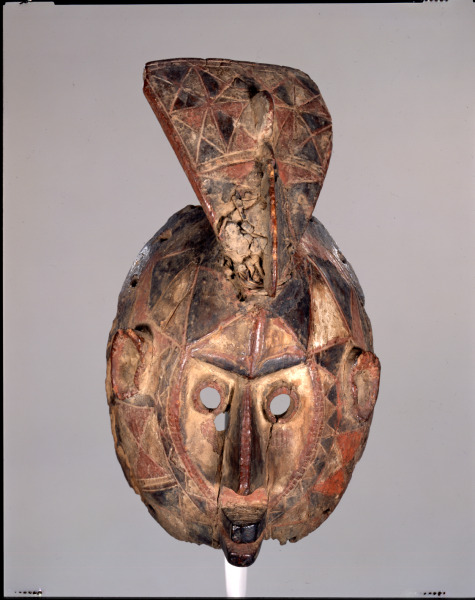
Female Mask (Wan-Balinga)
Mossi, 1867-1899
Physical Qualities
Wood, hide, pigment, 11 1/4 x 6 1/2 x 5 7/8 in. (28.6 x 16.5 x 15 cm.)
Credit Line
Friends of Art Fund
Object Number
1974.38
Wurtzburger permanent gallery label text (02.27.13):
Mossi masks are owned by a clan and appear at burials, at funerals, and at agricultural ceremonies. Sacrifices to the ancestors are made to the mask by members of the clan. The female mask, just as the more common animal masks, would have been worn over the face of a male dancer, who raffia costume covers his entire body. The dance is energetic and responsive to the adulation of the crowd.
Frederick John Lamp, "See the Music Hear the Dance: Rethinking African Art at the Baltimore Museum of Art." New York: Prestel, 2003, p.29, ill.