Figurative Pipe - Image 1
Figurative Pipe - Image 2
Figurative Pipe - Image 3
Figurative Pipe - Image 4
Figurative Pipe - Image 5
Figurative Pipe - Image 6
Figurative Pipe - Image 7

Luluwa and Luntu

Figurative Pipe

Lulua, 1900-1932
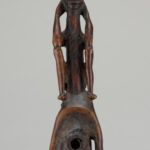
Thumbnail 1
Thumbnail 2
Thumbnail 3
Thumbnail 4
Thumbnail 5
Thumbnail 6
Thumbnail 7
Scroll

Figurative Pipe

Lulua, 1900-1932
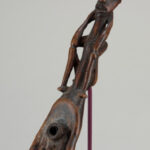
Physical Qualities Wood, iron, 13 1/2 x 2 15/16 x 2 9/16 in. (34.3 x 7.5 x 6.5 cm.)
Credit Line Gift of Alan Wurtzburger
Object Number 1954.145.84
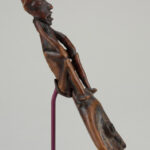
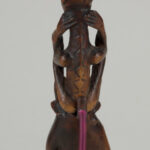
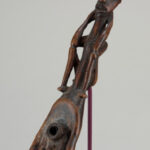
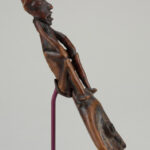
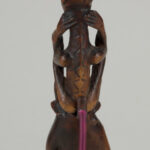
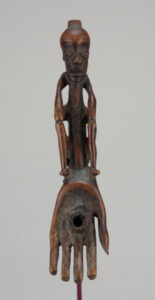
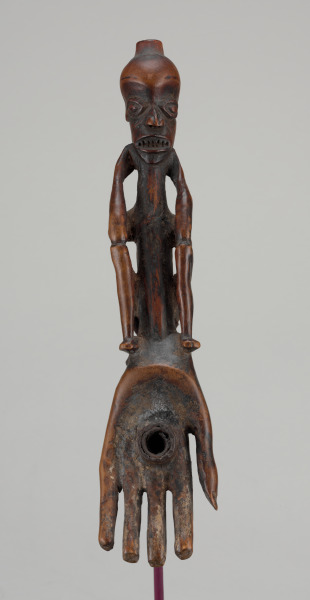
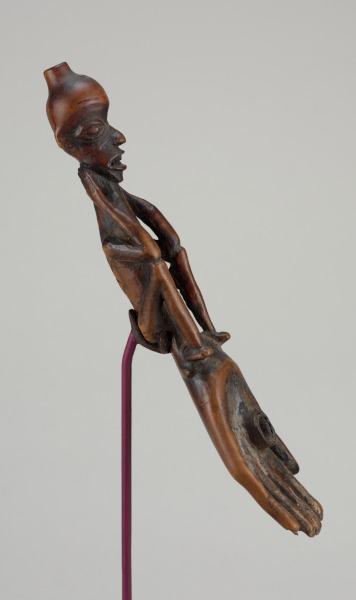
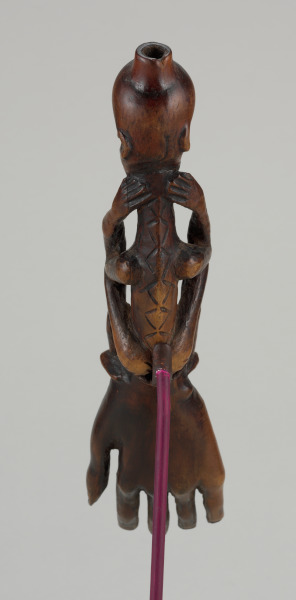
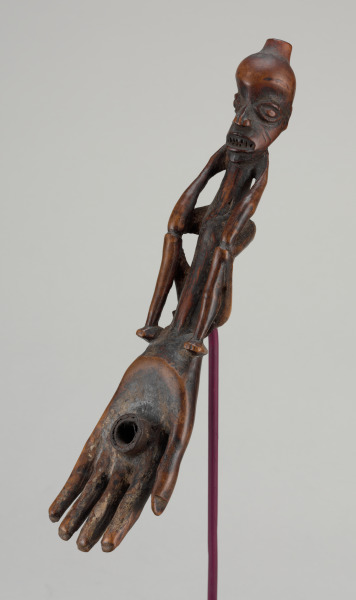
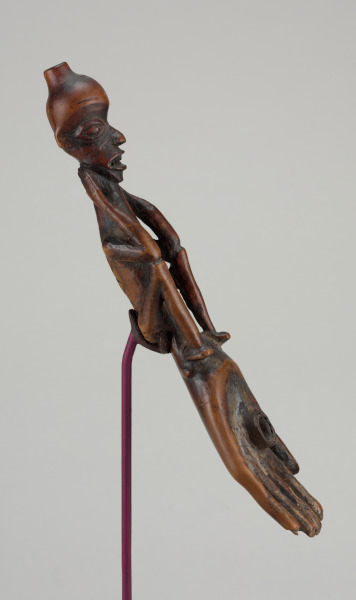
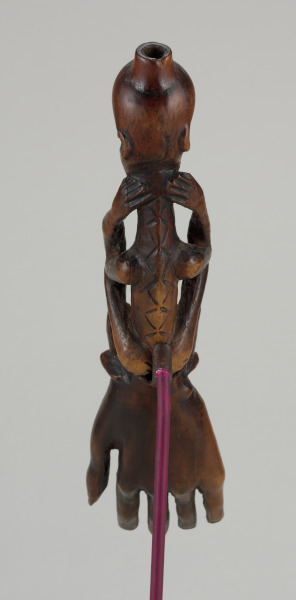
Decorative pipes, found all over Africa, are usually the property of kings, chiefs, and other notable persons, both male and female. Since the 16th century, when the tobacco plant was first imported from the Americas, the act of smoking has been usually a private practice without ceremony. But the public display of figurative pipes as prestigious art objects is common on state occasions and has fully entered the ritual tradition. Here, the hand, symbol of power, suggests a ritual association.
Hand Held: Personal Arts from Africa

Adelyn Breeskin: Curating a Legacy
Frederick John Lamp, "See the Music Hear the Dance: Rethinking African Art at the Baltimore Museum of Art." New York: Prestel, 2003, p.238, ill.


Culture

Luluwa

2000–2000

Meet Luluwa →

Culture

Luntu

2000–2000

Meet Luntu →

Explore the Collection Further

Luluwa
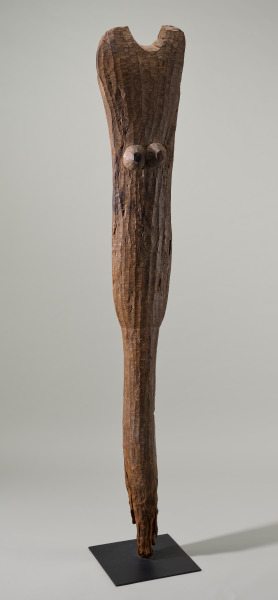
Standing Male Figure
1900–1966
Teke
Figurative Tobacco Pipe
1867–1899
Luluwa
Female Figure (Bwanga bwa Bwimpe)
1919–1938
Unknown
Figurative Pipe
1900–1932
Luluwa
Tobacco Mortar
1900–1999
Nyamwezi
Figurative Housepost
1899–1965
Luluwa
Standing Female Figure
1900–1932
Boris Savelev
Pipe, St. Petersberg
1981
Luluwa
Standing Female Figure
1900–1932
Balthasar Anton Dunker
Girl playing bagpipes, boy playing with dog, sheep
1759–1771
Luluwa
Standing Male Figure
1900–1932
Frederic, Lord Leighton
Youth Teaching a Young Girl to Play on the Pan Pipes
1866