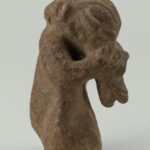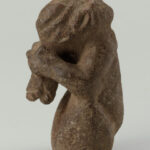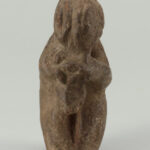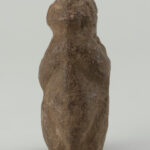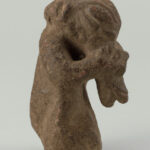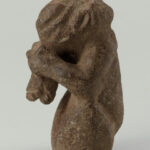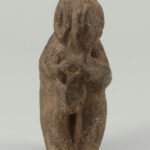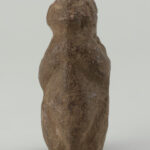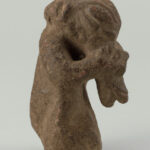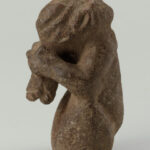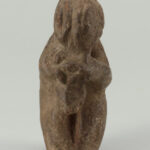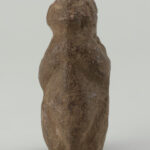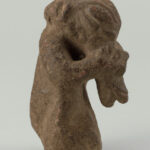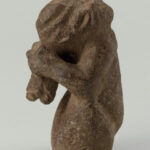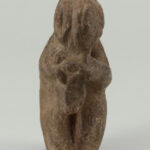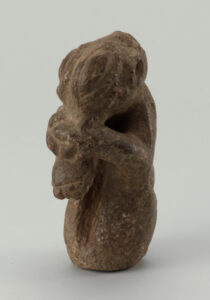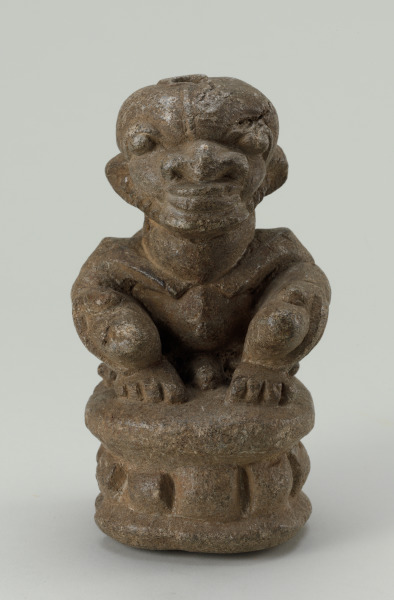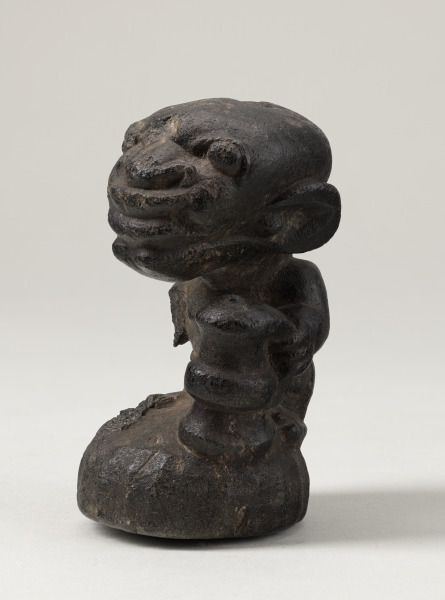
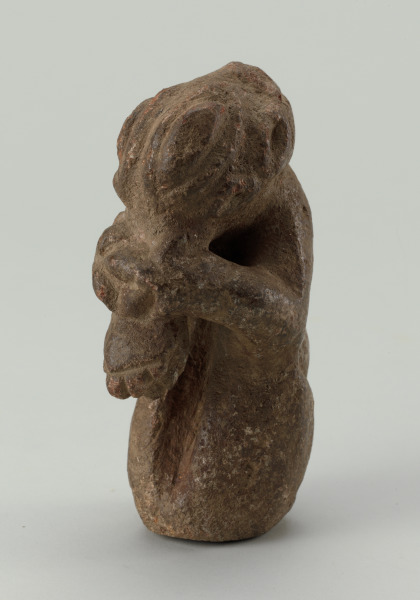
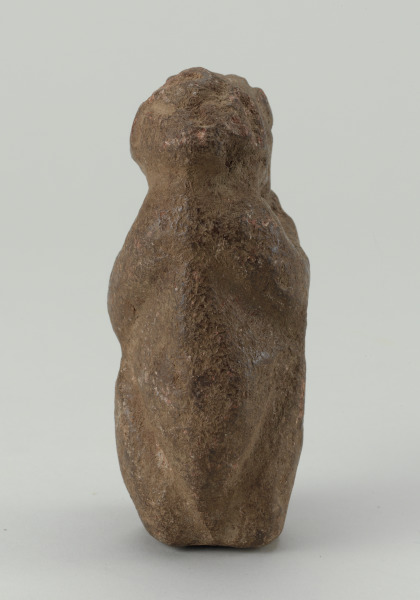
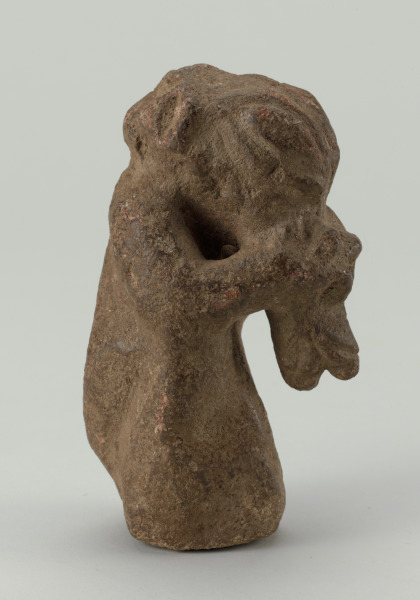
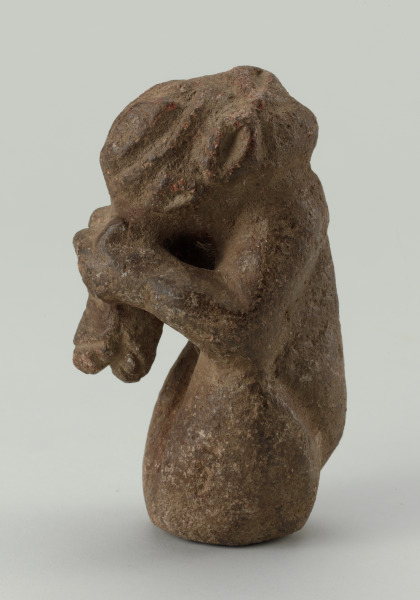
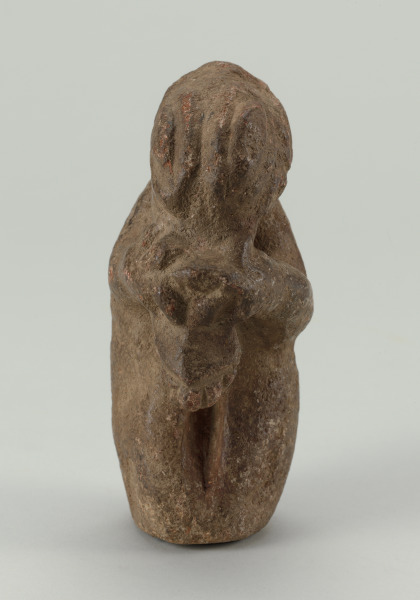
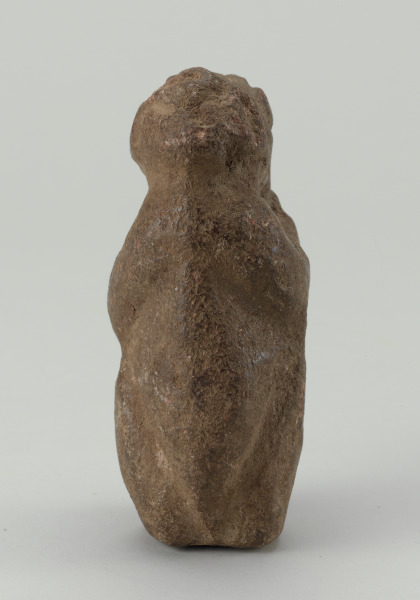
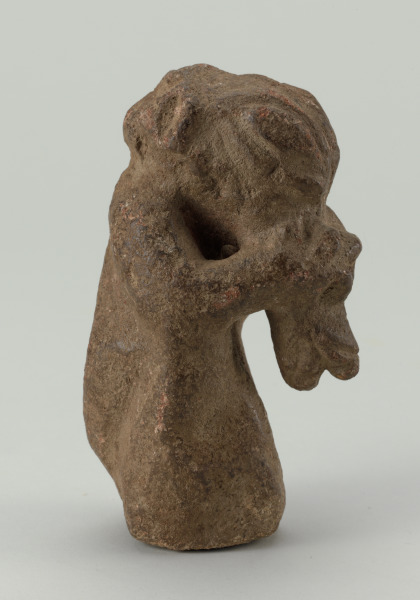
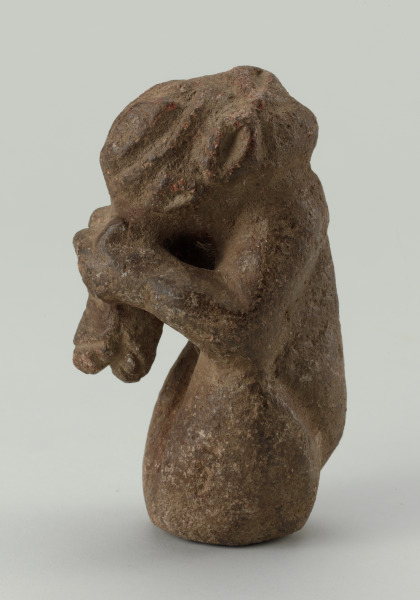
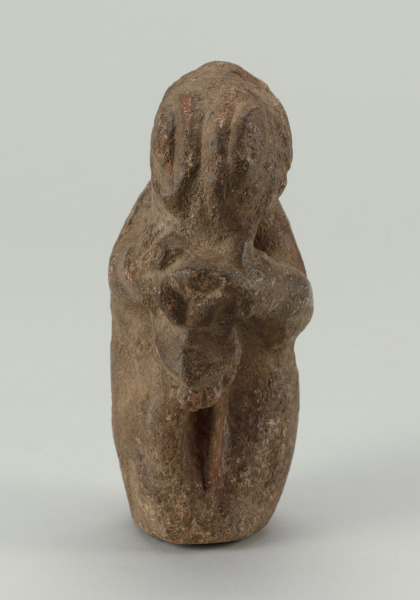
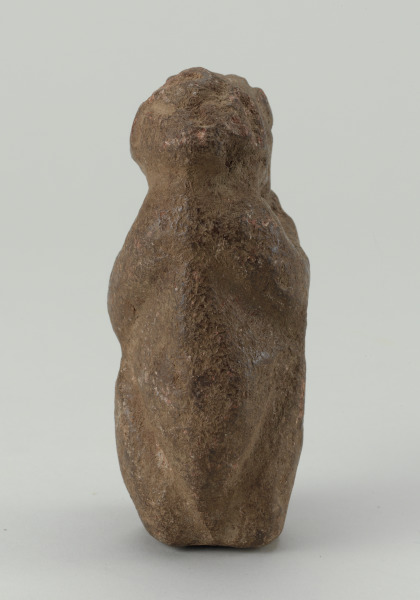
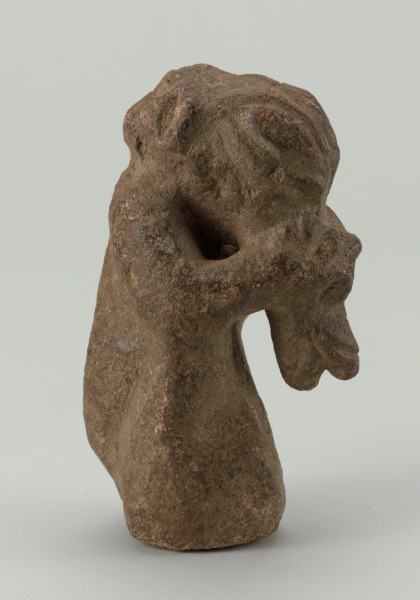
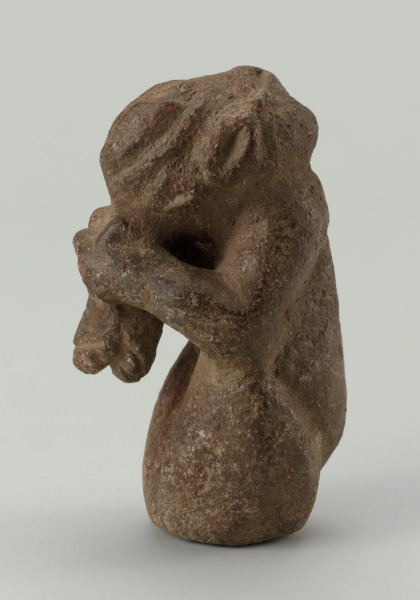
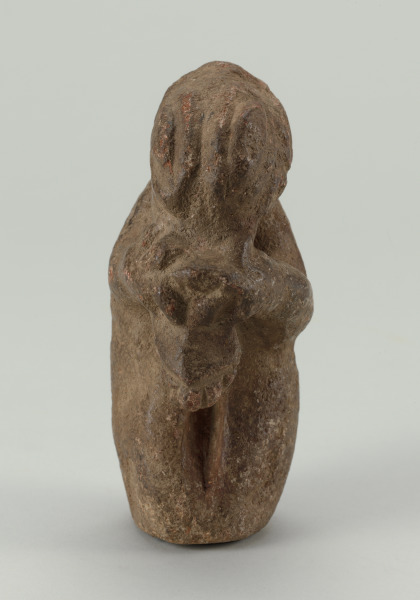
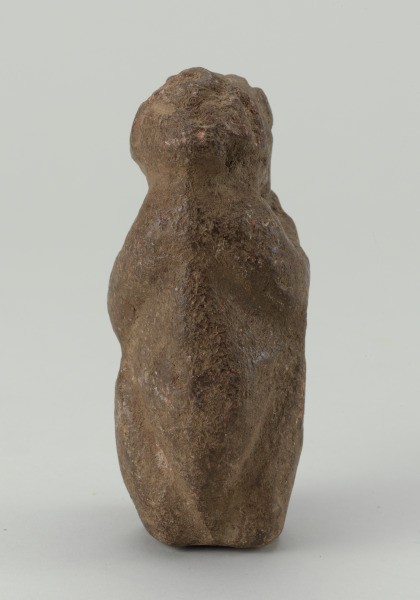
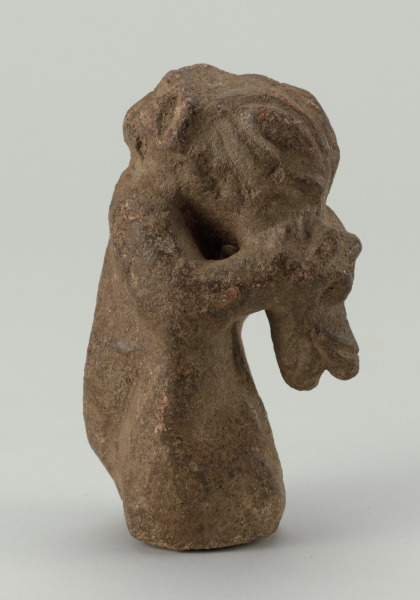
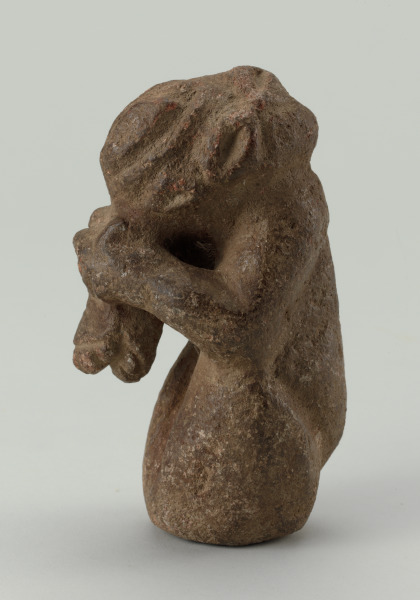
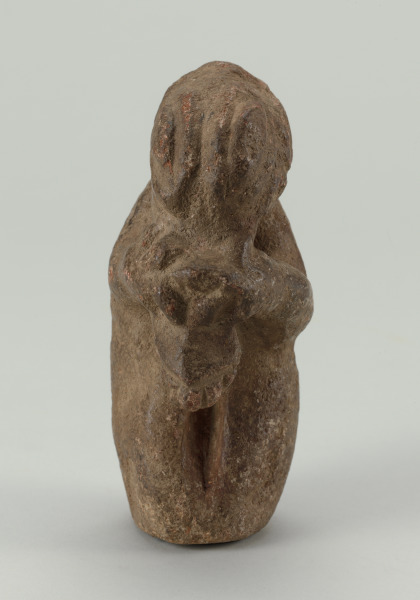
Figure of a Crocodile Holding its Snout - Image 1
Figure of a Crocodile Holding its Snout - Image 2
Figure of a Crocodile Holding its Snout - Image 3
Figure of a Crocodile Holding its Snout - Image 4
Figure of a Crocodile Holding its Snout - Image 5
Figure of a Crocodile Holding its Snout - Image 6
Figure of a Crocodile Holding its Snout - Image 7
Figure of a Crocodile Holding its Snout - Image 8
Figure of a Crocodile Holding its Snout - Image 9
Figure of a Crocodile Holding its Snout - Image 10
Figure of a Crocodile Holding its Snout - Image 11
Figure of a Crocodile Holding its Snout - Image 12
Figure of a Crocodile Holding its Snout - Image 13
Figure of a Crocodile Holding its Snout - Image 14
Figure of a Crocodile Holding its Snout - Image 15
Figure of a Crocodile Holding its Snout - Image 16
Figure of a Crocodile Holding its Snout - Image 17

Sapi and Kissi

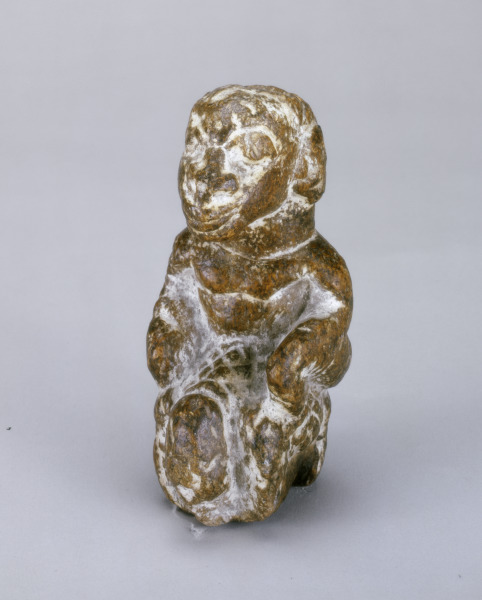
Figure of a Crocodile Holding its Snout

Sapi/Kissi, 1800-1899
Thumbnail 1
Thumbnail 2
Thumbnail 3
Thumbnail 4
Thumbnail 5
Thumbnail 6
Thumbnail 7
Thumbnail 8
Thumbnail 9
Thumbnail 10
Thumbnail 11
Thumbnail 12
Thumbnail 13
Thumbnail 14
Thumbnail 15
Thumbnail 16
Thumbnail 17
Scroll

Figure of a Crocodile Holding its Snout

Sapi/Kissi, 1800-1899
Physical Qualities Stone, 5 7/16 × 2 1/8 × 3 1/16 in. (13.8 × 5.4 × 7.7 cm.)
Credit Line Gift of Aaron and Joanie Young, Baltimore
Object Number 1991.139
In the 16th century, European traders admired and collected ivory sculptures carved by Sapi artists on the coast of Guinea. In the same period, Sapi artists also carved soft soapstone into small figures. Farmers and miners living on the Guinea coast today have found many of these stone sculptures, but their original use is unclear. The Temne, who consider the Sapi their ancestors, use stone to commemorate important citizens. Although the original meaning of these evocative sculptures is unknown, their subjects—the geometric faces of the smiling man and woman holding bowls, and the soft curves of the crocodile holding his snout—spark the imagination.
African Reinstallation
Lamp, Frederick John. "Ancestors in Search of Descendants: Stone Effigies of the Ancient Sapi." Bayside, New York: QCC Art Gallery Press, 2018. p. 71-72,
Culture

Sapi

2000–2000

Meet Sapi →

Culture

Kissi

2000–2000

Meet Kissi →

Explore the Collection Further

Sapi
Male Figure Riding an Elephant
1400–1548
Jean-Jacques Grandville [Jean-Ignace-Isidore Gérard]
[Figure with long hair, wearing a dresssing gown, holding a wreath and quill]
2000
Sapi
Seated Male Figure
1500–1599
Jan de Bisschop
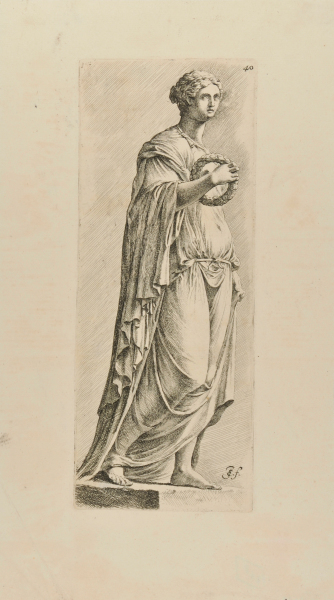
Draped Female Figure Holding a Wreath Turned to Right
1662–1672
Sapi
Male Figure (Nomoli)
1399–1599
Jan de Bisschop and Daniele da Volterra
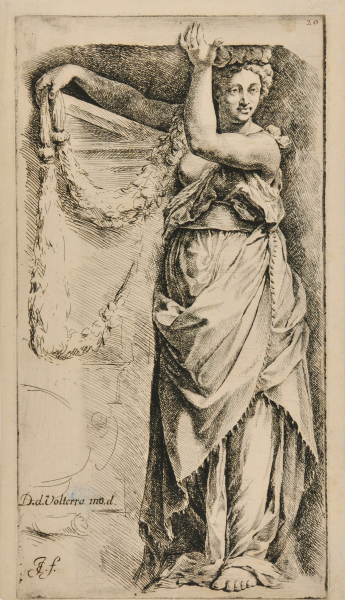
Female Figure Holding a Garland
1664–1674
Sapi
Seated Male and Female Couple
1500–1548
Francisque Saint-Etienne
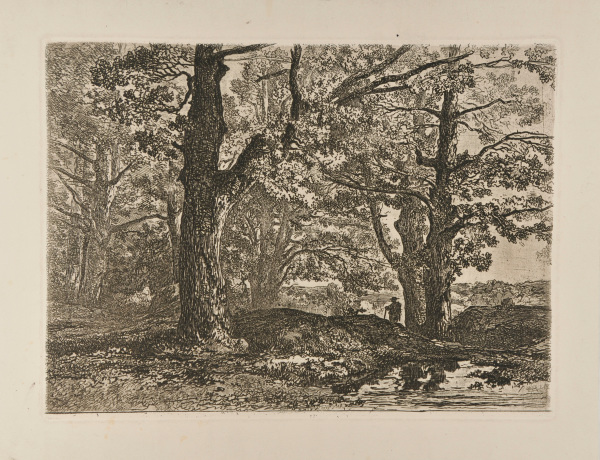
Landscape: Forest with Figure Holding Walking Stick
1843–1884
Sapi
Male Figure Holding a Tankard
1499–1599
Adolphe Hervier
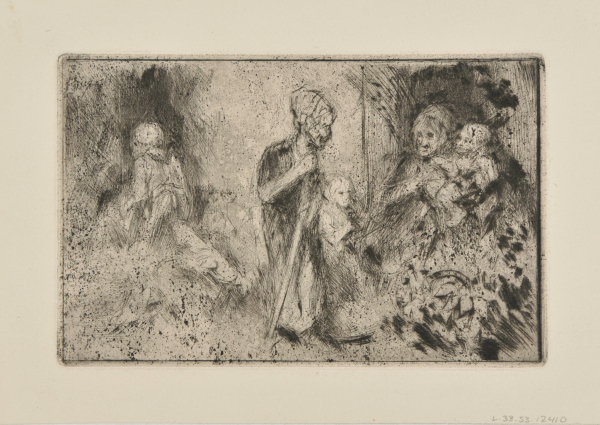
Sketch Plate with Figure Holding a Walking Stick and a Woman Holding a Baby
1836–1878
Sapi
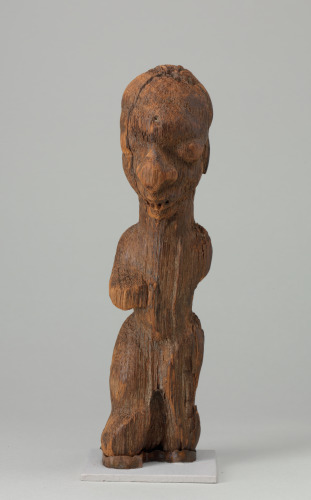
Male Figure
1189–1393
Antonio Seiquer
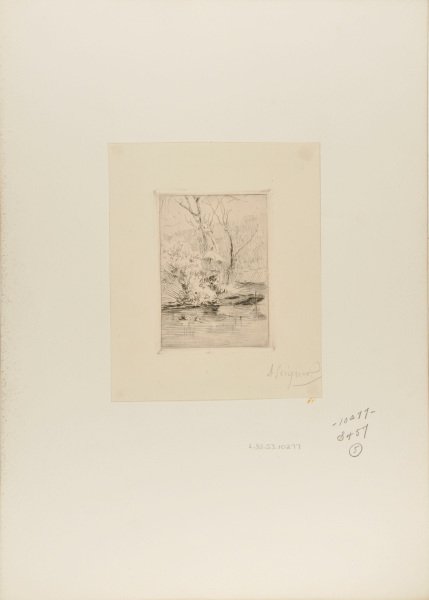
Figure holding an umbrella, sitting by the river
2000