
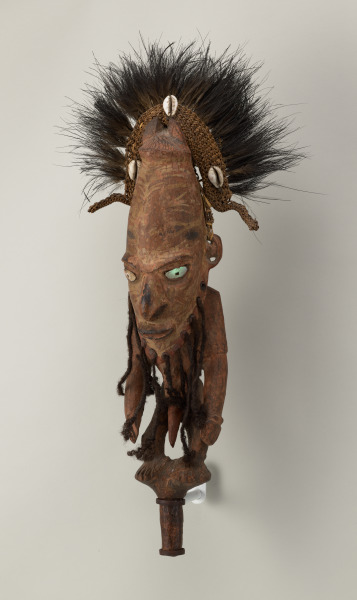
Biwat
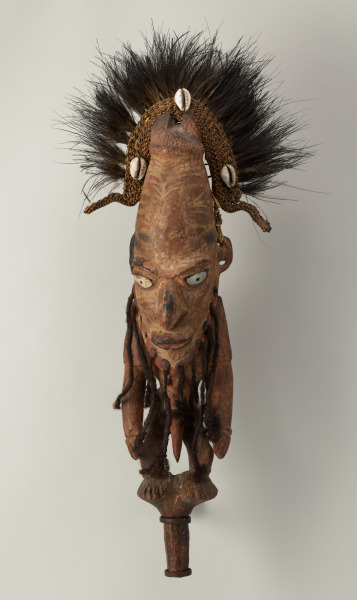
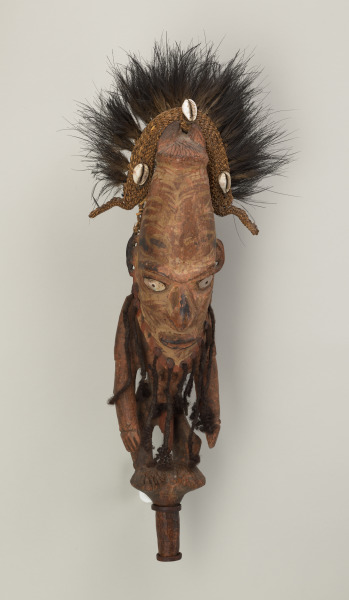
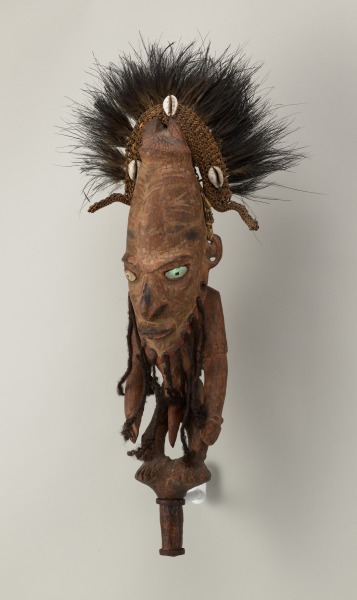
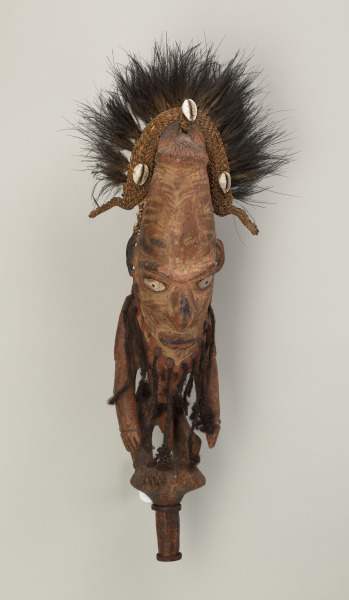
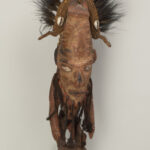
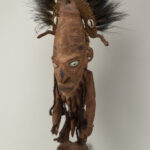
Flute Stopper
Biwat, 1800-1899
Scroll
Biwat
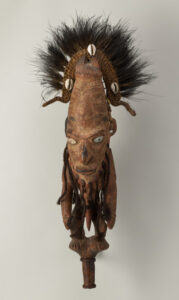
Flute Stopper
Biwat, 1800-1899
Physical Qualities
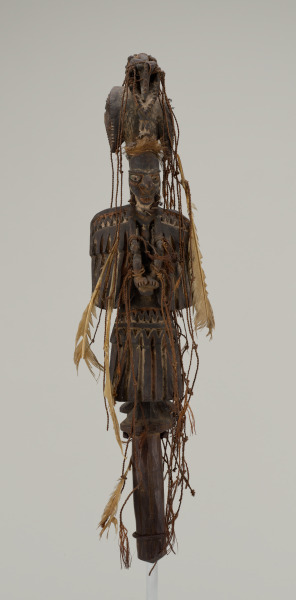
Wood, cowrie shells, plant fiber, cassowary feathers, human hair, paint, mother-of-pearl shell, 26 3/4 x 12 5/8 x 6 11/16 in. (68 x 32 x 17 cm.)
Credit Line
Gift of Alan Wurtzburger
Object Number
1955.251.36
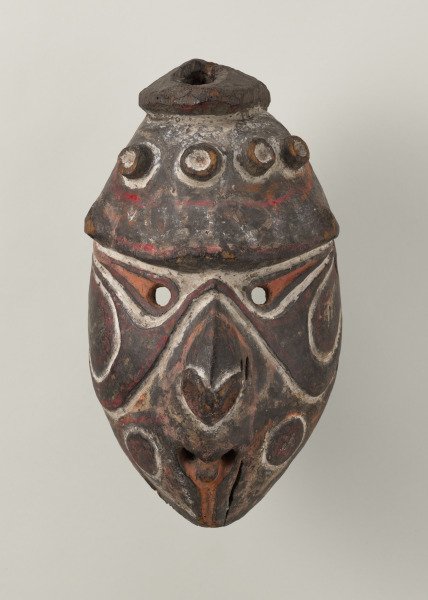
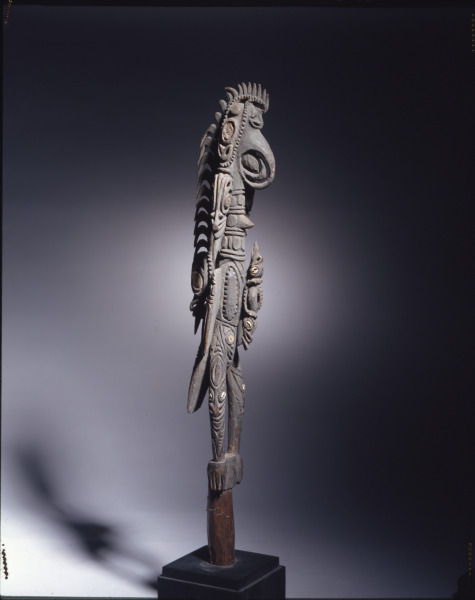
This large and imposing figure once sealed the opening of a shell-encrusted bamboo flute created and used along the Yuat River in today’s Papua New Guinea. These flutes and their stoppers used to play a starring role in male initiation ceremonies associated with crocodile spirits. However, by the end of the 1930s, Christian missionary activity had brought these ceremonies—and their associated artistic commissions—to a halt. Today, Biwat communities frequently refuse to speak to outsiders about historic artworks like these. As such, little is known about the symbolism, meaning, or creation of these works.
The Baltimore Museum of Art by gift, 1955; Alan Wurtzburger
Wurtzburger Traveling
Oceanic Gallery Rotations 2021
Oceanic Gallery Rotations 2022
Oceanic Gallery Rotations 2023
Oceanic Wing Rotations 2025
The Baltimore Museum of Art. "A Picture Book." The Baltimore Museum of Art Record, 1955: ill. p. 92.
'The Alan Wurtzburger Collection of Oceanic Art,' The Baltimore Museum of Art, Jan. 7-Mar. 4, 1956; Cat. 36, illus. p. 9.
S. Kooijman, 'The Art of Lake Sentani,' The Museum of Primitive Art, N.Y., Autumn 1959; repro. p. 19.
K.R. Greenfield, 'The Museum: Its First Half Century,' 'Annual I,' BMA 1966, repro. p. 87.
Peter Gathercole, Adrienne L. Kaeppler, and Douglas Newton, 'The Art of the Pacific Islands,' National Gallery of Art, Washington D.C., July 1-October 14 1979; Cat. 22.15, illus. p. 301.
Kevin Tervala, "Oceanic Art at The Baltimore Museum of Art," Tribal Arts Magazine 104 (Summer 2022): 106-113. Illustrated on pg. 111.
 On View at the BMA