Unknown builder/architect
Haberdeventure Parlor
1767-1777
Scroll
Unknown builder/architect
Haberdeventure Parlor
1767-1777
Physical Qualities
Yellow pine, paint, metal, glass, 124 x 267 x 222 in. (315 x 678.2 x 563.9 cm.)
Credit Line
Special Baltimore City Purchase Fund
Object Number
1928.17.1
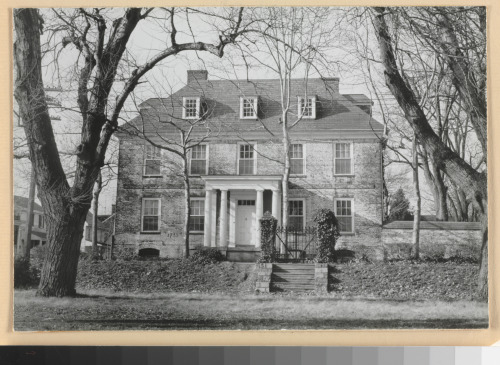
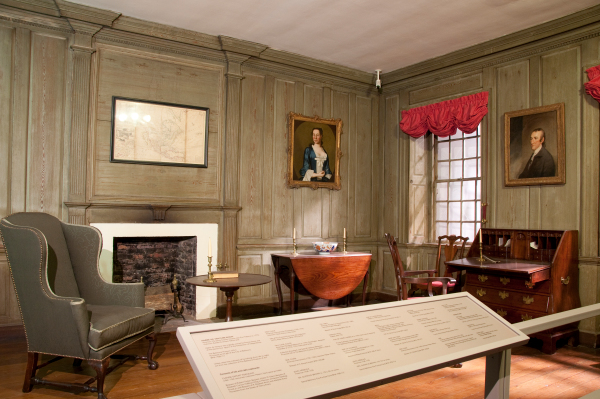
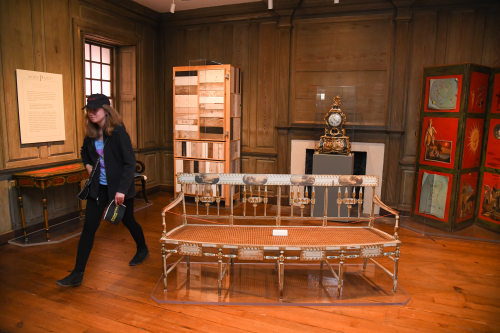
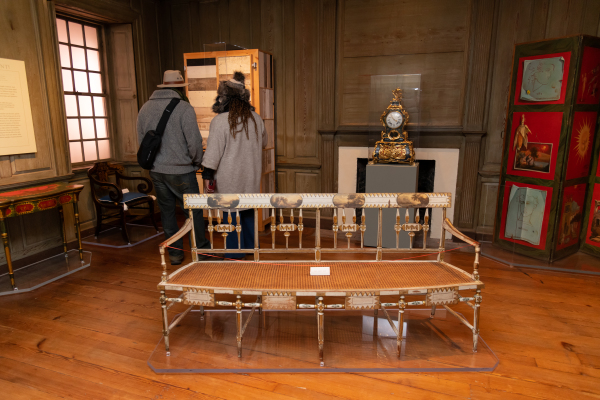
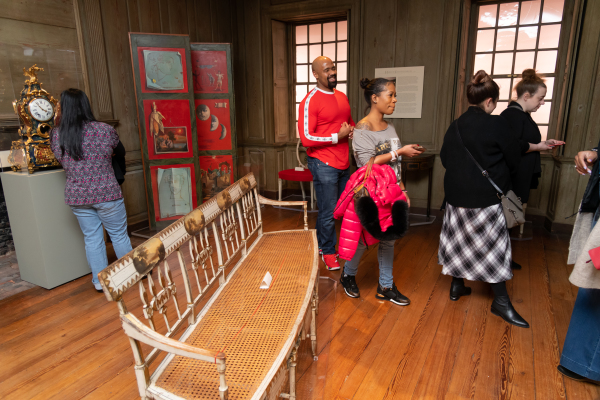
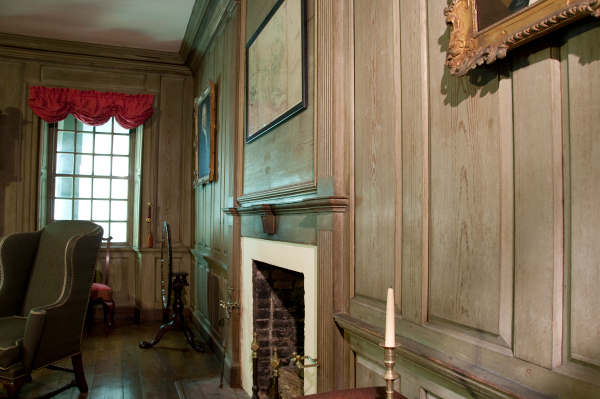
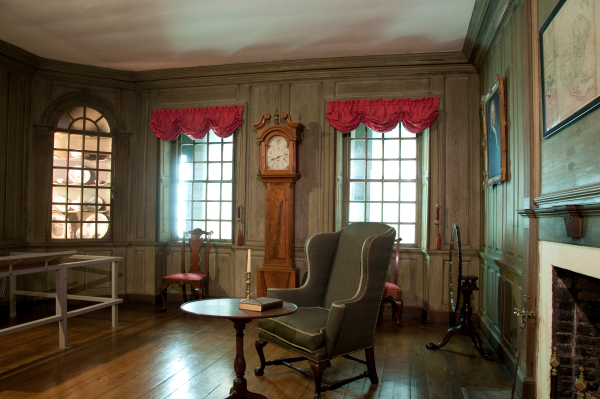
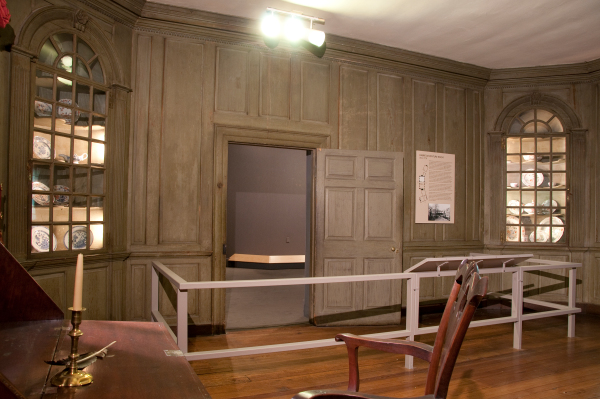
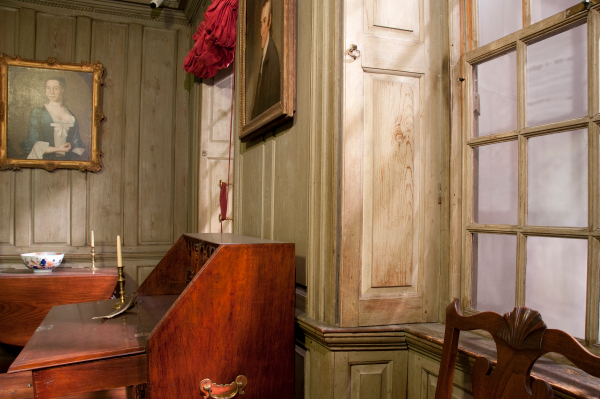
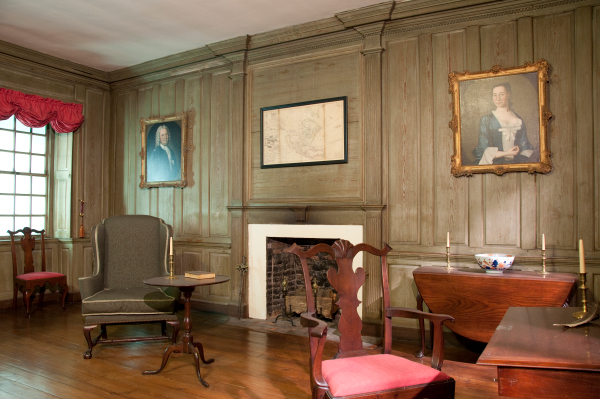
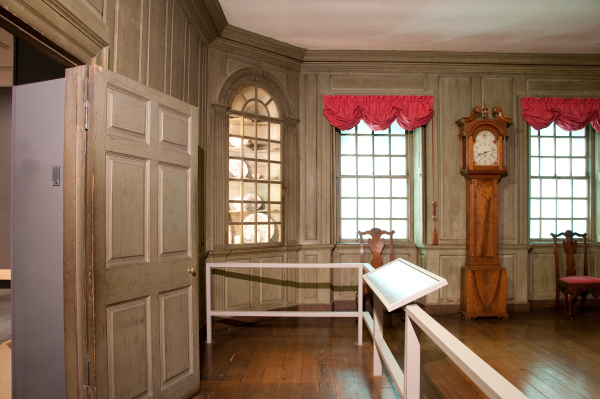
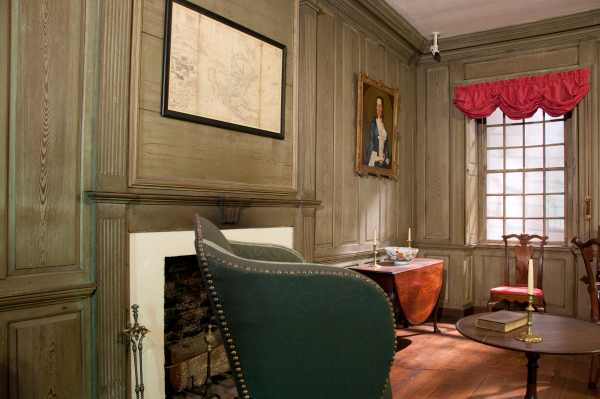
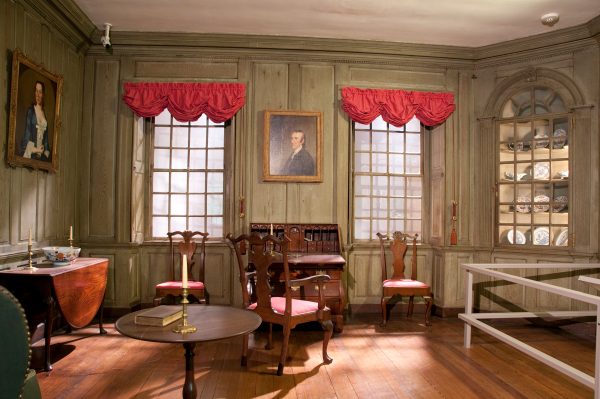
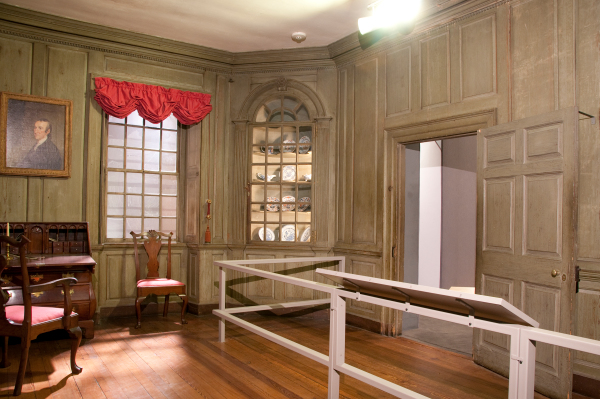
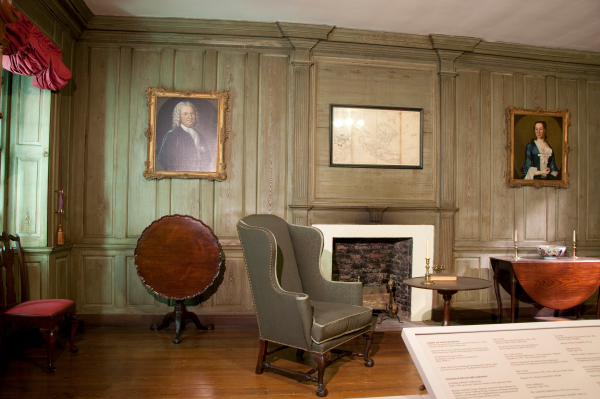
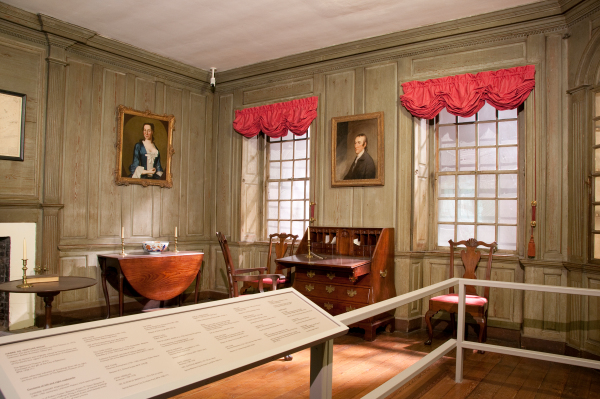
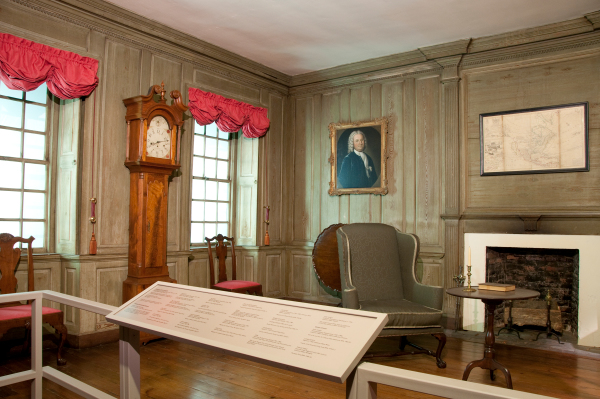
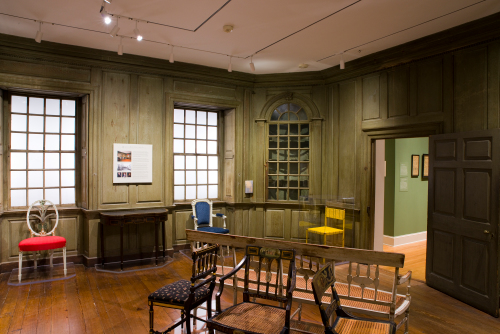
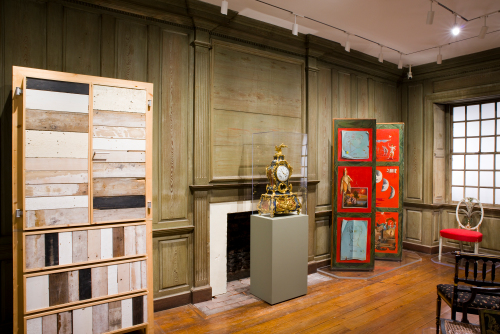
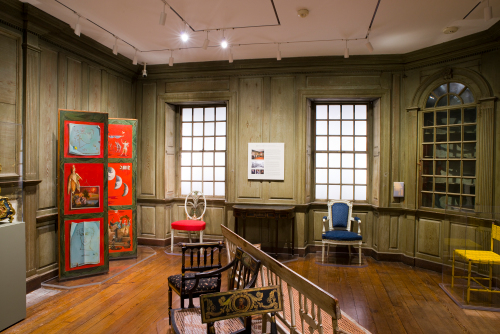
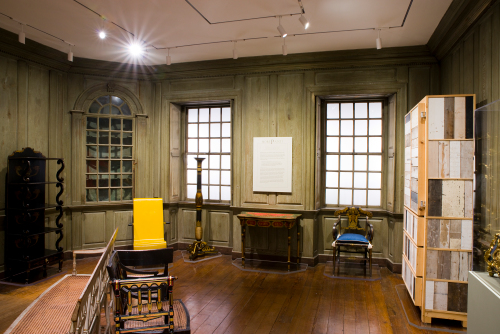
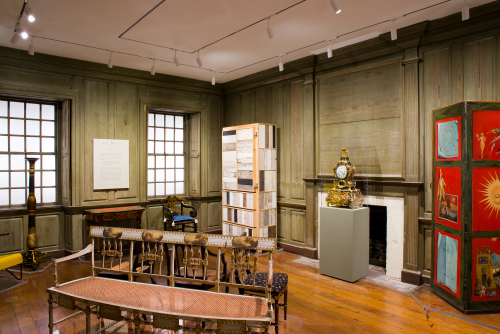
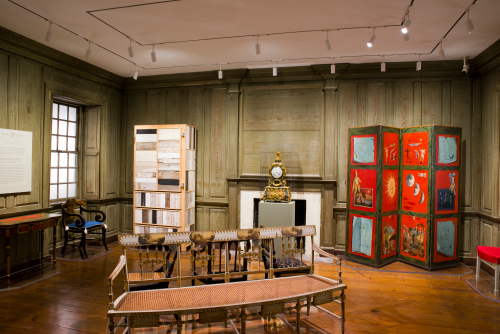
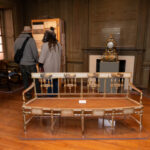
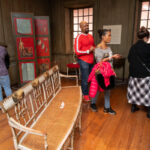
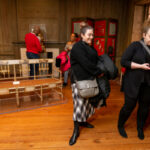
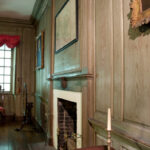
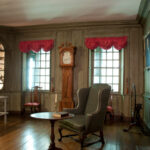
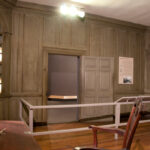
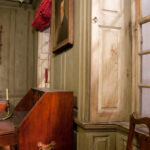
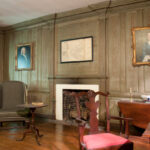
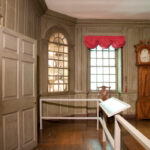
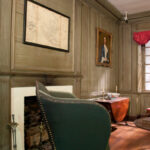
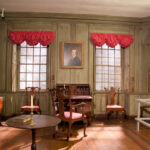
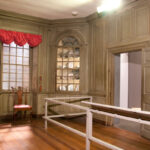
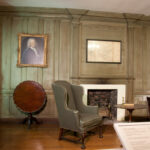
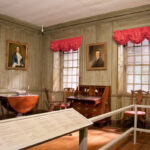
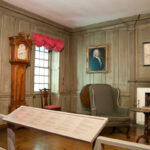
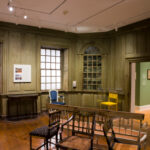
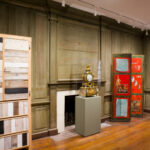
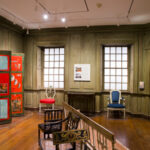
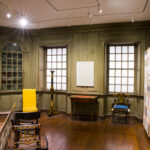
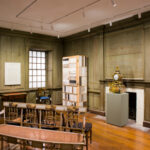
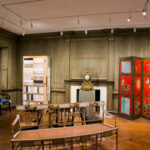
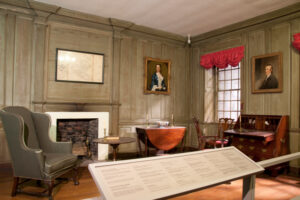
The walls, windows, mantel, cupboards, and doorway in this room were relocated to the Baltimore Museum of Art from Haberdeventure, a plantation near Port Tobacco, Maryland, once owned by Thomas Stone (1743–1787), a signer of the Declaration of Independence. This room was part of the owner’s house, which was constructed between 1770 and 1773 with the labor of enslaved African workers. Strikingly, this relocated space still has its first and only coat of paint from the 1770s, likely applied by enslaved people.
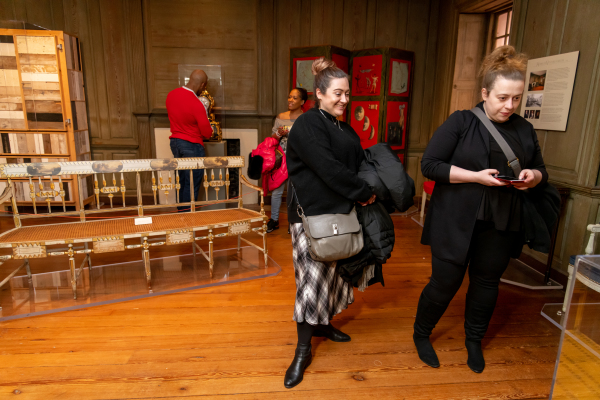
Within this room, the Museum previously displayed the type of art collected by the white, estateowning family who reclined on couches, wrote letters, played games, hosted guests, presented their china and silver in the corner cupboards, and dined here. Today, this space recognizes that through the windows, out of sight, were the households of enslaved and indentured people who lived and worked at Haberdeventure. Of the twenty-five known people enslaved by Stone at Haberdeventure in the 18th century, eight self-emancipated—obtained freedom—through either escape or legal petition. Even so, the
practice of enslavement continued at the plantation until the legal end of slavery in the United States in 1865. The reinstallation of Haberdeventure Parlor was supported by The Terra Foundation for American Art.
Clare Thomas was a multiracial, enslaved woman who lived at Haberdeventure with four of her six daughters. Thomas descended from Elizabeth Thomas (born before 1670), a white immigrant from Wales, and Joseph Mingo (born 17th century), an enslaved, Black man. At Haberdeventure, she likely lived in a single-room home with an outdoor vegetable garden and a chicken coop. Alongside other residences of the people of color forced to build and maintain Haberdeventure, her family created a community—in defiance of the dehumanization of enslavement—through marriages, births, and Sunday rest days. Many planned for a free future. Beginning in 1786, enslaved families in Maryland could sue for their freedom in court. By 1811, fifty-four of Clare’s descendants successfully won their freedom by proving they descended from Clare’s white mother, and thus were free at birth.
City of Baltimore, by purchase, 1928; from Michael Robertson Stone; Margaret Stone; William Briscoe Stone; Michael Jenifer Stone (executor and brother); from Thomas Stone (1743-1787)
American Wing Rotations 2020
American Wing Rotations 2021
American Wing Rotations 2022
American Wing Rotations 2023
American Wing Rotations 2024
American Wing Rotations 2025
William Voss Elder, "Maryland Period Rooms: The Baltimore Museum of Art," Baltimore, Maryland: Castro/Hollowpress, 1987, pp. 12-15
Baltimore Museum of Art. The American Wing. Brochure. Baltimore, MD: Baltimore Museum of Art, [198-?], unpaged.
Maker
Unknown builder/architect
2000-01-01 00:00:00–2000-01-01 00:00:00
 On View at the BMA