Bwa
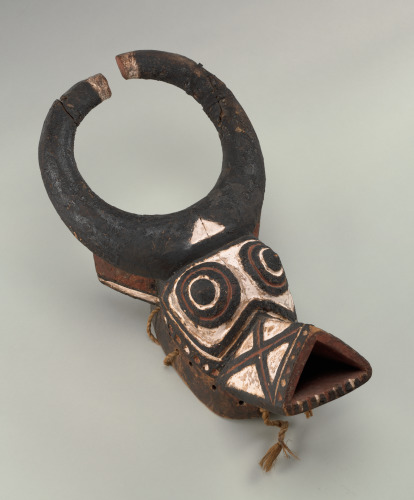
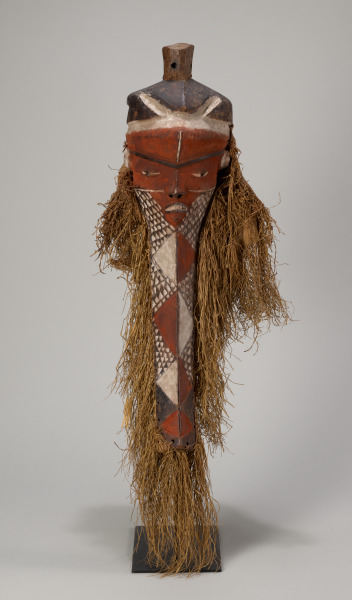
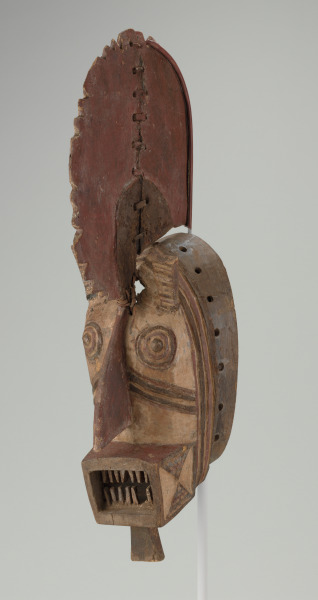
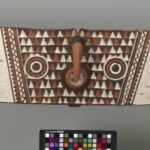
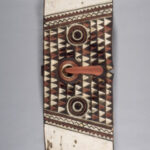
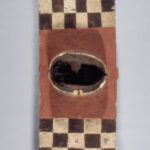
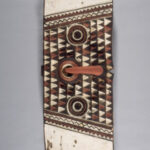
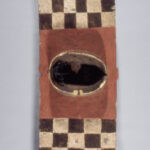
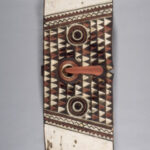
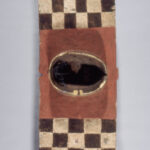
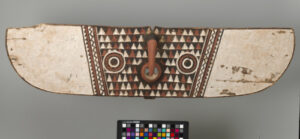
Hawk Mask (Duho)
Bwa, 1900-1966
Scroll
Bwa
Hawk Mask (Duho)
Bwa, 1900-1966
Physical Qualities
Wood, pigment, resin, 46 1/16 x 13 3/4 x 6 5/16 in. (117 x 35 x 16 cm.)
Credit Line
Gift of Gilbert and Jean Jackson, Potomac, Maryland
Object Number
1995.101
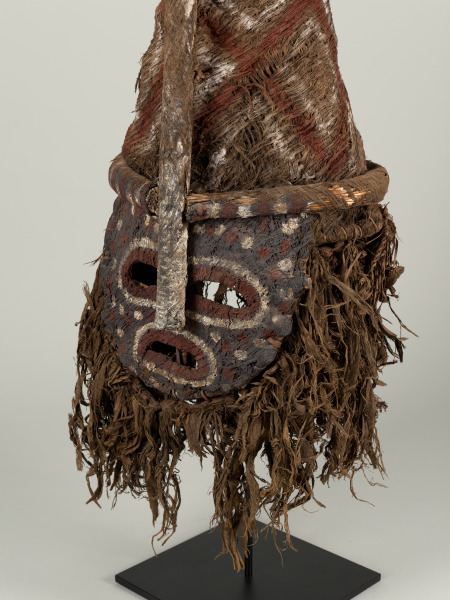
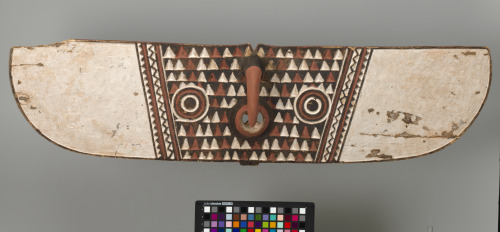
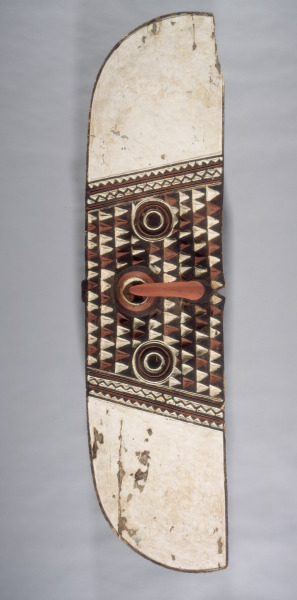
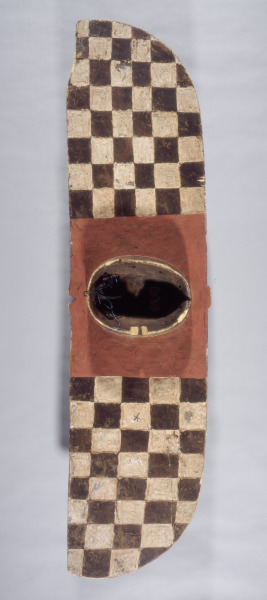
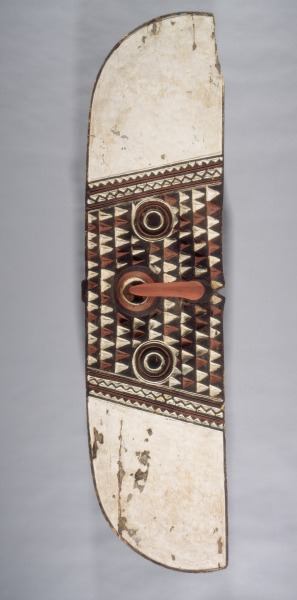
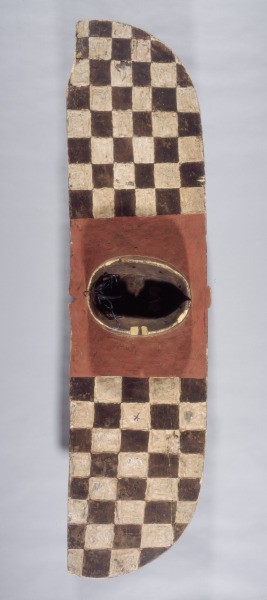
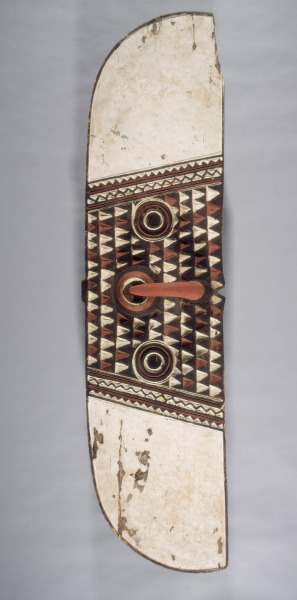
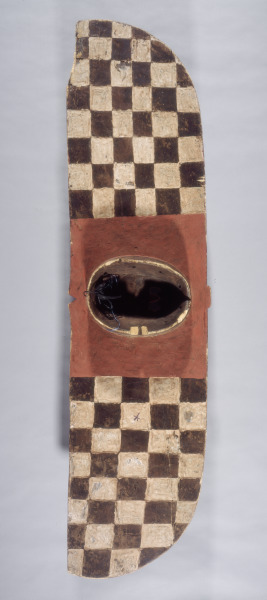
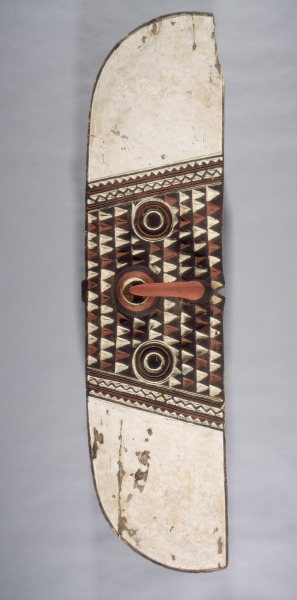
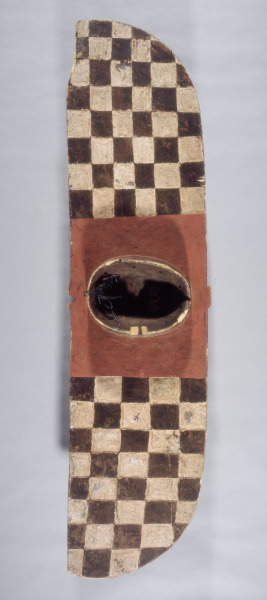
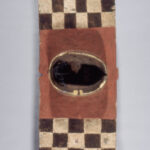
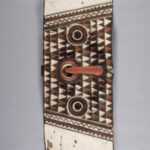
Radiant red, white, and black Bwa masks perform at funerals and family initiations. White is made from clay and lizard dung; red is adhered with a glossy egg binder, and black comes from plant matter boiled with iron slag. These natural pigments are arranged in patterns that young men learn during initiation to their family’s masking society. Designs of alternating black and white refer to the separation of light from dark, good from evil, and male from female. In the past, men wearing such masks concealed their bodies with dramatic hemp fiber costumes of red or black. Today, costumes might also be dyed a range of hues—from blue and green to pink.
Meditations on African Art: Color
Beyond Flight: Birds in African Art
Frederick John Lamp, "See the Music Hear the Dance: Rethinking African Art at the Baltimore Museum of Art." New York: Prestel, 2003, p.136, ill.
Art of the Upper Volta Rivers, Christopher Roy, ed, Alain et Francoise Chaffin, France, 1987.