Sapi
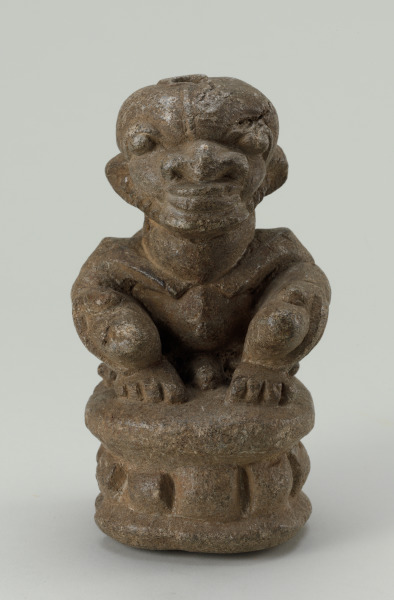
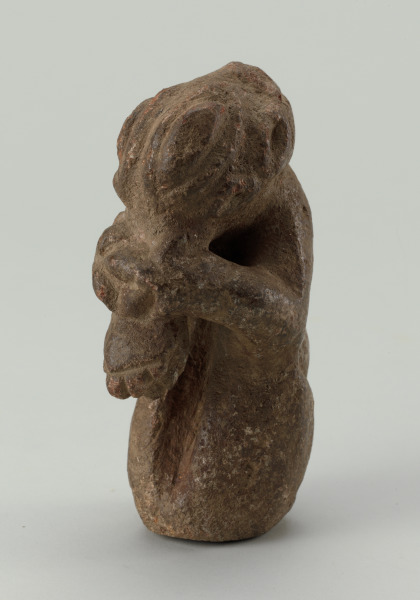
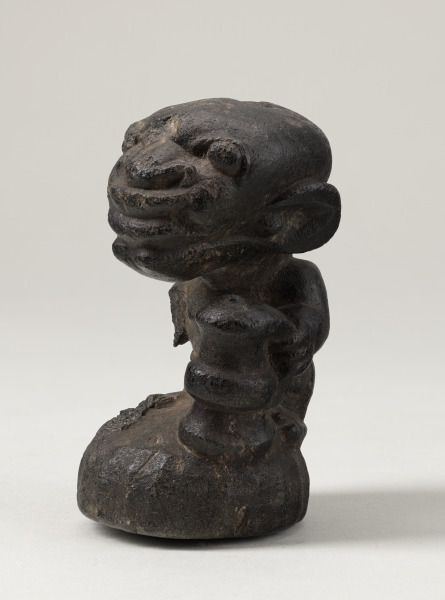
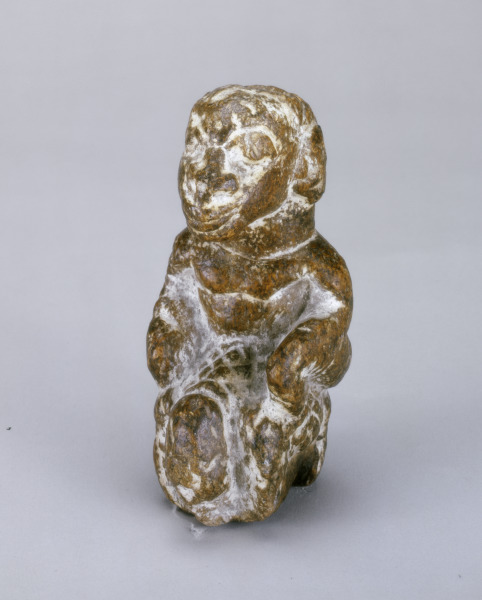
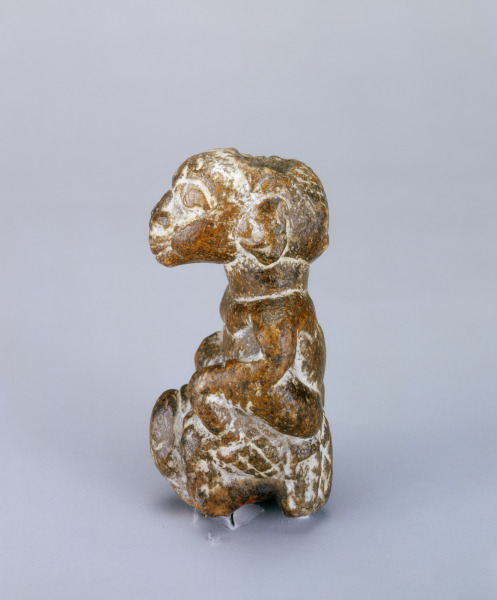
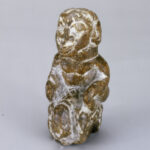
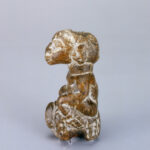
Male Figure Riding an Elephant
Sapi, 1400-1548
Scroll
Sapi
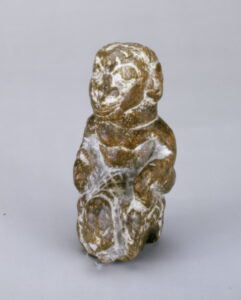
Male Figure Riding an Elephant
Sapi, 1400-1548
Physical Qualities
Steatite, 3 15/16 x 1 15/16 x 1 3/4 in. (10 x 5 x 4.5 cm.)
Credit Line
Gift of Alan Wurtzburger
Object Number
1954.145.15
Miniature stone figures were carved by the ancient Sapi people, probably to represent deceased kings, chiefs, and nobles. Some figures ride on elephants and leopards, symbols of kingship honored by chiefs in this area today. The peoples currently occupying the area often find these stone figures in the fields, and they use them in small shrines to invoke the power of the ancient landowners.
Frederick John Lamp, "See the Music Hear the Dance: Rethinking African Art at the Baltimore Museum of Art." New York: Prestel, 2003, p.194, ill.
Lamp, Frederick John. "Ancestors in Search of Descendants: Stone Effigies of the Ancient Sapi." Bayside, New York: QCC Art Gallery Press, 2018. p. 71-72,