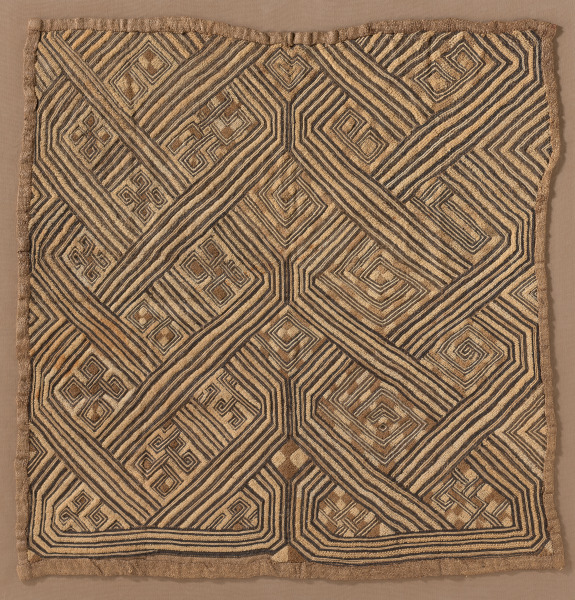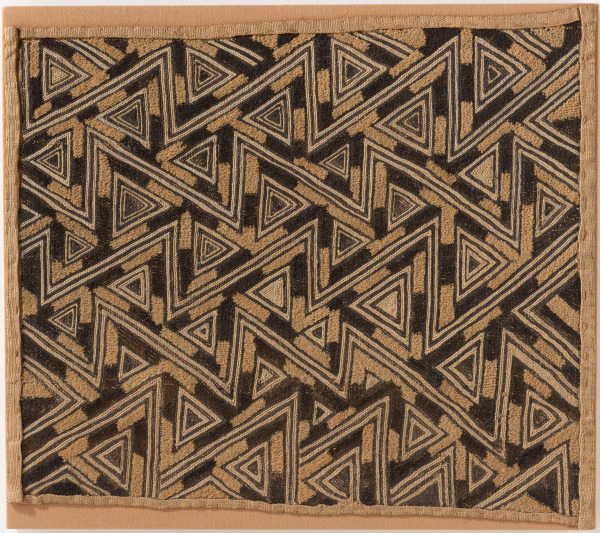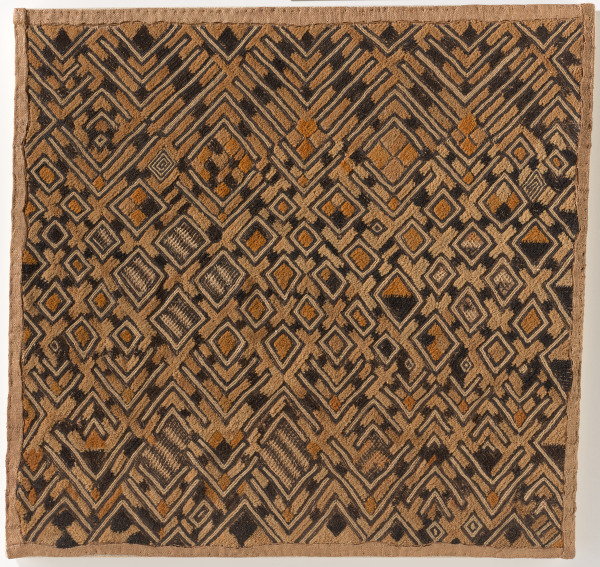


Kuba
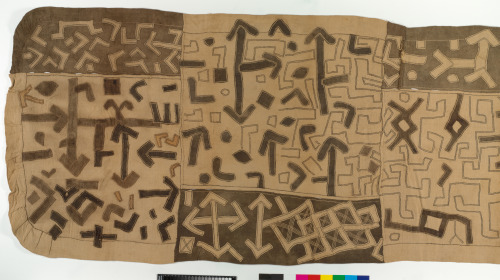
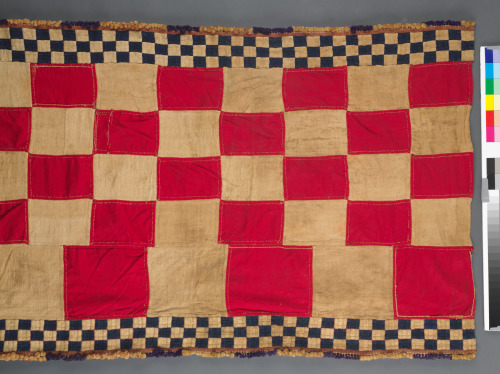
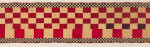
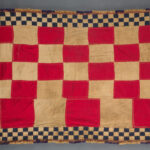
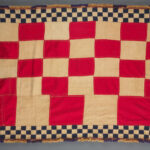
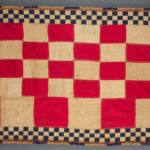
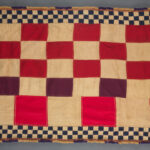
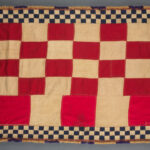
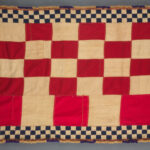
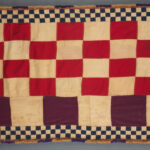
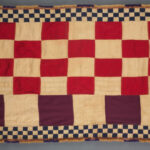
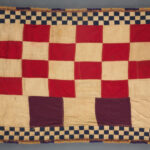
Man’s Ceremonial Skirt (Kotilaam)
Kuba, 1933-1966
Scroll

Kuba
Man’s Ceremonial Skirt (Kotilaam)
Kuba, 1933-1966
Physical Qualities
Raffia, cotton, 424 x 32 3/4 in. (1077 x 83.2 cm.)
Credit Line
Purchased as the gift of the Friends of the Arts of Africa, the Pacific and the Americas, in Memory of Howard Cohen, A. Harvey Schreter and Jeffrey P. Froehlich
Object Number
2010.28
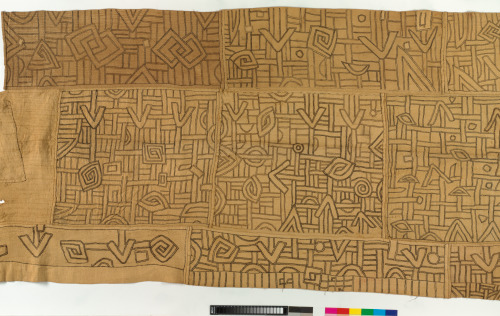
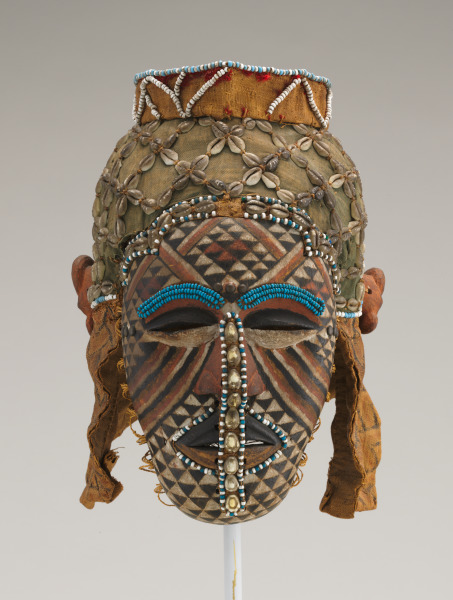
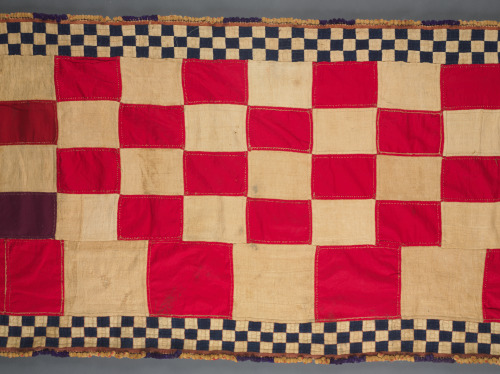
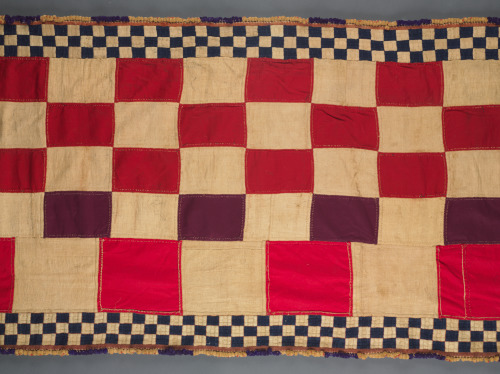
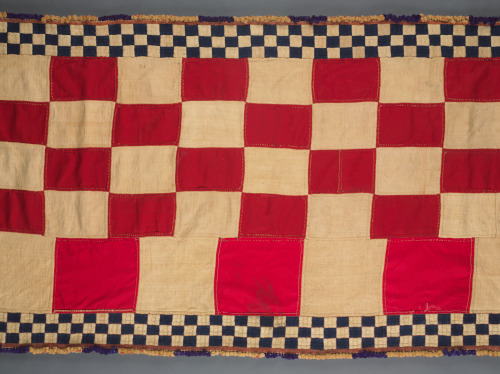
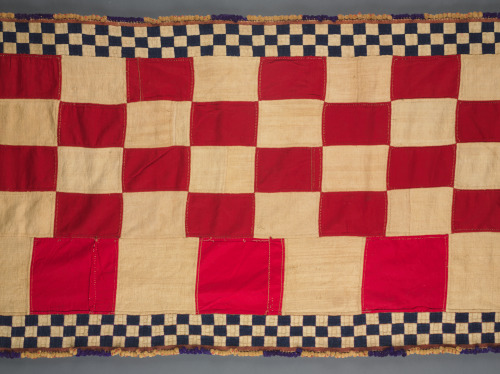
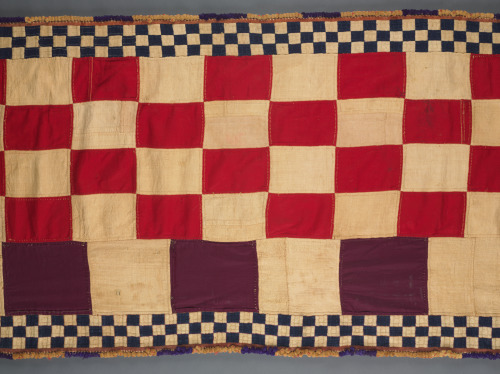
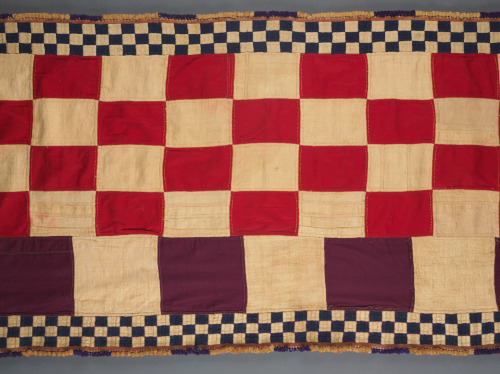
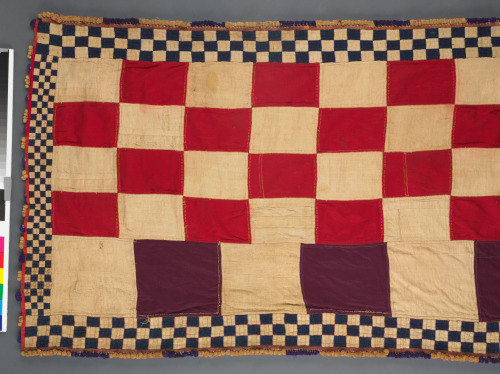
On festival days and ceremonial occasions, the centerpiece of any nobleperson’s attire is his or her skirt, which would be worn gathered around the hips, hanging past the knees, with the top folded over a beaded belt. In the highly stratified Kuba kingdom, titleholders receive the rights to wear certain styles of skirts, hats, belts, and other accoutrements according to their rank. The man who wore this skirt was a high-ranking official.
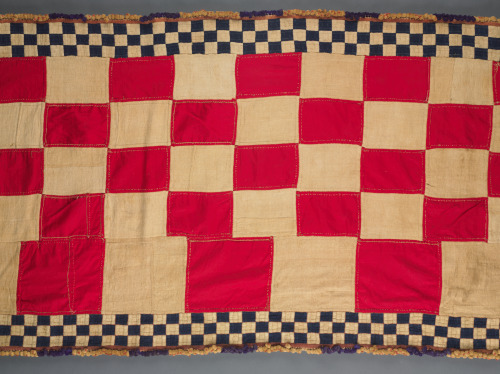
The skirt’s sumptuous yardage, almost thirty-five feet long, and its construction of hand- and machine-sewn pieces from both local and imported materials are a measure of its wearer’s stature. The bulk and heaviness of the skirt suggest the weight and responsibility that accompany power. Although Kuba textiles are woven almost exclusively from indigenously grown raffia, this skirt incorporates squares made of imported, industrially-produced red and purple cotton twill with individually sewn raffia squares and tufted raffia pompoms. Historically, access to foreign cloth through trade was the exclusive prerogative of the king. This skirt’s use of imported cotton fabric alongside raffia cloth reasserted its wearer’s privileged relationship to the king.
The Baltimore Museum of Art by purchase,2010; Deborah Garner, Leyden, MA
Hand Held: Personal Arts from Africa
b [Baltimore weekly events newspaper]. Baltimore Sun Media Group, Baltimore, MD. Arts Listings, December 14, 2011: p. 51. Photograph by Amy Davis.
M. Adams. "Kuba Embroidered Cloth." African Arts v. 12, no. 1 (1978): pp. 24-39 / see p. 30 and ill. 14
J. Cornet. Art Royal Kuba (Milan: Edizioni Sipiel, 1982): p. 188-190+
J. Cornet. Art Royal Kuba (Milan: Edizioni Sipiel, 1982): p. 188-190+