Takizawa Koryusai II, Tokubei Yamada X, and others
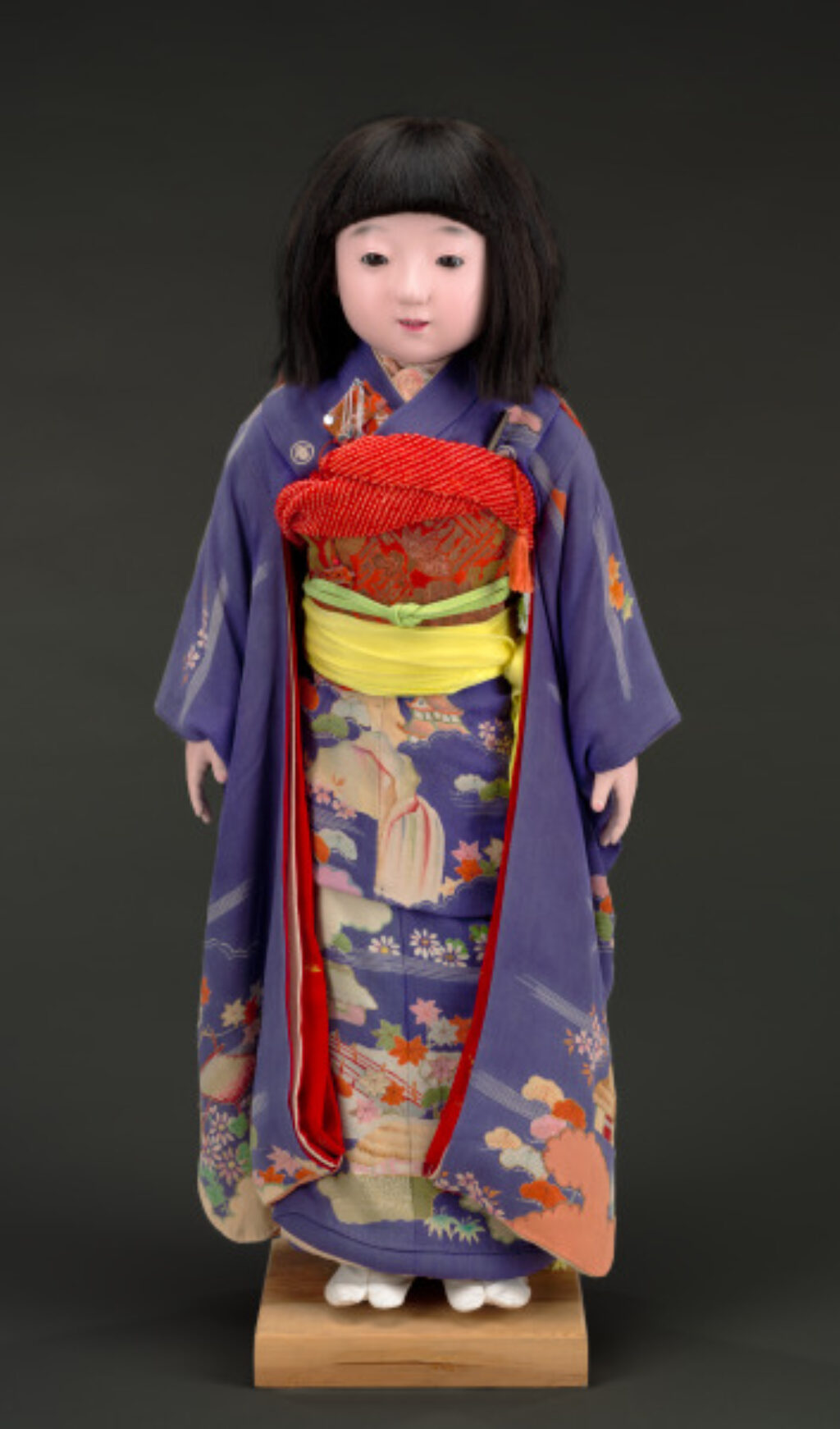
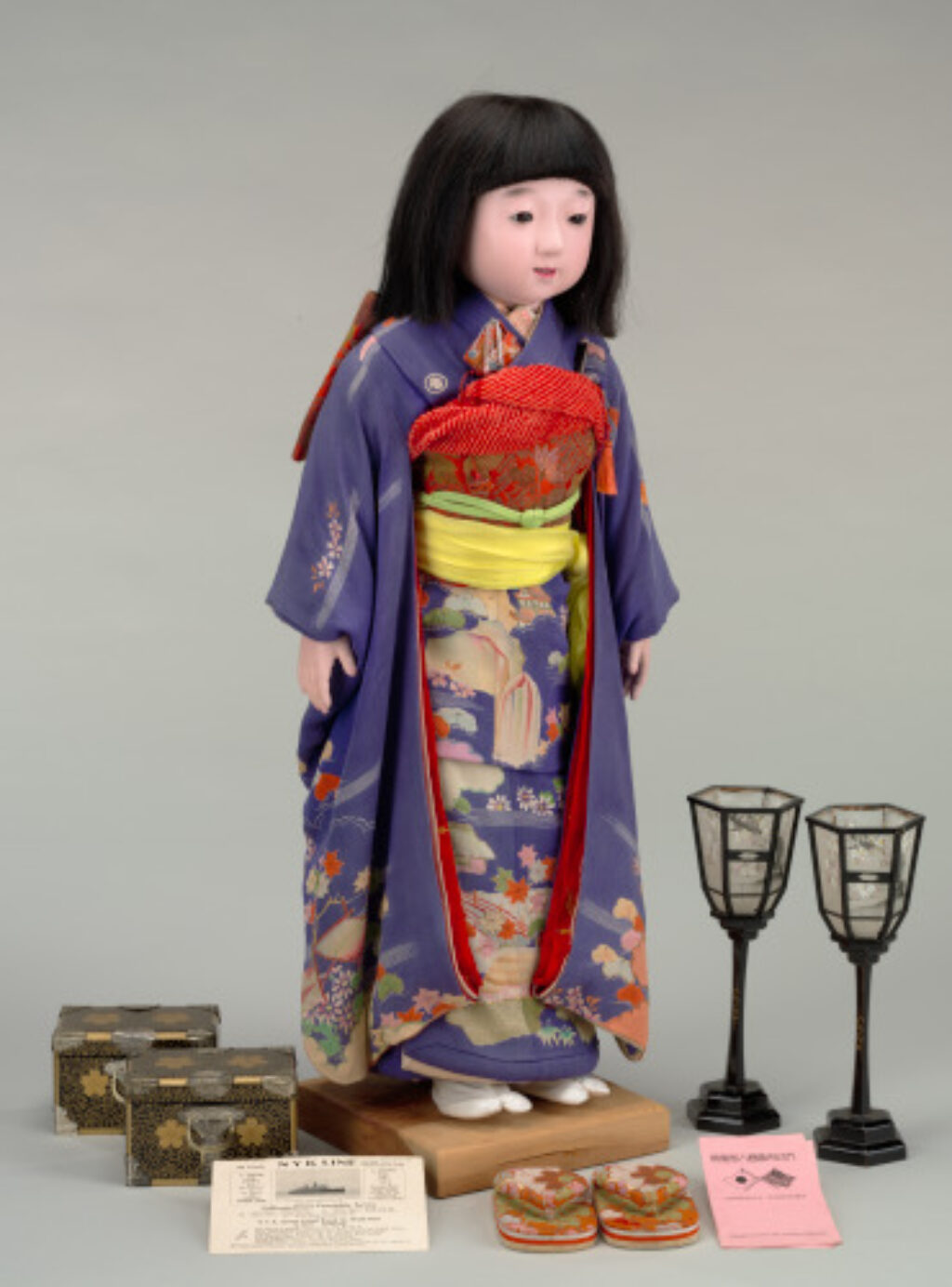
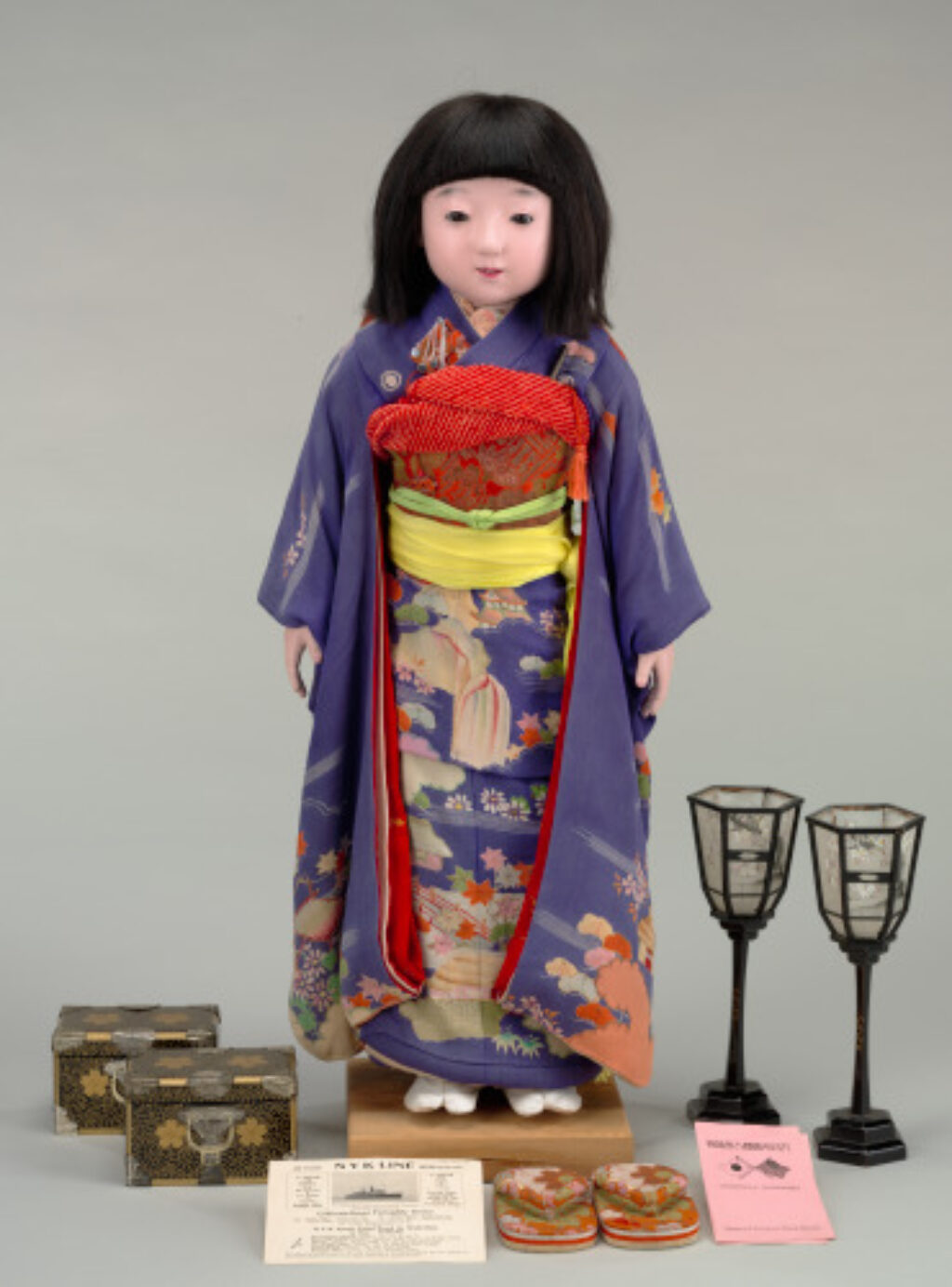
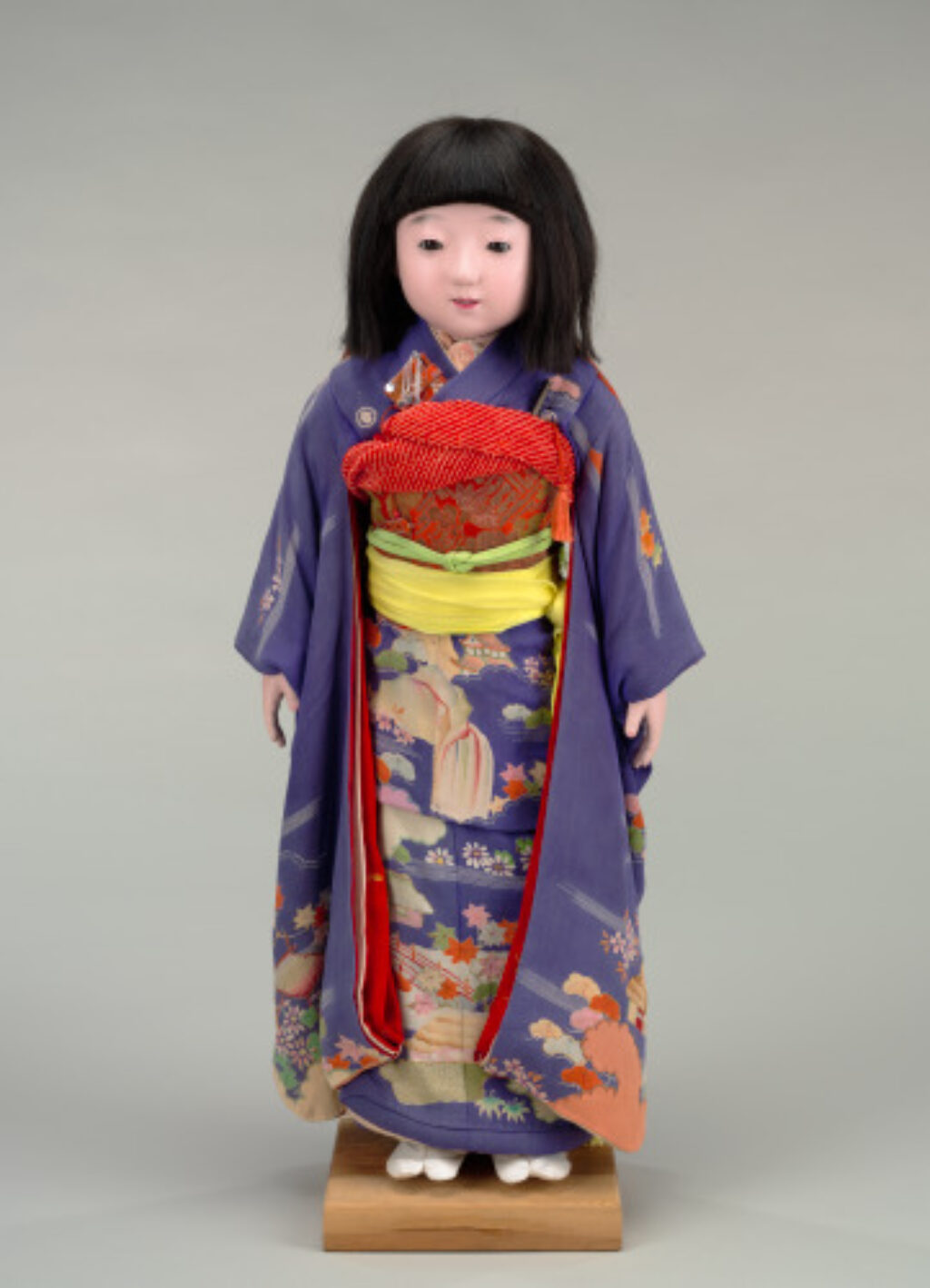
Miss Hiroshima Friendship Doll
1926
Scroll
- Maker: Takizawa Koryusai II
- Workshop: Tokubei Yamada X
- Maker: Yoshitoku Doll Company, Tokyo
Miss Hiroshima Friendship Doll
1926
Physical Qualities
Gofun (powdered shell), wood, human hair, glass; silk, cotton, 33 x 12 1/2 x 10 in. (83.8 x 31.8 x 25.4 cm.)
Credit Line
Gift of the Children of Hiroshima, Japan, through the World Friendship Society
Object Number
1928.20
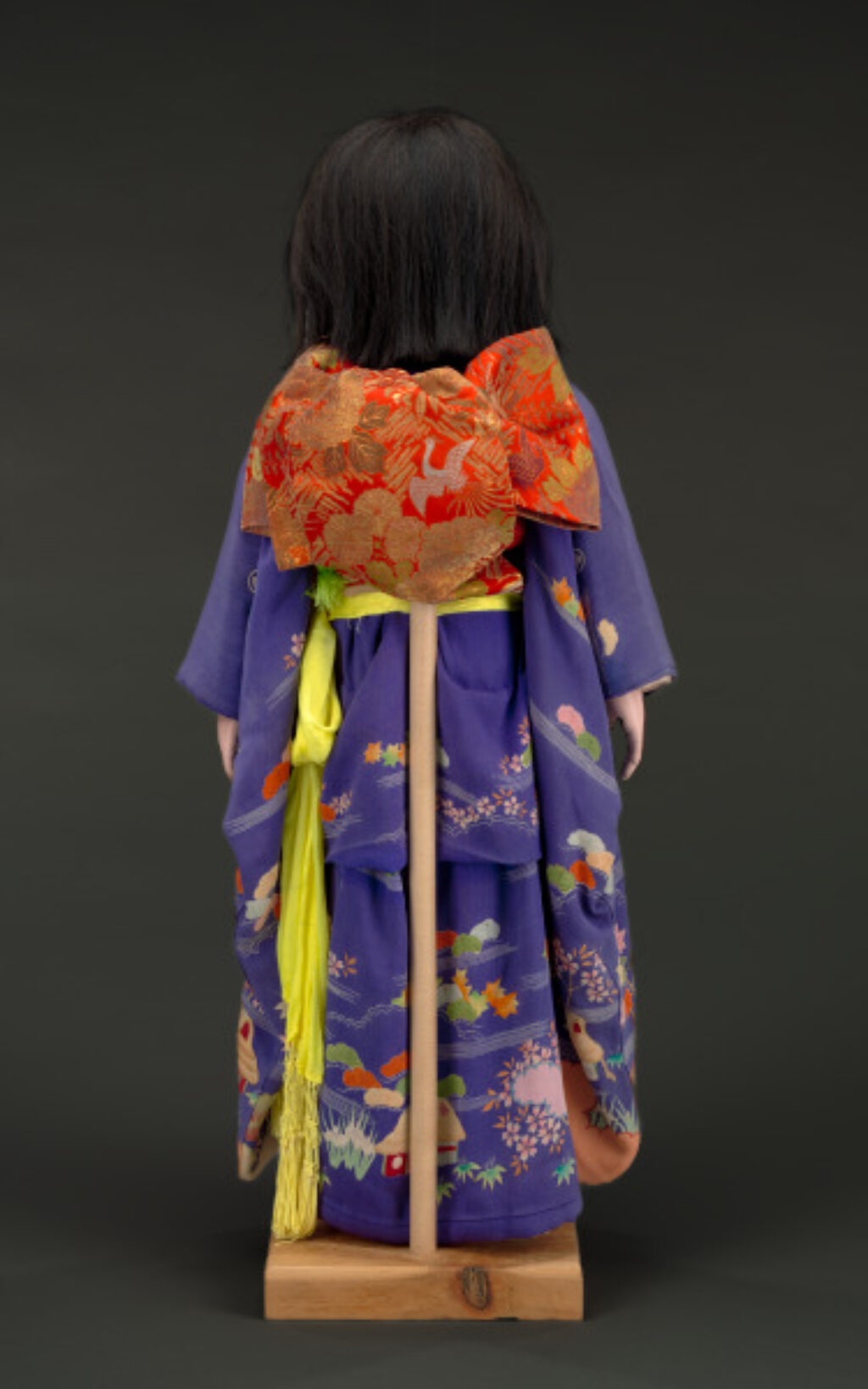
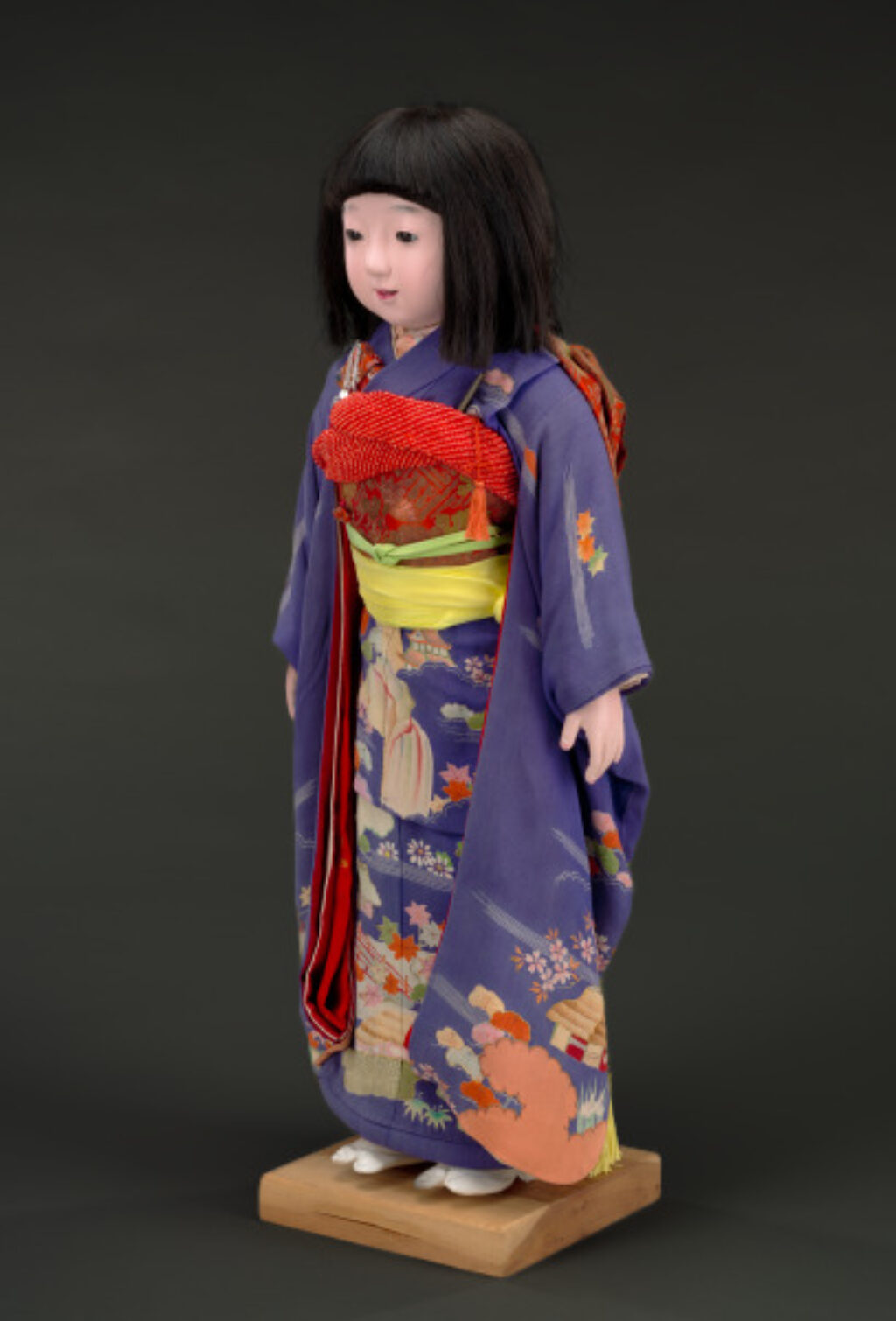
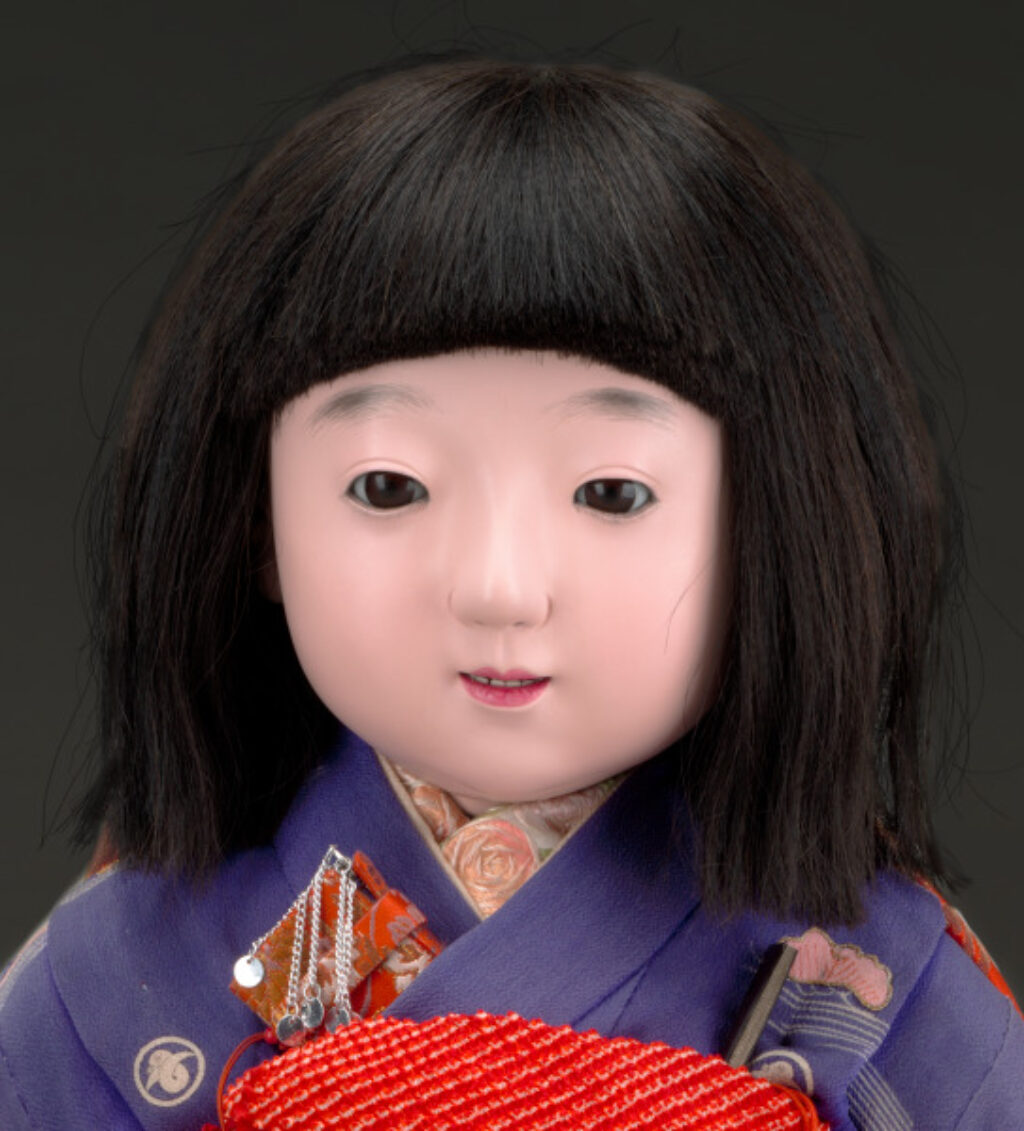
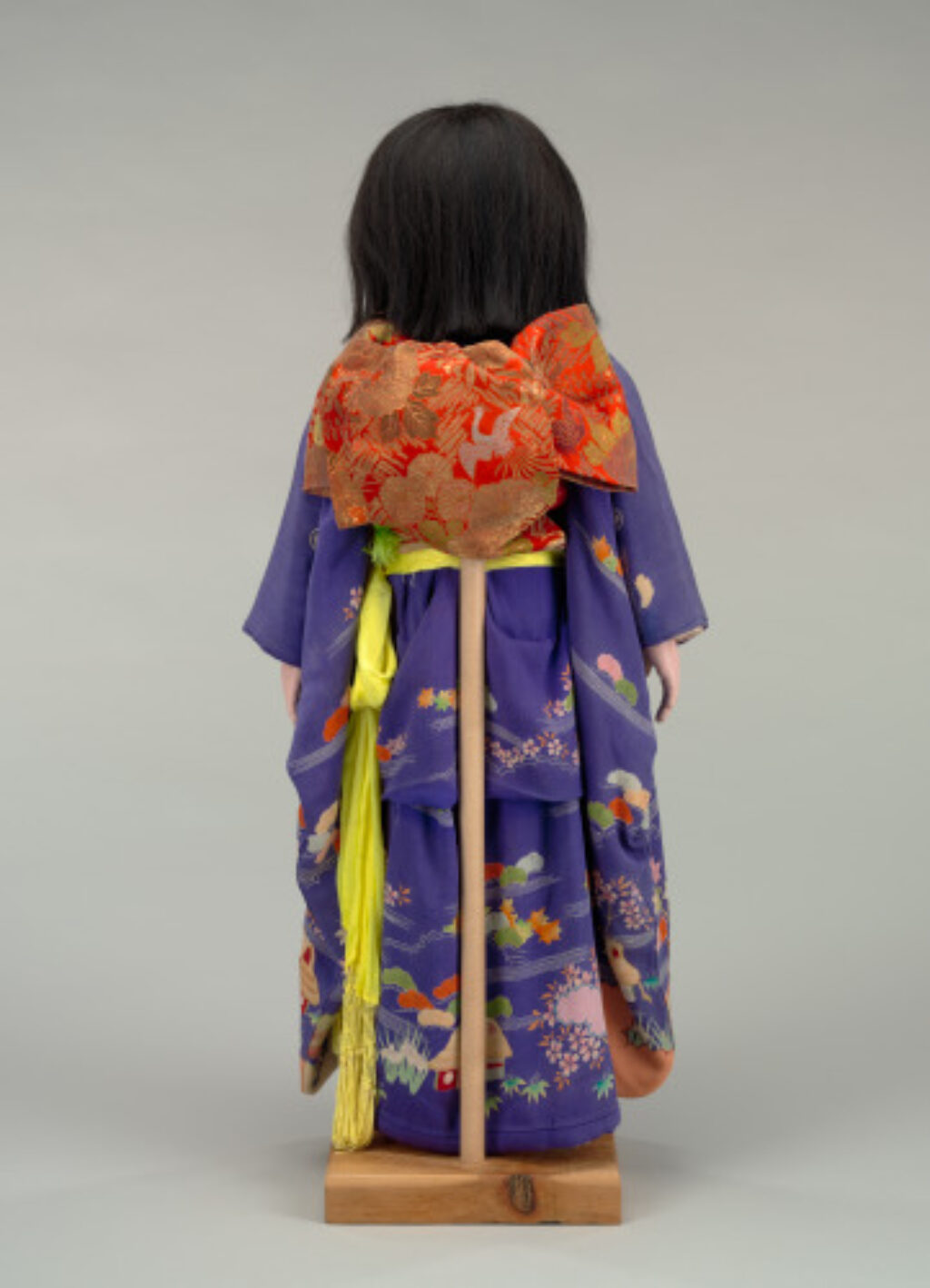
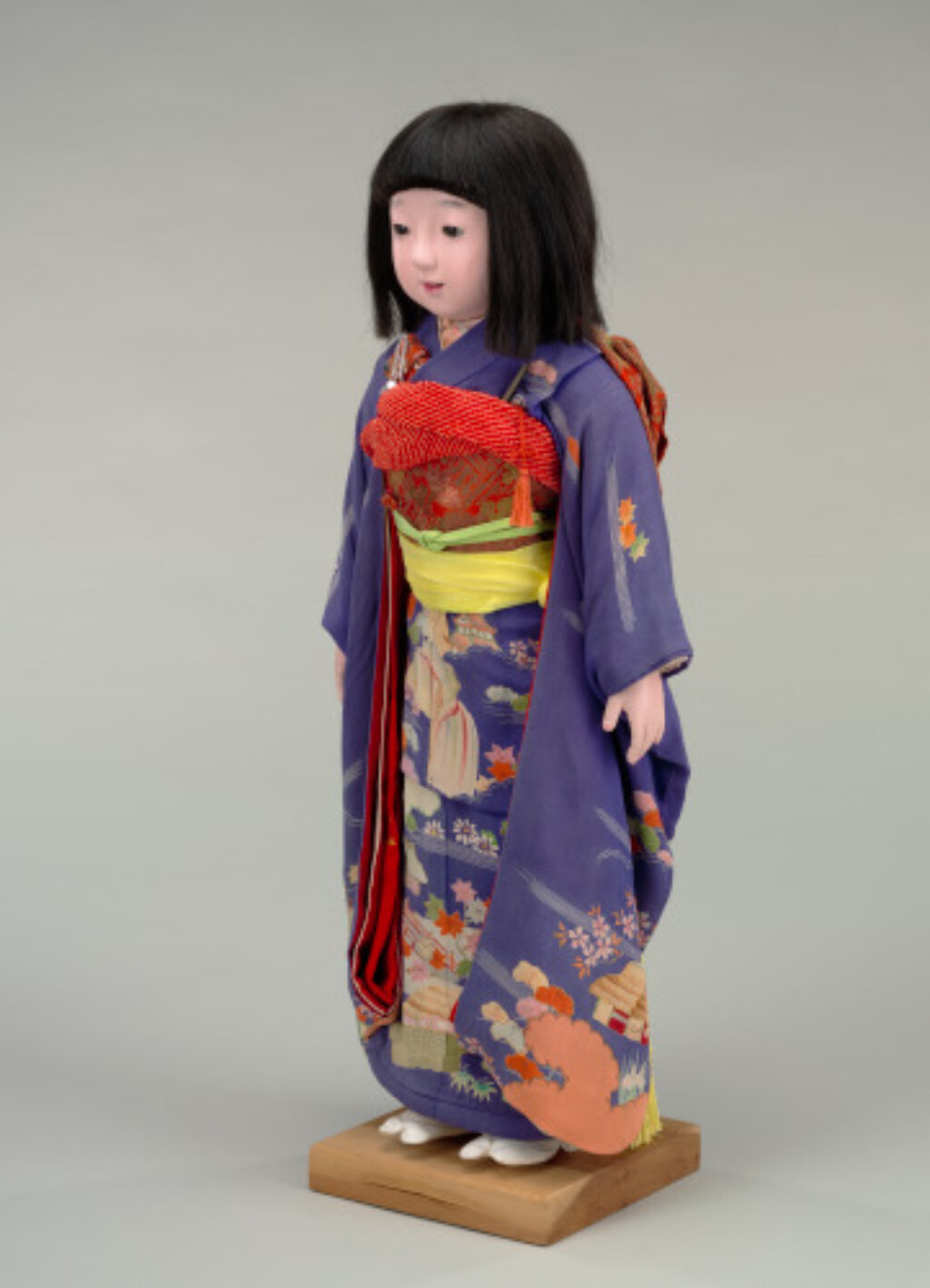
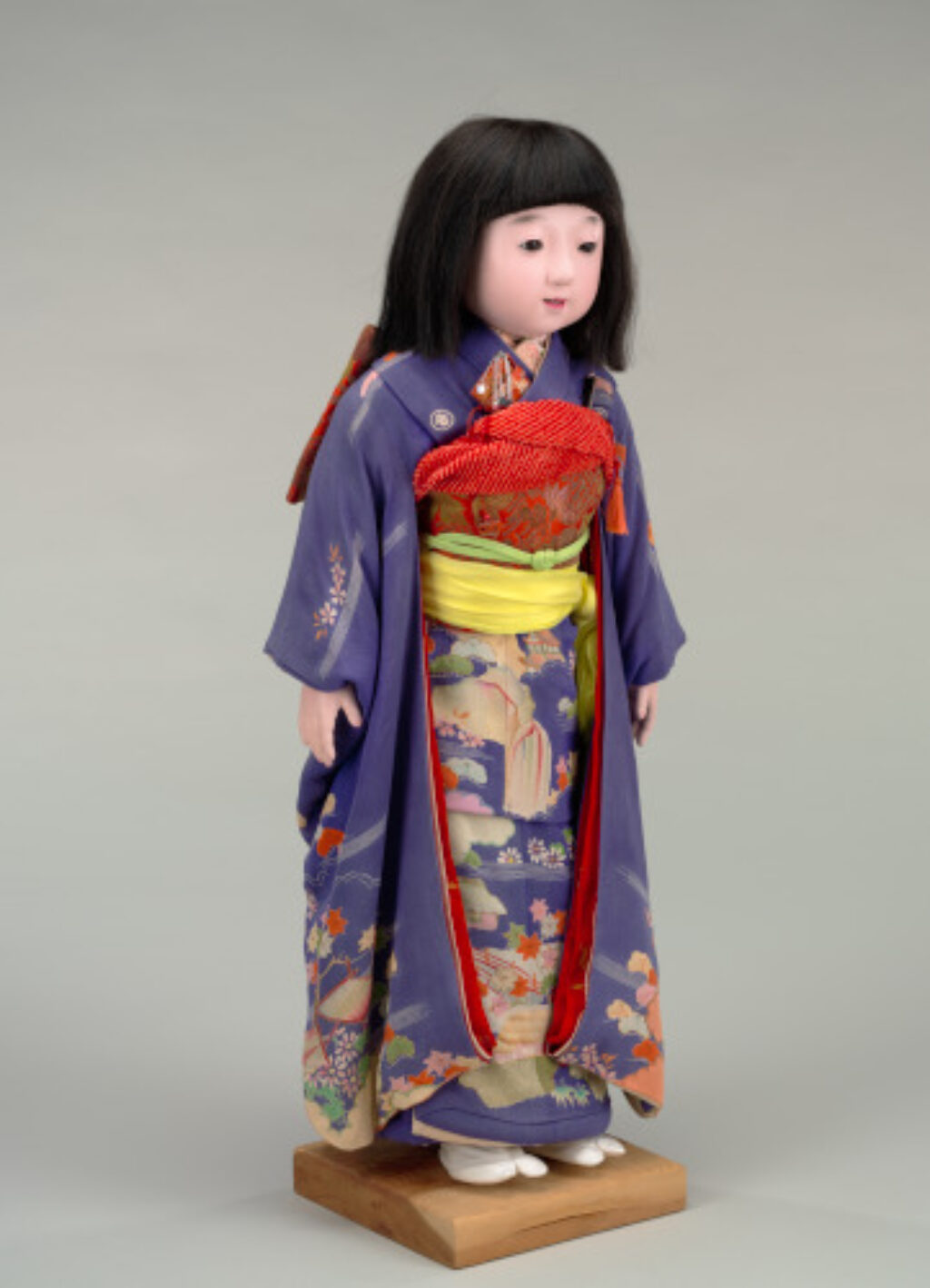
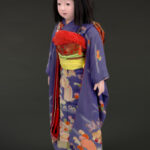
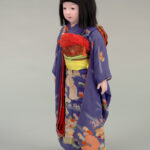
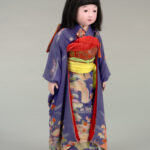
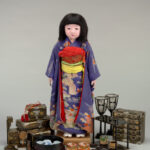
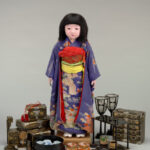
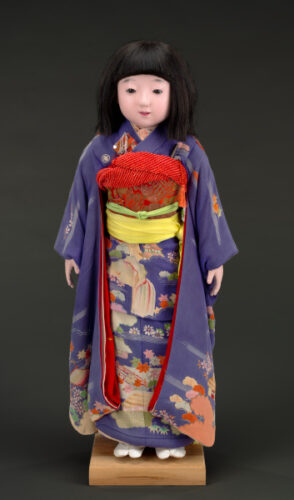
This beautiful doll was given to the citizens of Baltimore by the children of Hiroshima as part of an exchange of dolls by the peoples of the United States and Japan. 12,739 American baby dolls (including 170 from Maryland), dressed in hand-made clothes, initiated the exchange with their arrival in Japan in the late winter of 1927. In a reciprocal gesture of friendship, money was raised by subscription for 58 dolls, representing the prefectures, largest cities and colonies of Japan. Schoolgirls gave the equivalent of one-half cent apiece for the dolls which were made by the Imperial Dollmaker.
Both in Japan and the U.S., the dolls were received ceremoniously. Between January and July of 1928, the Japanese "Ambassadors of Goodwill" attended over 480 receptions in all but two states. After this tour, the dolls were presented to each state and the District of Columbia. From 1933 until 1945, Miss Hiroshima was on view in a glass case in the main branch of the Enoch Pratt Library.
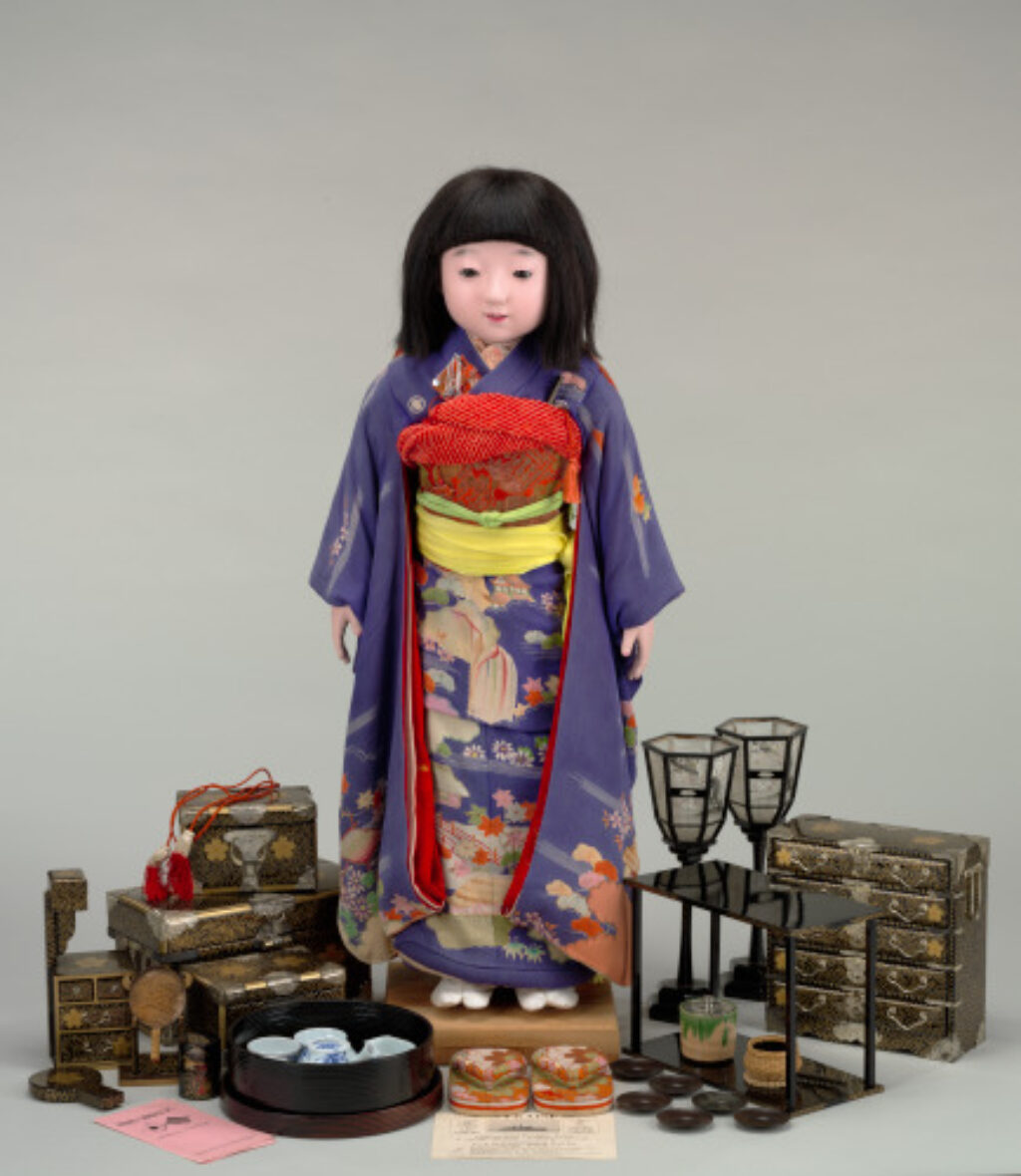
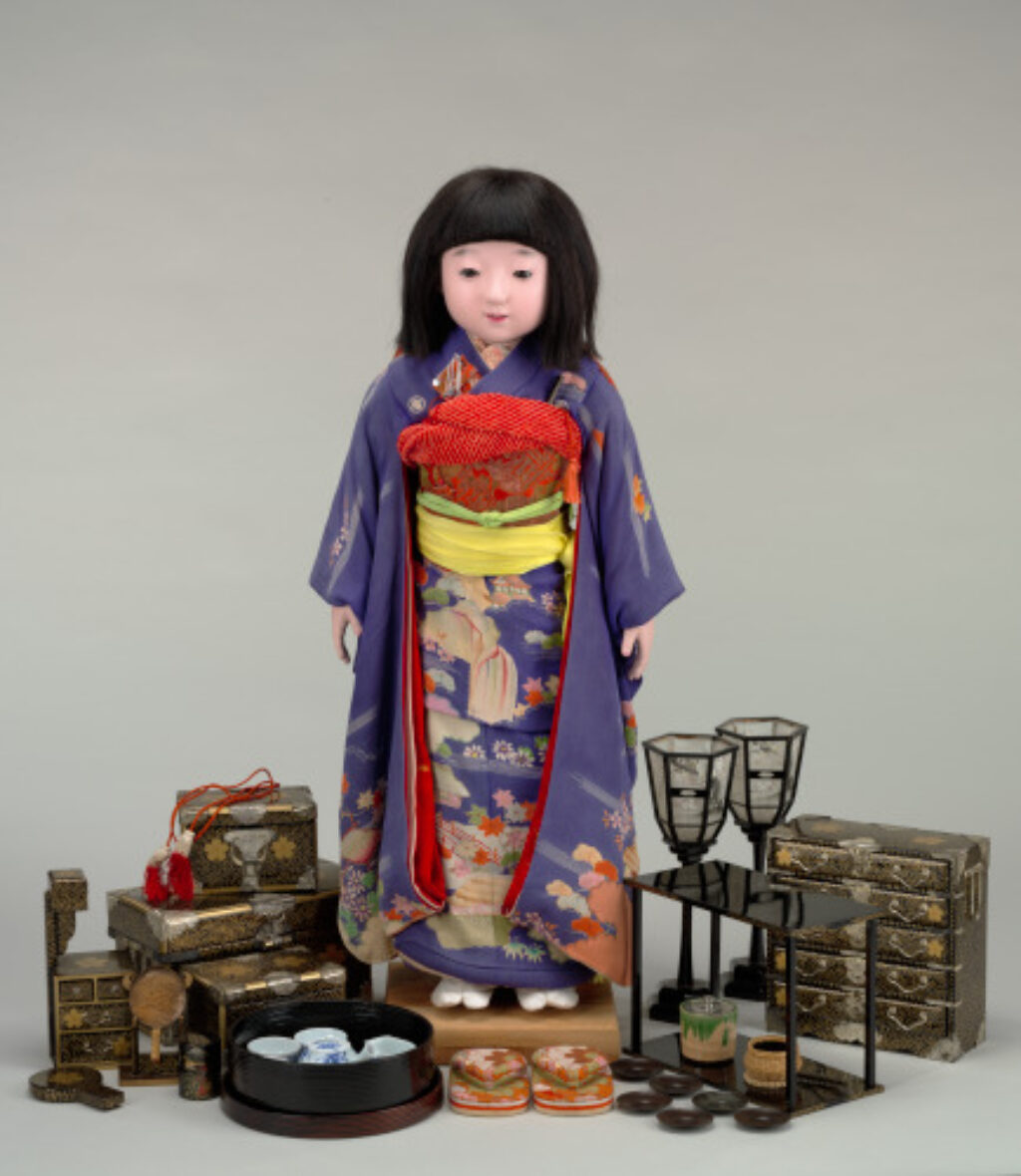
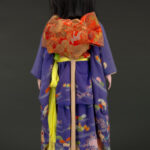
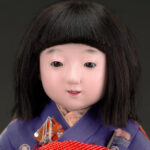
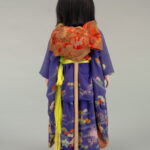
Miss Hiroshima is clothed in an embroidered and painted silk kimono which was carefully arranged to give the correct straight appearance. Her undergarments and foot coverings are of the type worn by children, not normally by dolls. Along with her passport and half-price steamship ticket, Miss Hiroshima traveled with number lacquer storage chests and tea-ceremony accoutrements.
Over the course of the tour, the some of the dolls' passports, kimonos, and acccoutrements were mixed up and their identities confused. Miss Hiroshima is one example with the doll now identified as Miss Hiroshima based on its crest in the collection of the Barry Art Museum at Old Dominion University in Norfolk.
Baltimore's doll may be Miss Yamaguchi.
The Baltimore Museum of Art by gift, 1928; World Friendship Society
Yone Sugiyama, "The International Doll Festival (Hina Matsuri) and Sogetsu Flower Exhibtion," Baltimore City Bicentennial Committee, War Memorial, March 3-4, 1976.
Takuo Komatsuzaki and Sumika Harada, "Homecoming Exhibition of the First U.S.-Japan Doll Exchange," Kokusai Bunka Kyokai (International Cultural Association), circulating from the Japanese Embassy, Washington, D.C. to ten Japanese venues, April-September 1988.
The Detroit Institute of the Arts, "Japanese Friendship Dolls", March 4, 2023 - August 1, 2023.
Takuo Komatsuzaki and Sumika Harada, "Homecoming Exhibition of the First U.S.-Japan Doll Exchange," Kokusai Bunka Kyokai (International Cultural Association), circulating from the Japanese Embassy, Washington, D.C. to ten Japanese venues, April-September 1988.
The Detroit Institute of the Arts, "Japanese Friendship Dolls", March 4, 2023 - August 1, 2023.
'Just a Little Jap Doll -- But Her Name Made History,' "The Sun," Baltimore, October 19, 1945.
'Baltimore's Miss Hiroshima Doll,' "Focus," BMA, Winter 1989, p. 1.
Mitsuru Toyoda, 'Japan's Blue-Eyed Dolls,' "The Sun," Baltimore, Opinion-Commentary section, June 1, 1990.
Kunio Nishimura, 'The Friendship Dolls,' "Look Japan," July 1995, VOl. 41, No. 472, p. 33.
Michiko Takaoka, 'The Friendship Doll Program: A Past we Share, A Future we Build,' "Cultural Center News," Mukugawa Fort Wright Institute, Vol. V, No. 4, March and April 1996, pp. 1, 3.
Rosie D. Skiles, "Friendship Journal, A Souvenir Book," Japanese American Doll Enthusiasts Convention, Anaheim, California, July 25 & 26, 1997, p. 5.
Inscribed: Signed; not dated.