
William Cordova
on the lower frequencies i speak 4 u
2018

Scroll
William Cordova
on the lower frequencies i speak 4 u
2018
Physical Qualities
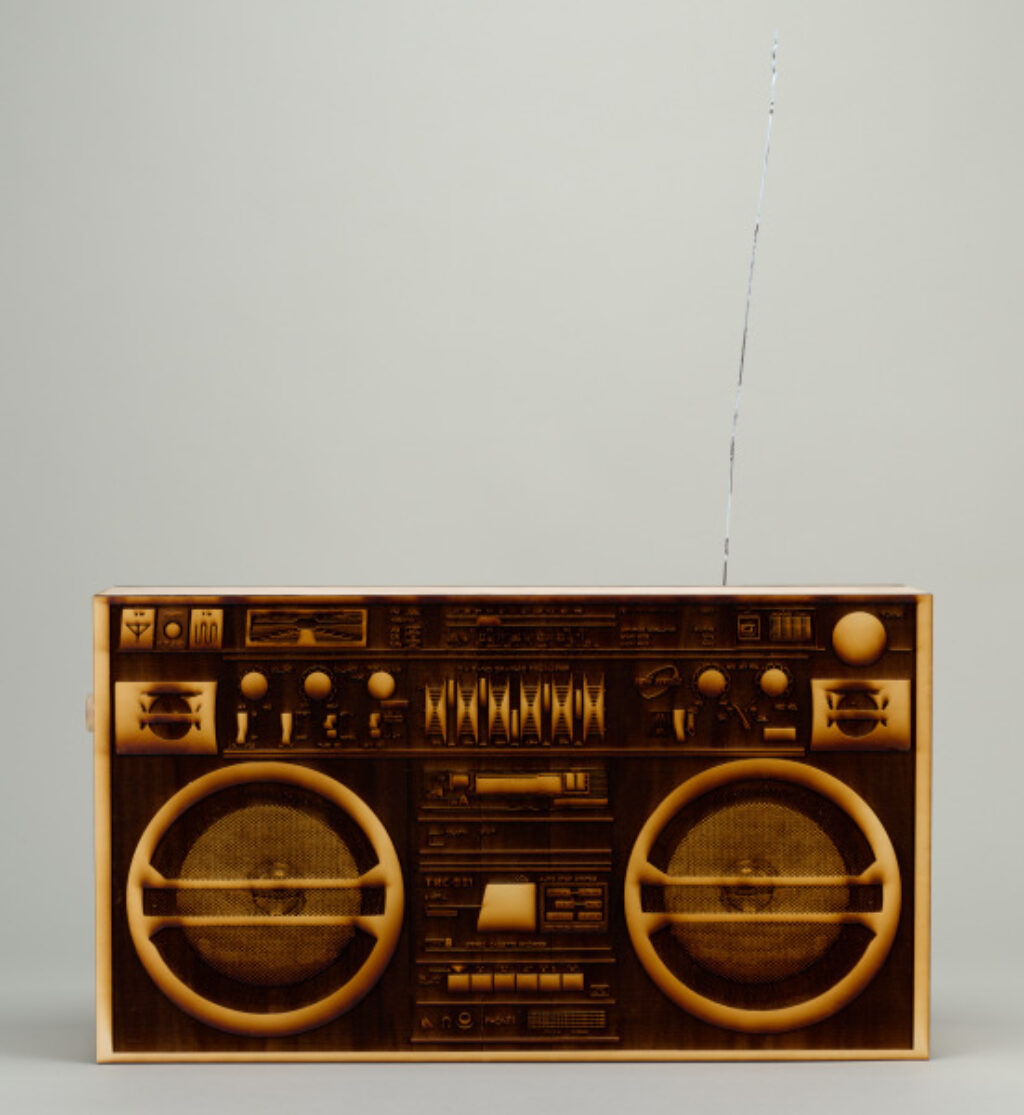
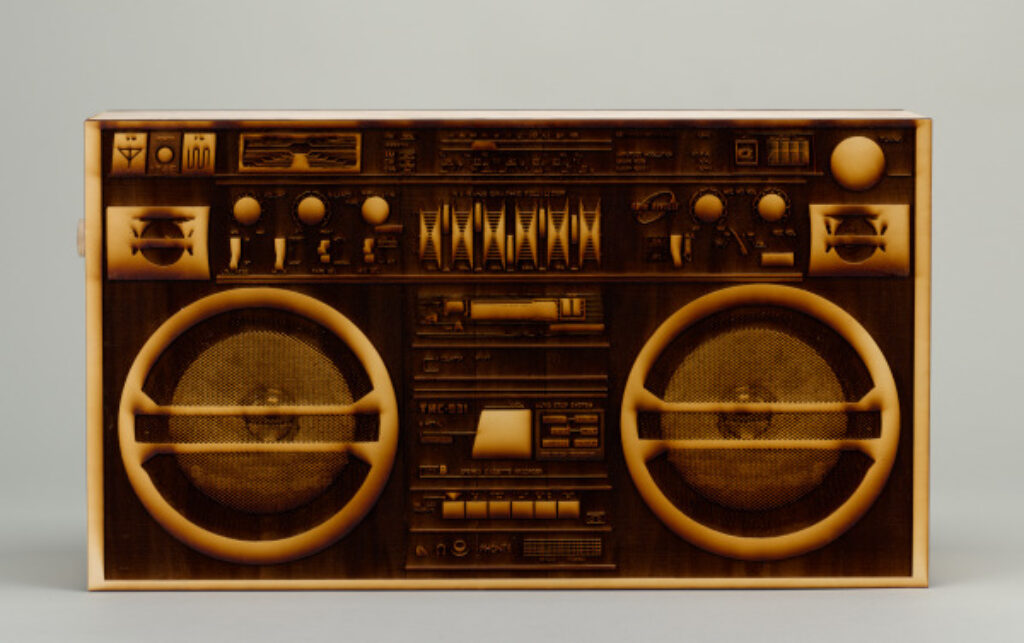
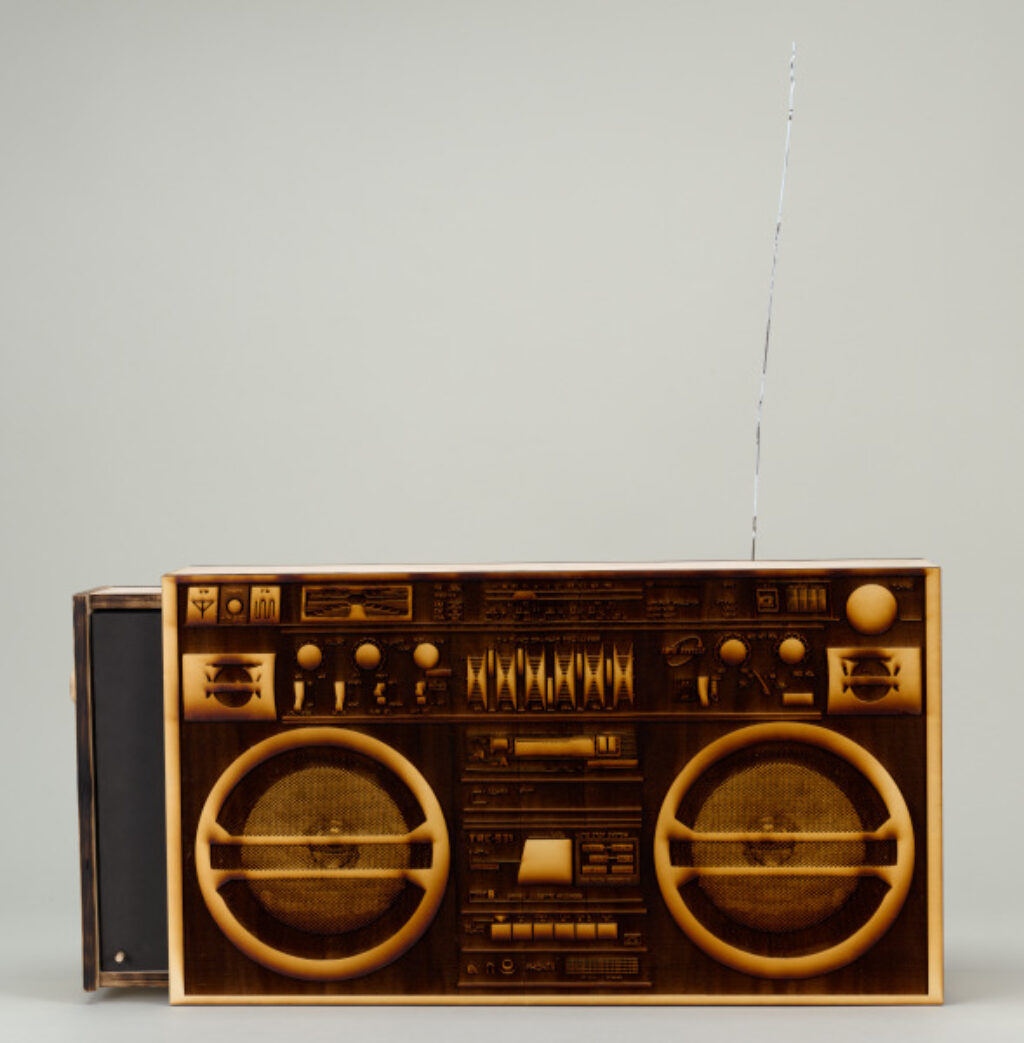
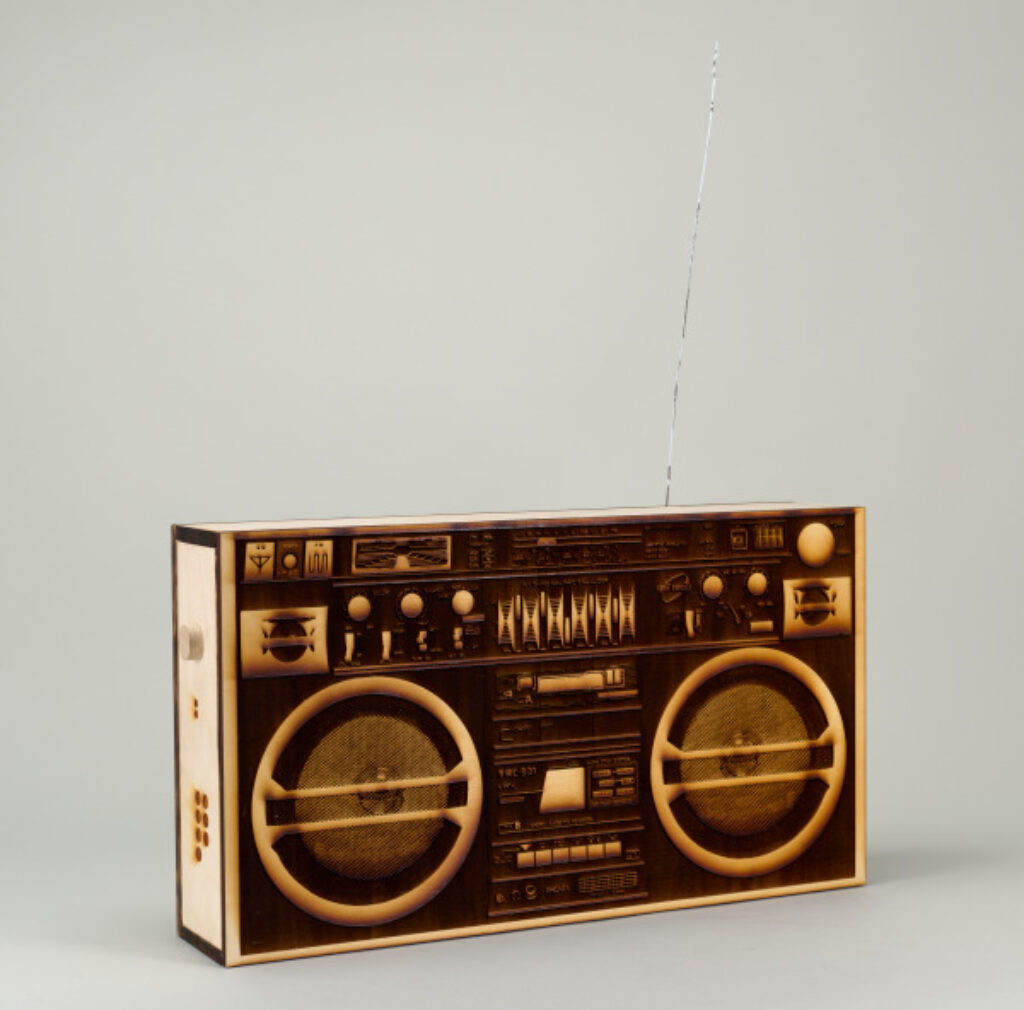
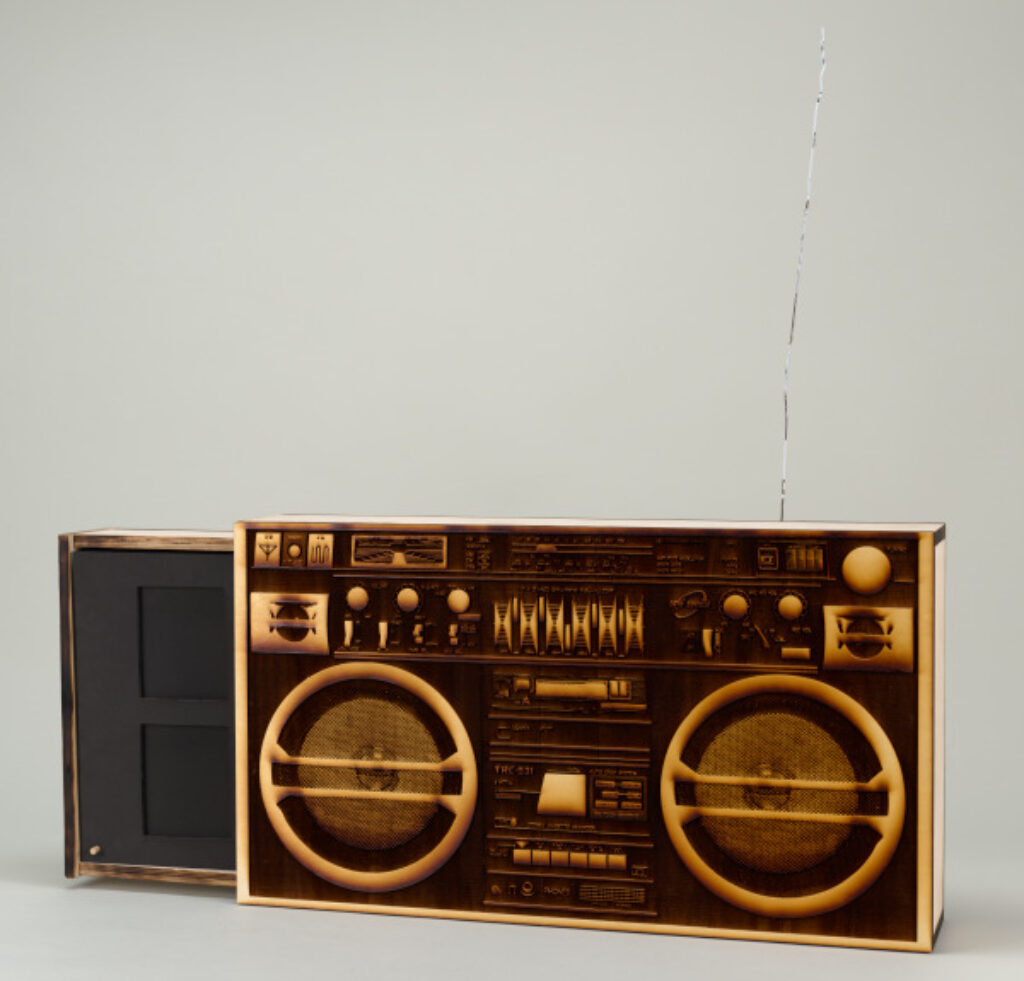
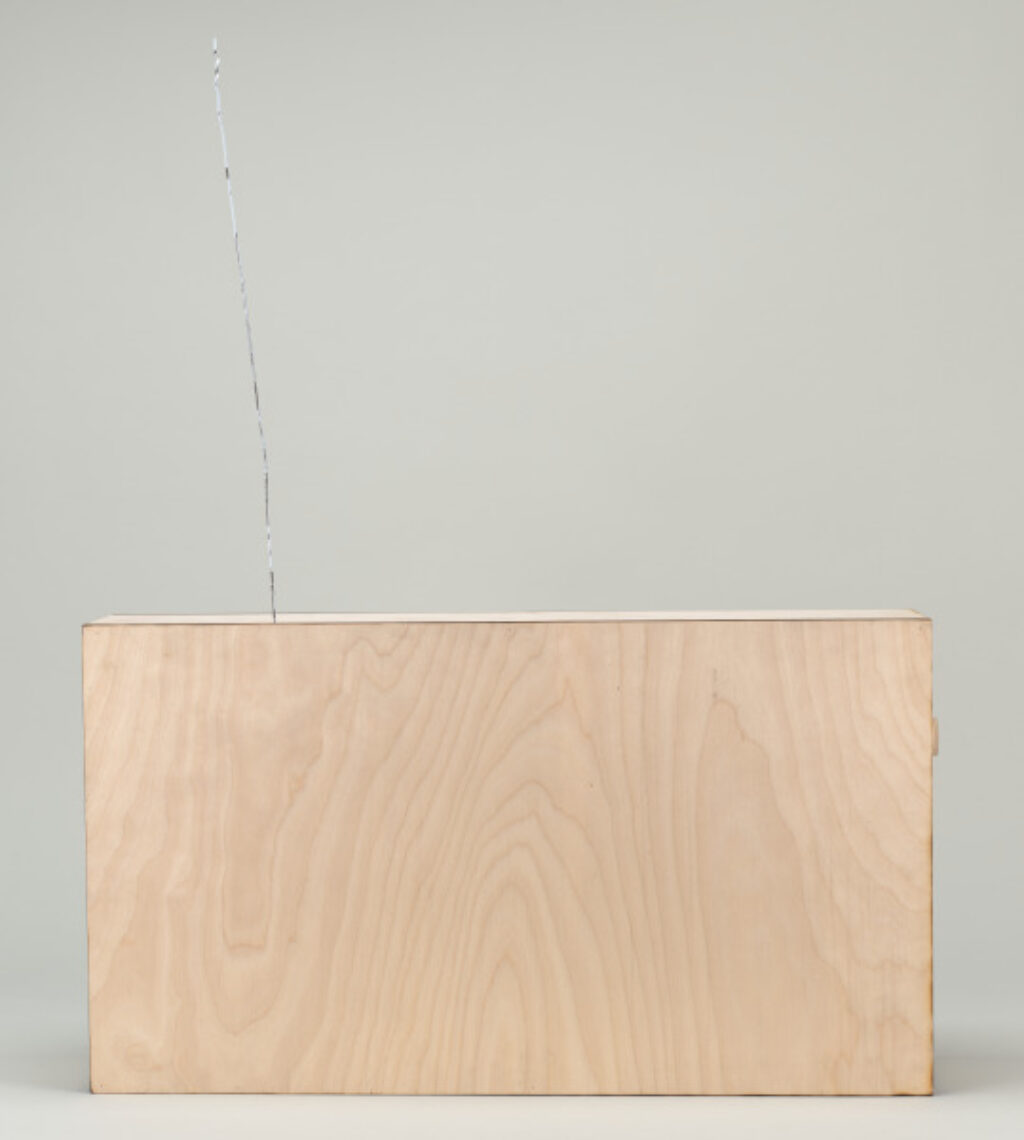
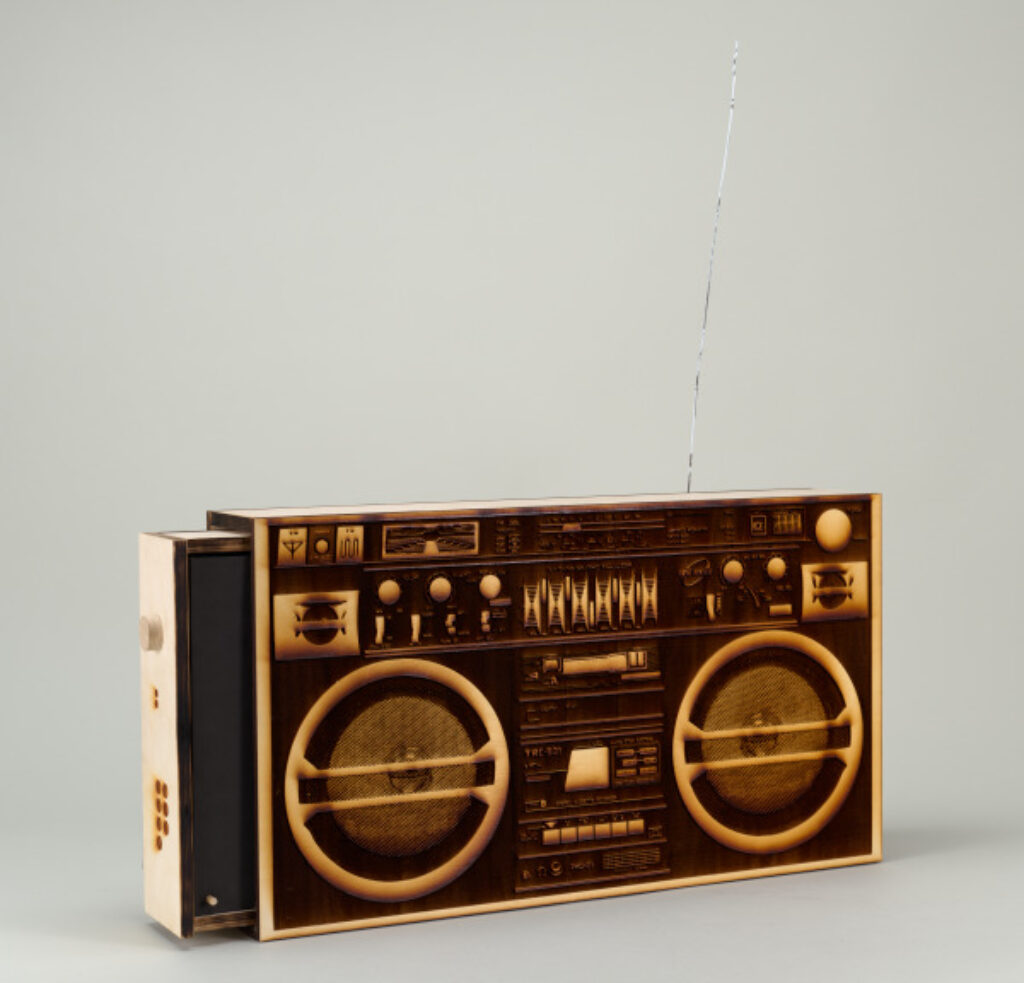
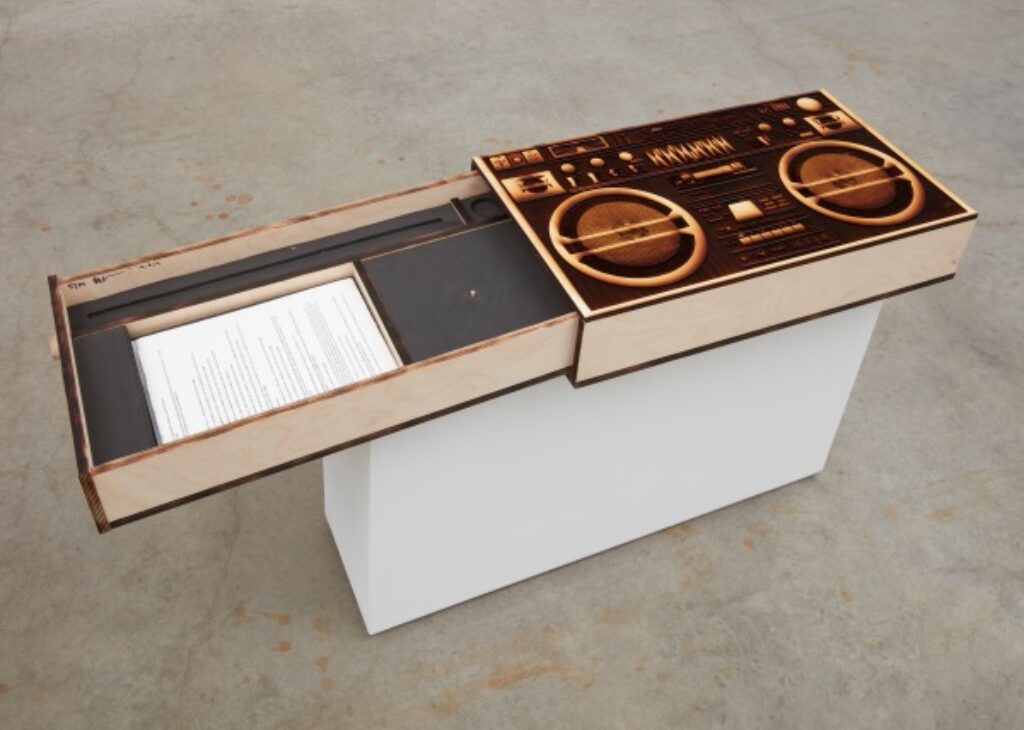
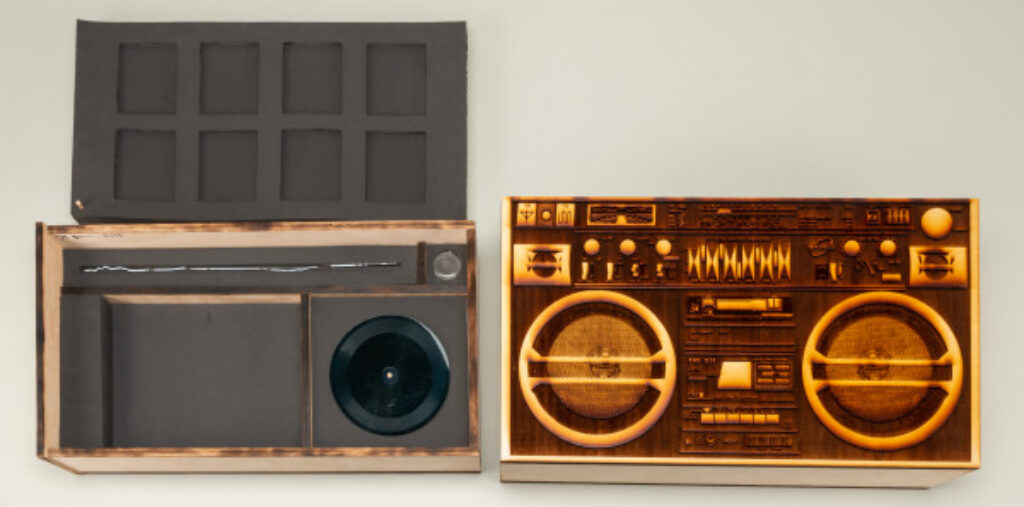
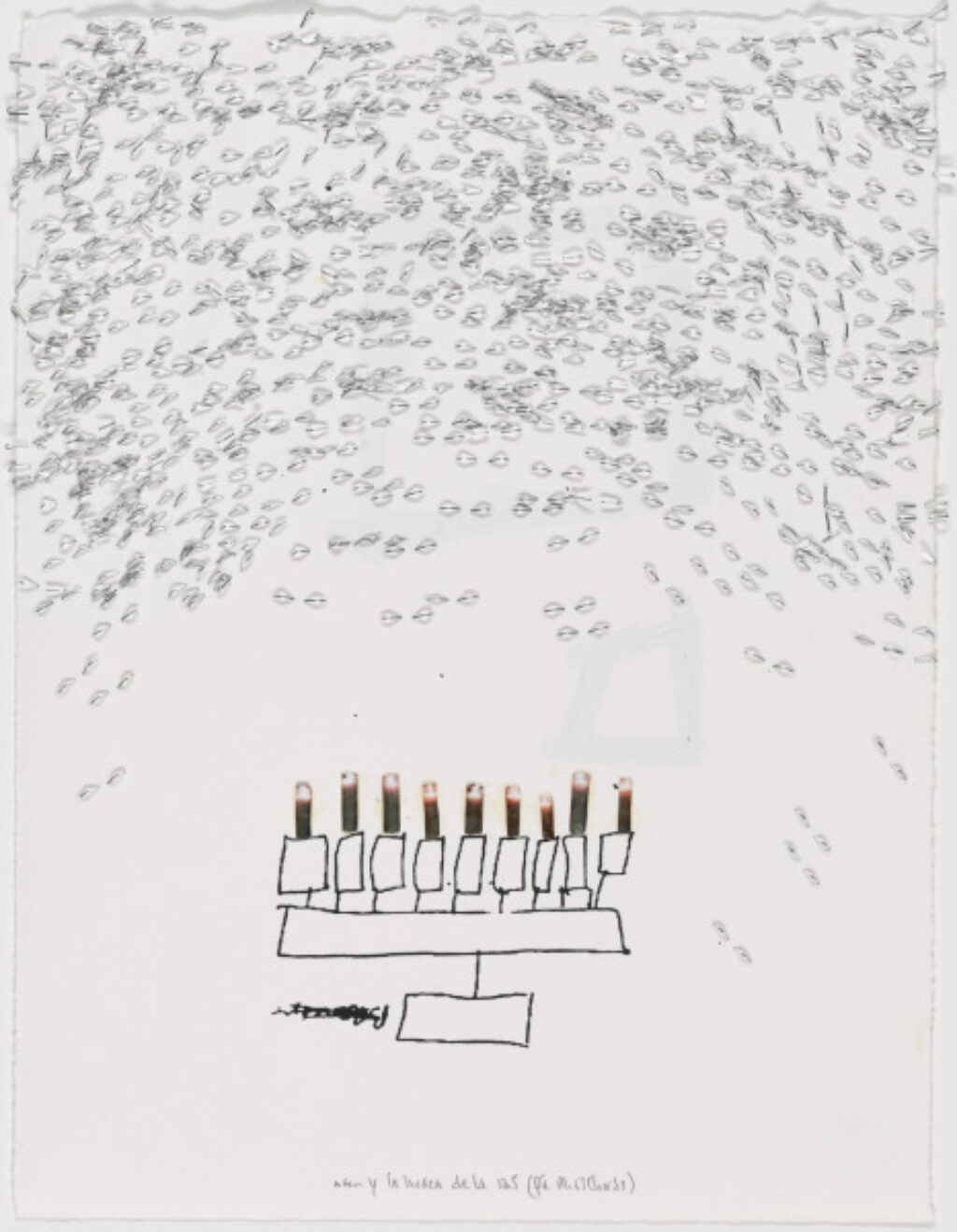
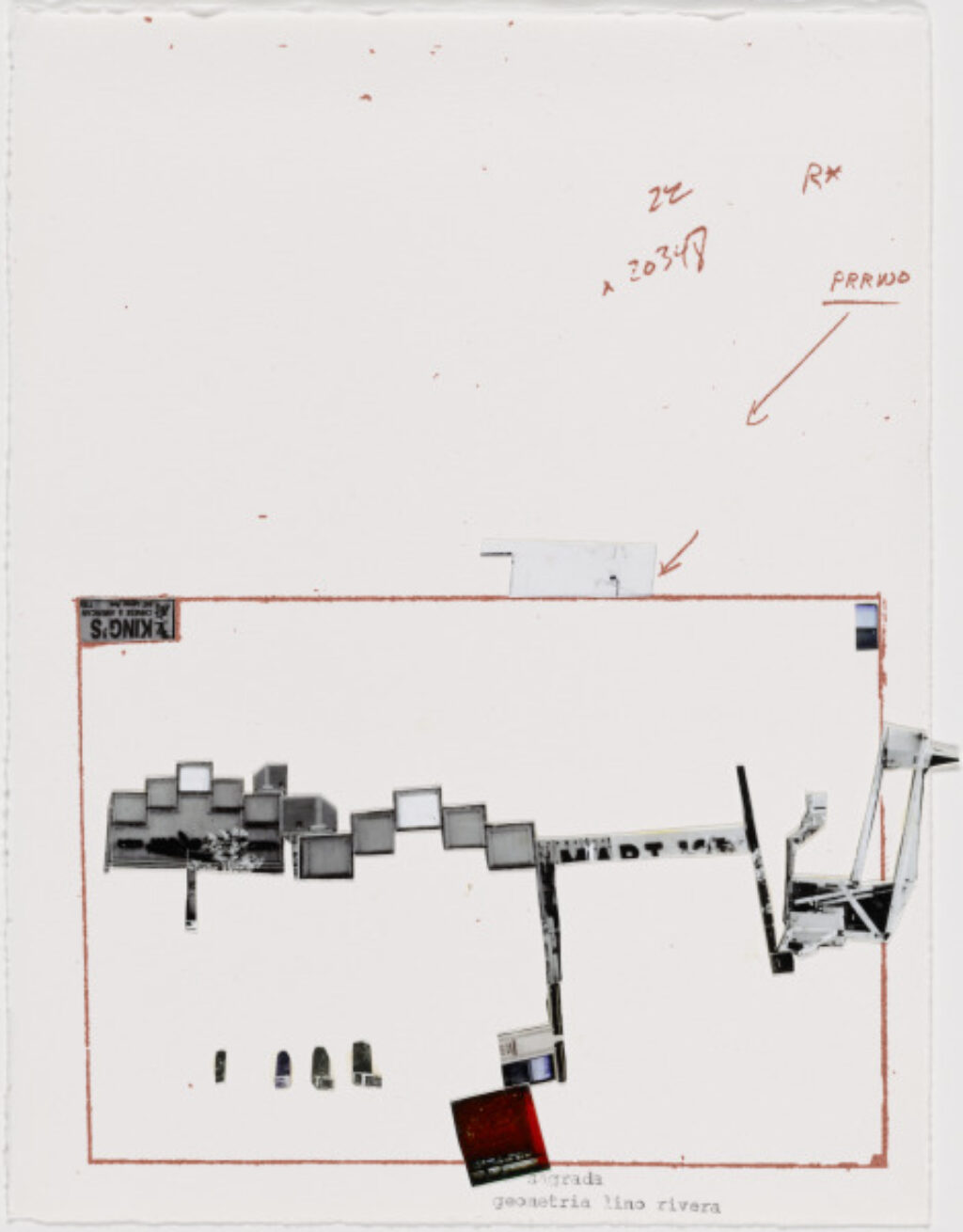
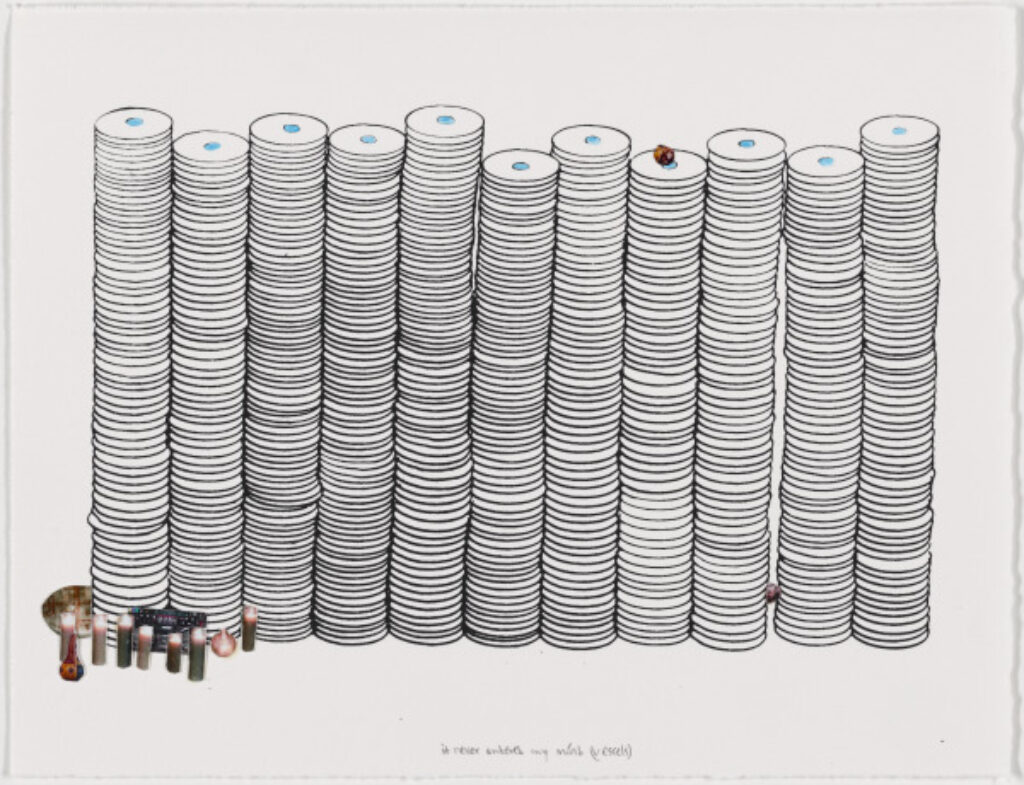
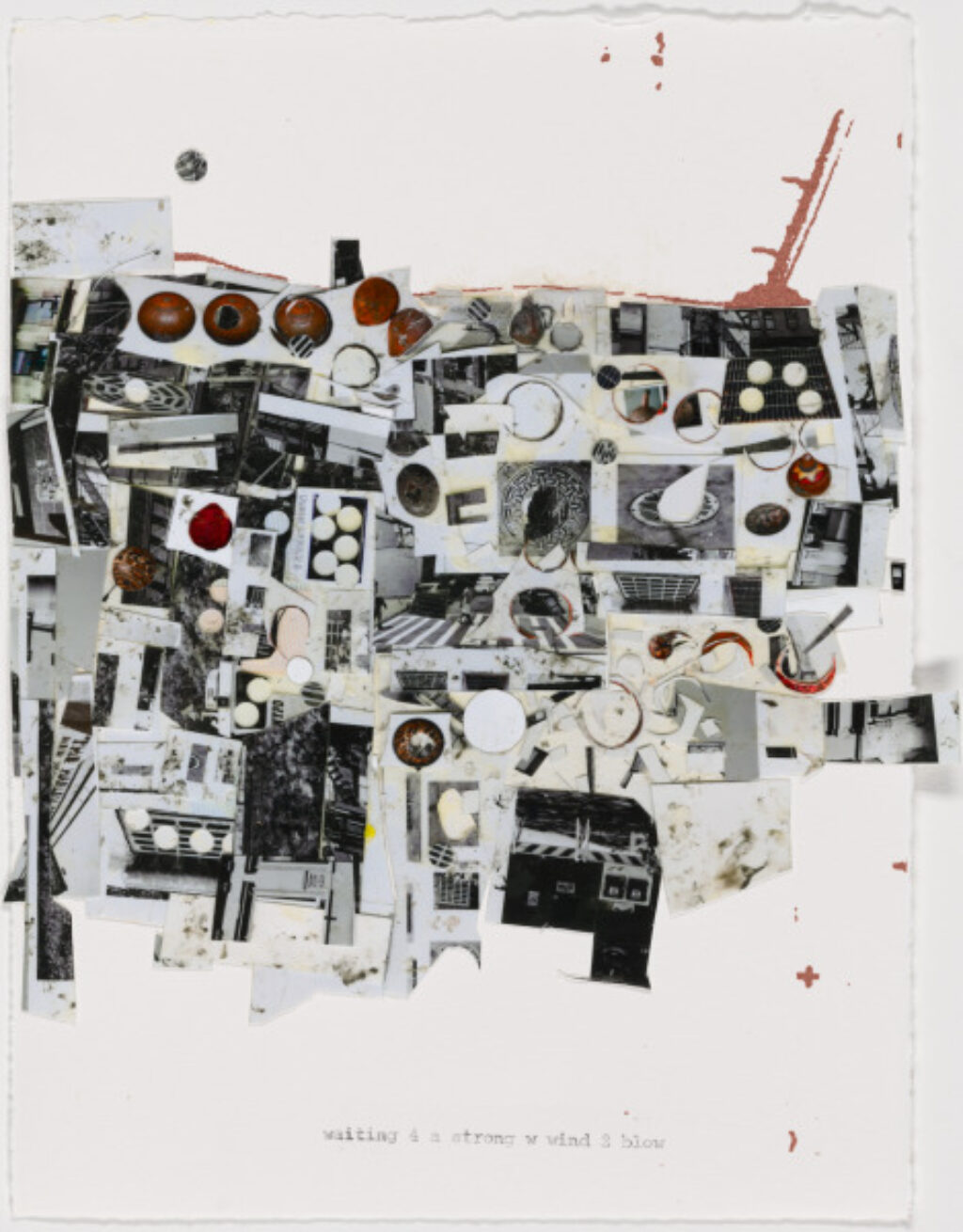
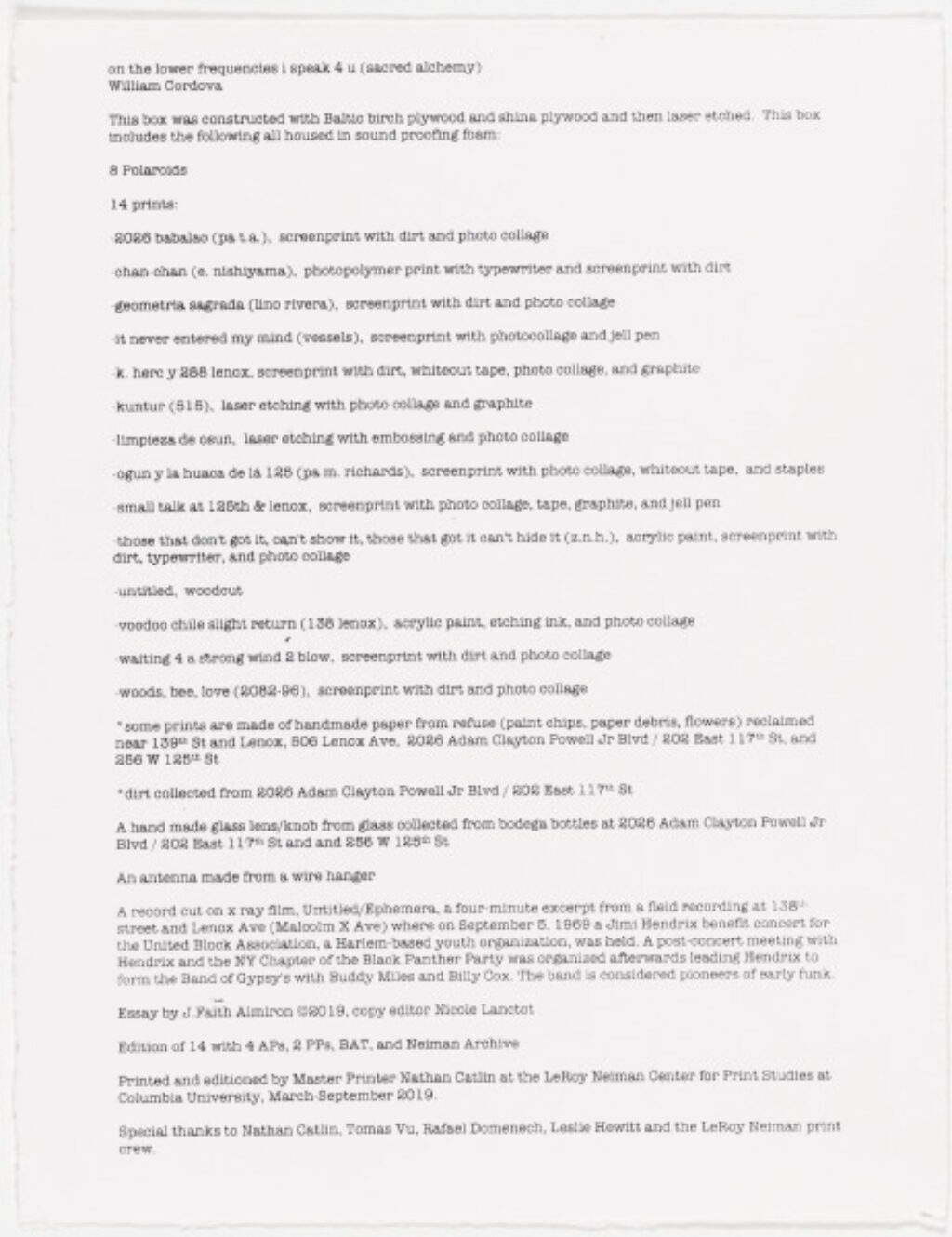
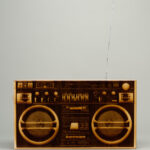
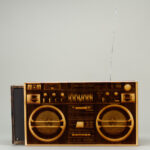
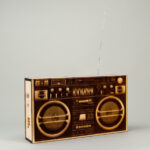
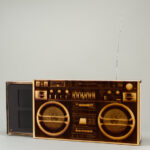
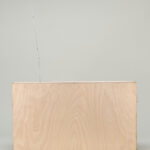
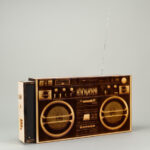
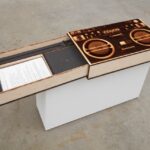
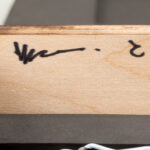
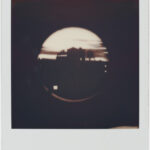
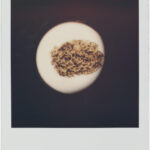
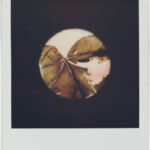
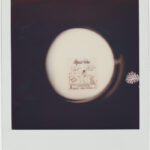
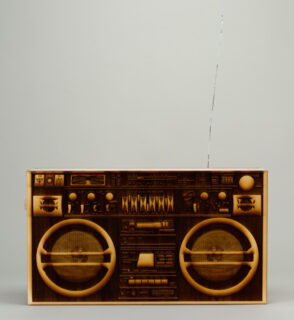
Laser-etched baltic birch and shina plywood box containing: foam, wire hanger "antenna", glass lens made from recycled bottles, audio recording cut on found x-ray film, 8 internal dye diffusion prints (polaroids), and 14 mixed-media prints (screenprint, laser etching, photopolymer, woodcut, blind embossing, color photograph collage, typewriter ink, gel pen, graphite, acrylic paint, wite-out tape, staples, dirt), Various dimensions
Credit Line
Women's Committee Acquisitions Endowment for Contemporary Prints and Photographs
Object Number
2021.27
From BMA exhibition "on the lower frequencies i speak 4 u", May 15-October 2, 2022
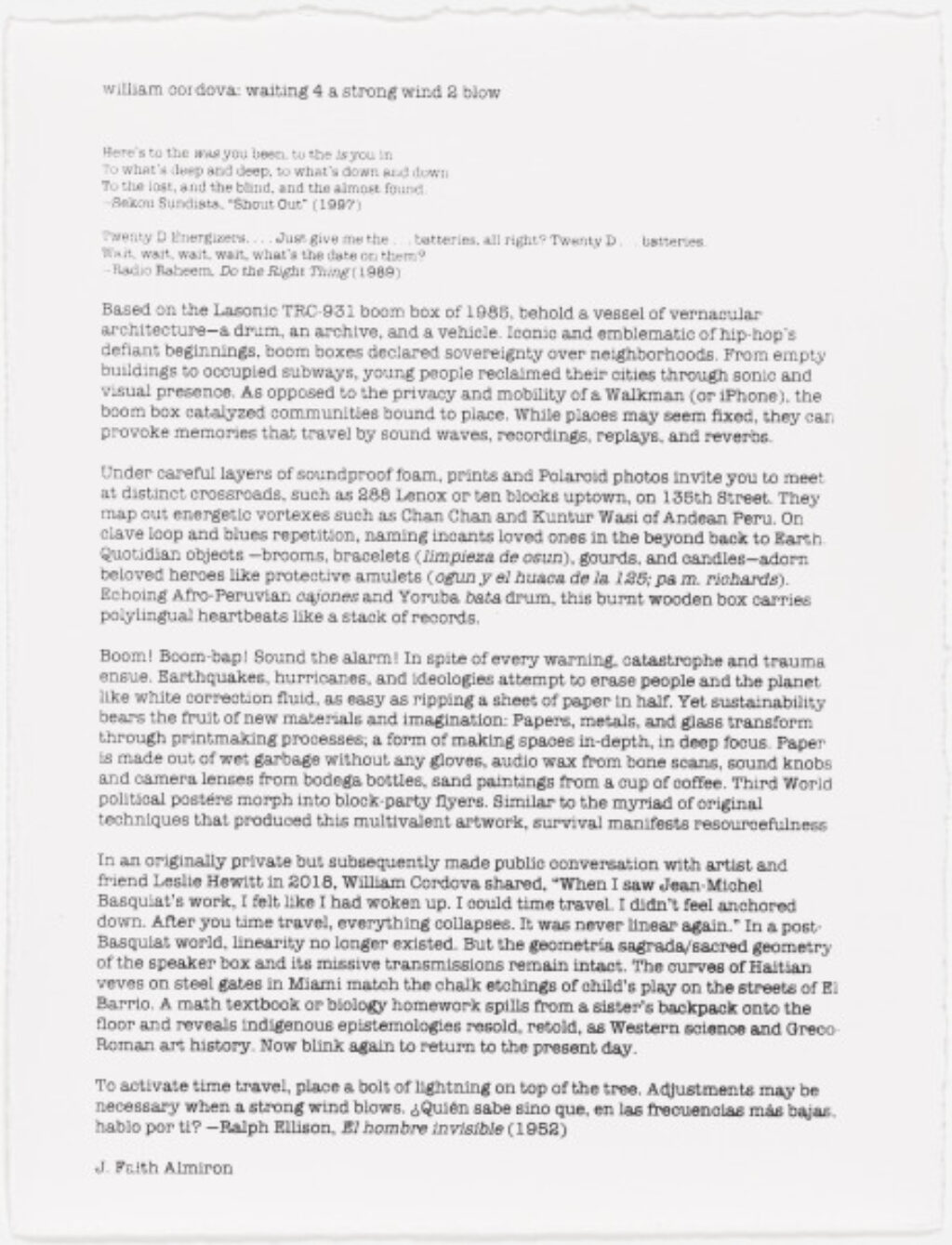
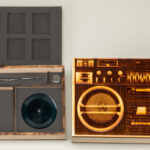
Wall text: Within this wooden recreation of his teenage boombox, William Cordova (born Lima, Peru 1969) has gathered memories of Harlem, New York City. The sculptures, Polaroid photographs, and prints that comprise this 2019 work, entitled on the lower frequencies i speak 4 u, explore this neighborhood while suggesting the difficulty of holding onto its past. Harlem becomes the center of a network of references: to individuals, places, and narratives significant to the artist; to the Civil Rights Movement; and to late 20th century culture. Each reference is embedded with diverse forms of social memory.
Place is subject matter and material in this work. Cordova integrates soil from specific sites into his printing inks. He records the sound of a street corner onto an X-ray record. A gold chain becomes a printing tool. These experimental techniques reflect his lasting interest in the improvisation of Afro-Caribbean, funk, and hip-hop music. These connections highlight important commonalities between Latin America, Black Harlem, and Spanish Harlem as sites of activism and individual expression.
The piece’s title comes from the epilogue to Ralph Ellison’s1952 novel The Invisible Man. The book, largely set in Harlem, describes one man’s lifelong struggle to establish a sense of identity as a Black man in white America. With imagery of Peruvian decorated gourds and sacred geometries, Cordova also draws upon his own Peruvian heritage and roots in Indigenous culture and ethnography. Like Ellison’s novel, this artwork probes the means of self-expression that can make a message heard.
Object labels:
*Laser-etched Baltic birch plywood and shina plywood box, lined with soundproofing foam
Antenna made from a coated wire hanger
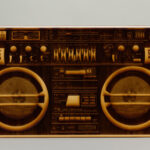
Cordova used a combination of lasers and blowtorches to burn the characteristic features of a Lasonic TRC-931 boombox into this work, recreating the gritty aesthetic he associated with New York City. Boomboxes claimed space and communicated pres- ence; their thumping bass became the heartbeat of the streets. The wire hanger references a once-popular DIY solution for am- plifying reception if the player’s original antenna broke. This work is an homage to the experience of Harlem prior to its current gentrification as well as to its broader cultural significance.
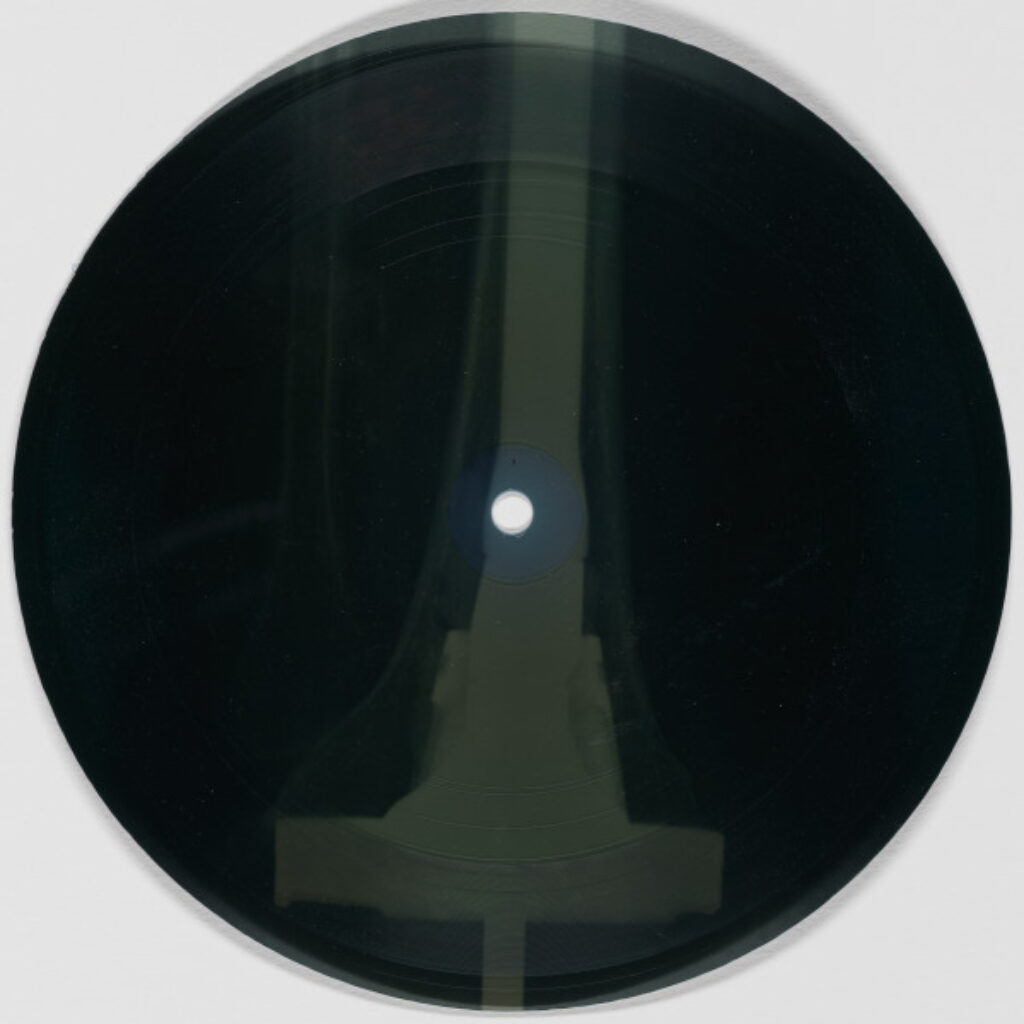
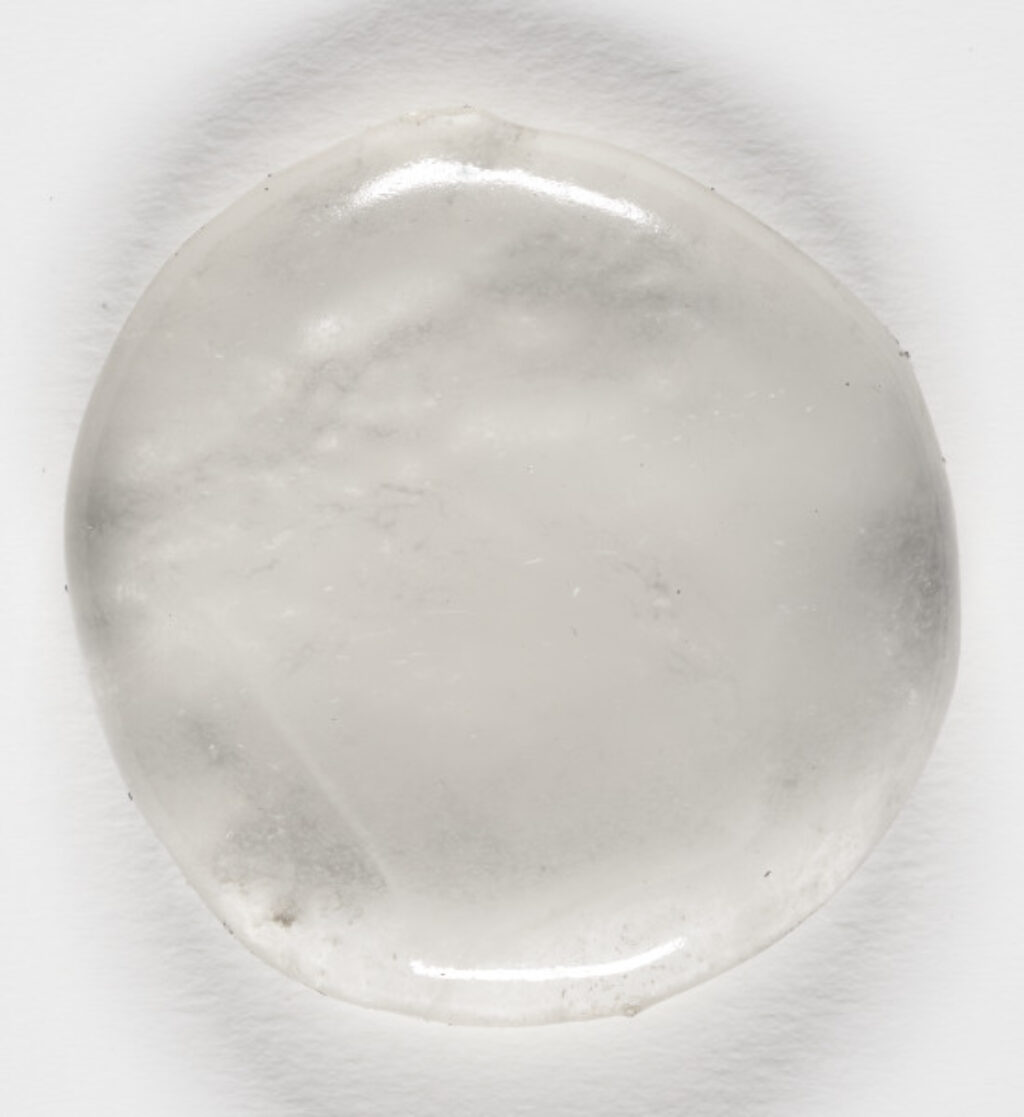
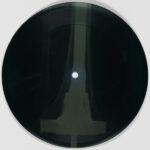
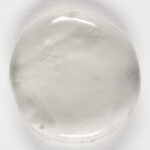
*Handmade glass lens/knob made from recycled bottles Audio recording cut on found X-ray film (4 min)
This fragile yet functional record plays street sounds from
139th Street and Lenox Avenue (Malcolm X Boulevard) in New York City, the site of a 1969 Jimi Hendrix benefit concert for community improvement hosted by the United Block Association. Afterwards, Hendrix met with the New York City chapter of the Black Panther Party, who provided security for the event. This meeting inspired the musician to record his first live album—a genre-defining moment in the history of funk rock.
Cordova encoded his field recording on anonymous X-rays obtained from a Harlem hospital. This record pressing technique was used in the Soviet Union to evade censorship of Western music. The lens, which imitates the boombox’s sound knob, represents an eye or portal made from broken glass. Such fusion of sight, place, and sound is central to the work, embodying Cordova’s layered approach to counter-cultural
and material history.
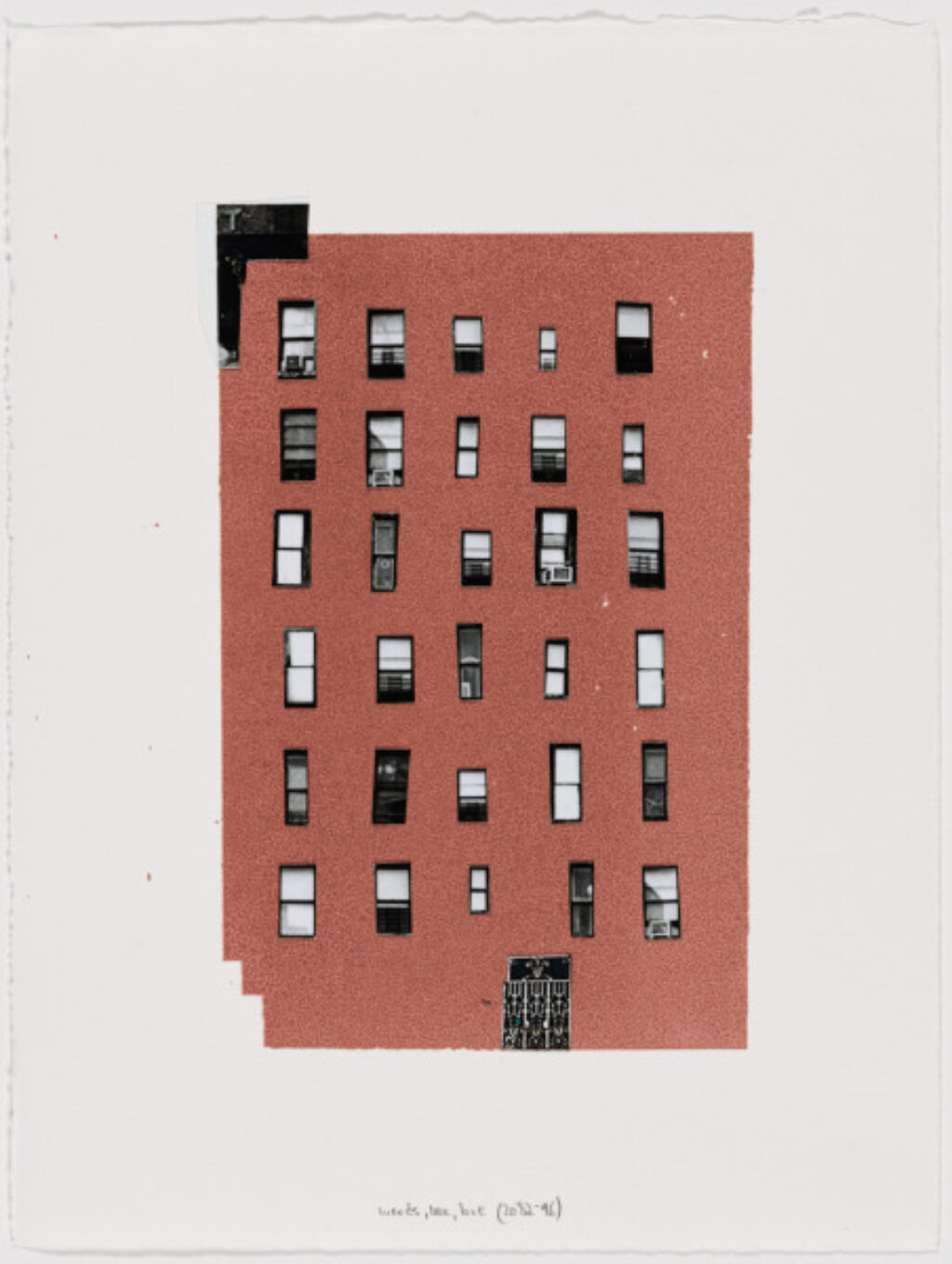
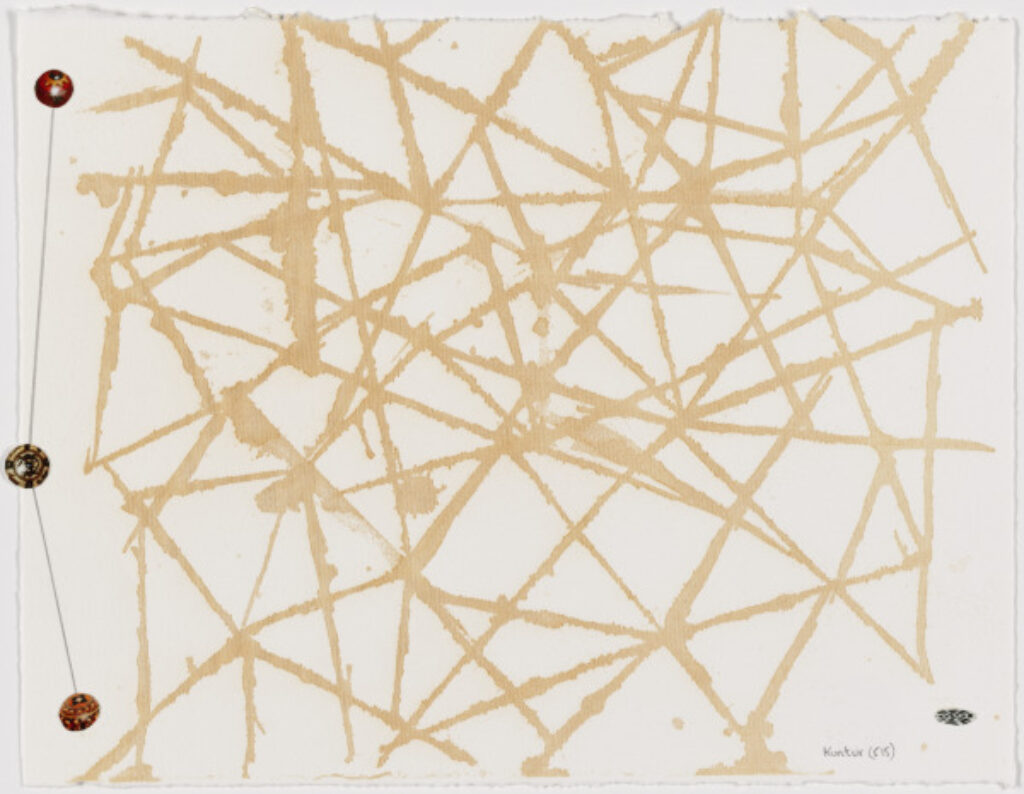
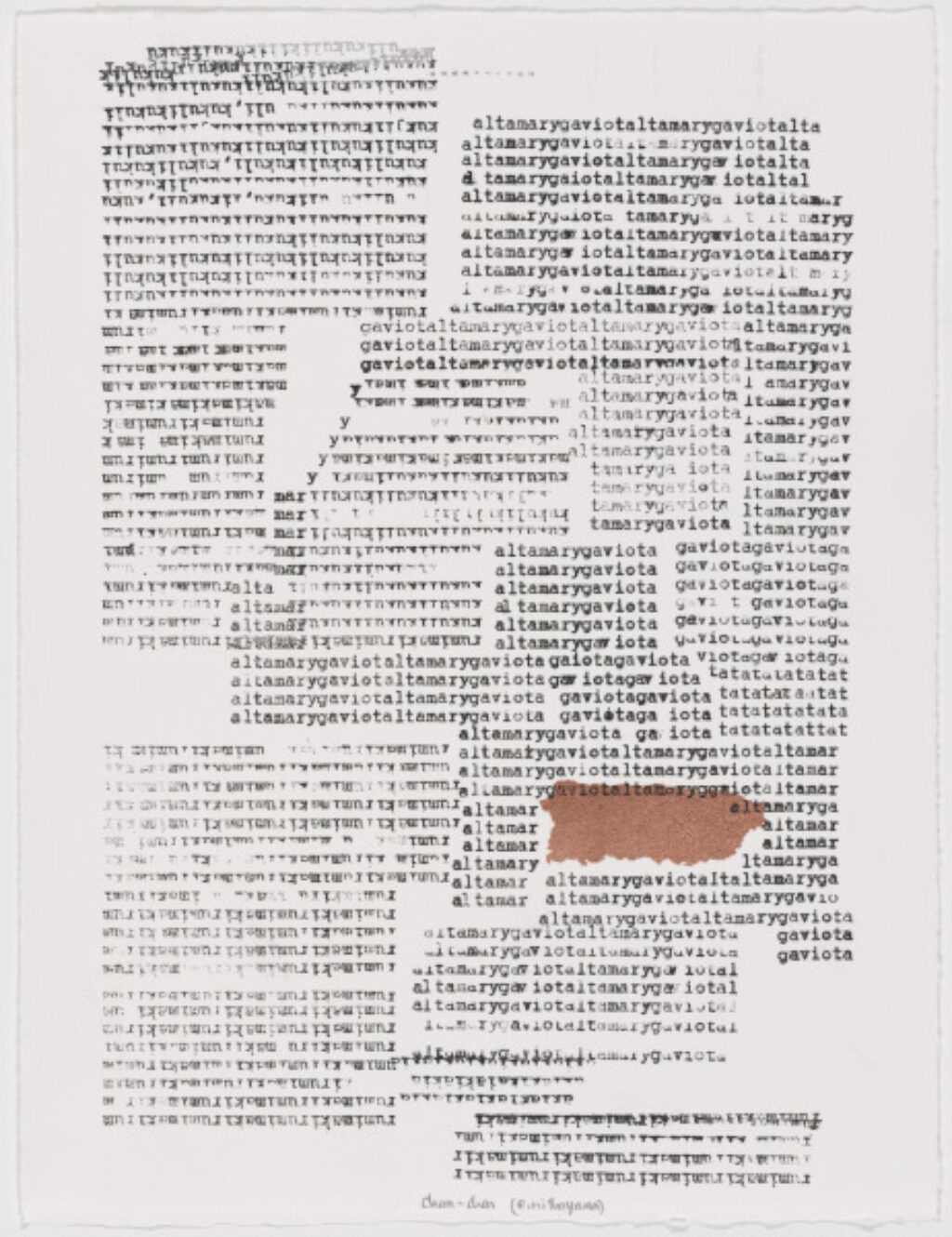
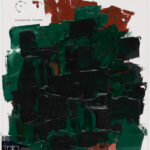
*15 mixed-media prints (including screen print, acrylic paint, etching ink, laser etching, woodcut, blind embossing, collage of cut inkjet prints, typewriter [ink], photopolymer relief, gel pen, graphite, white correction tape, pressure sensitive packing tape, staples, dirt)
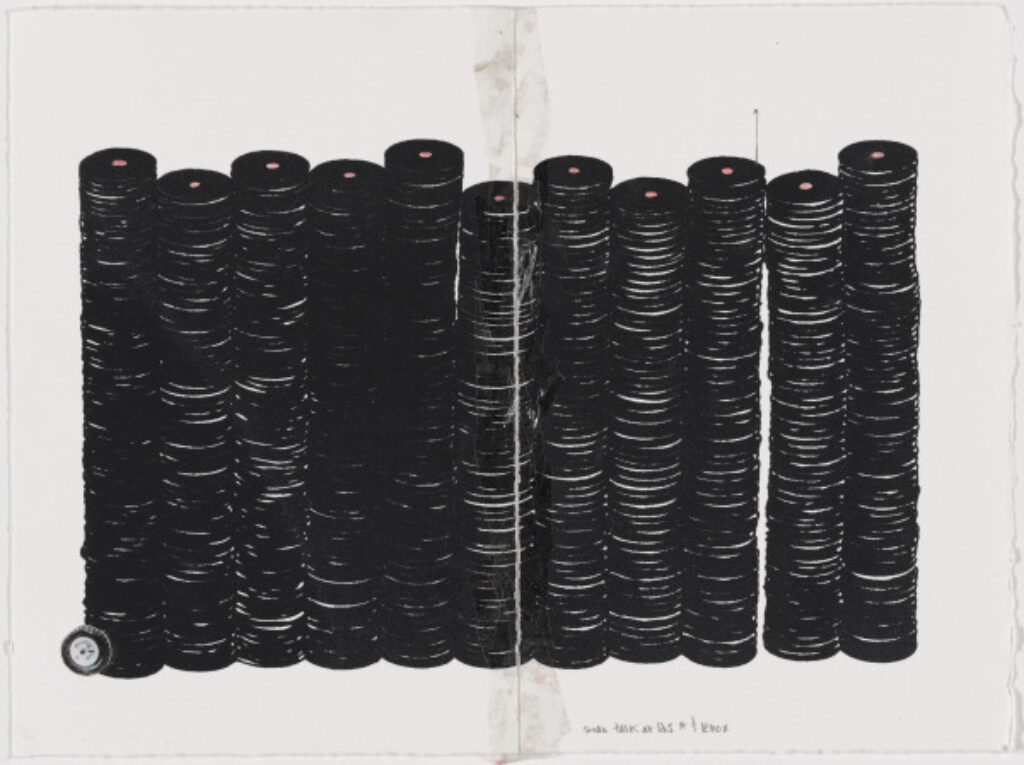
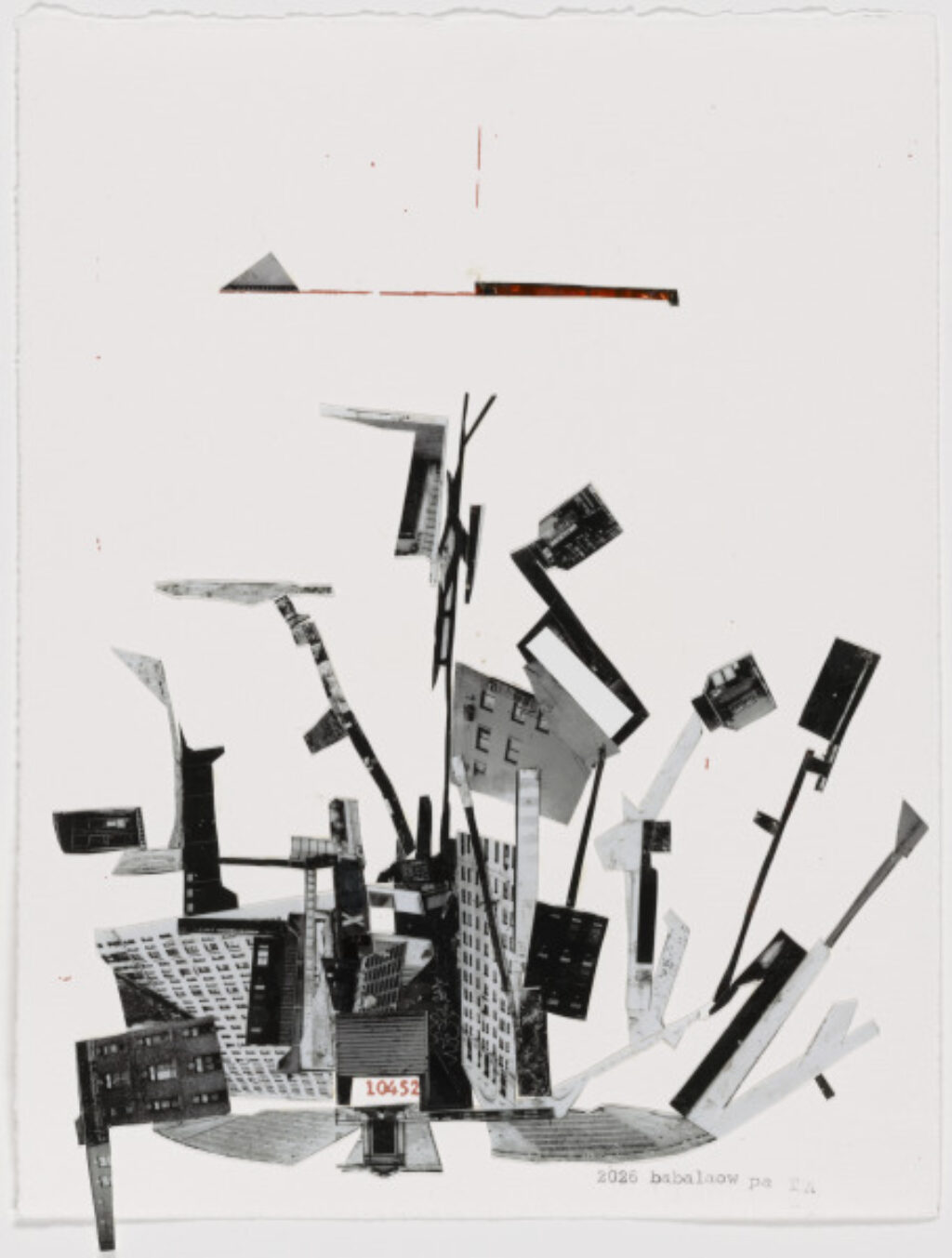
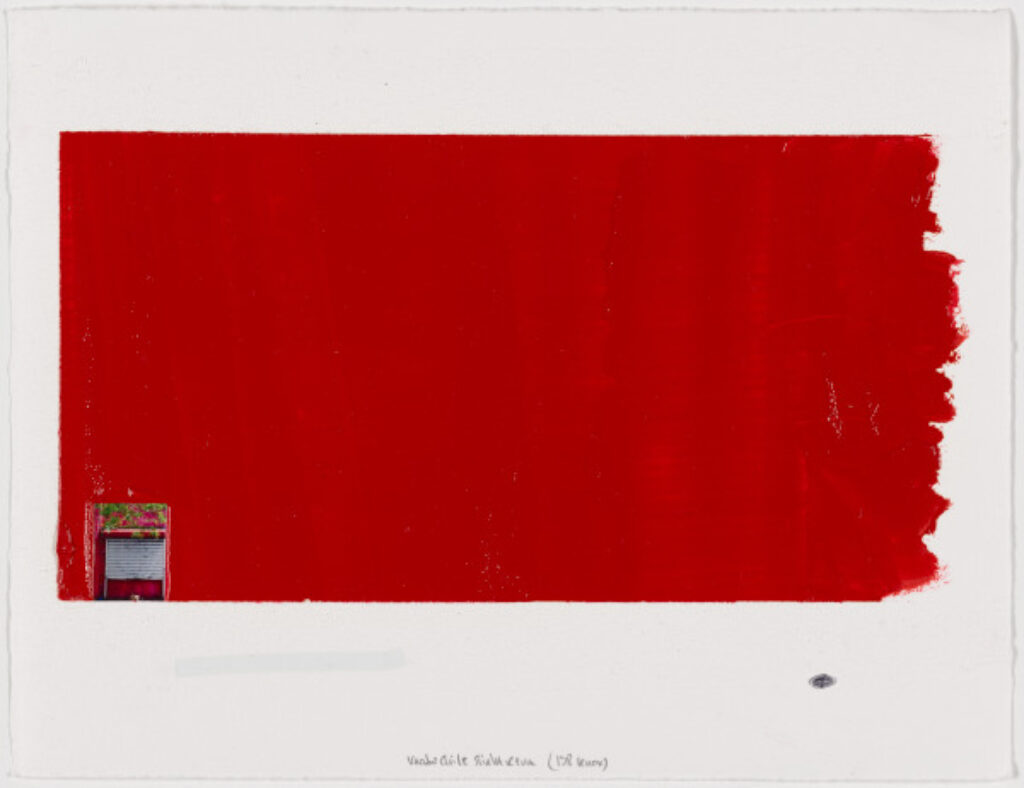
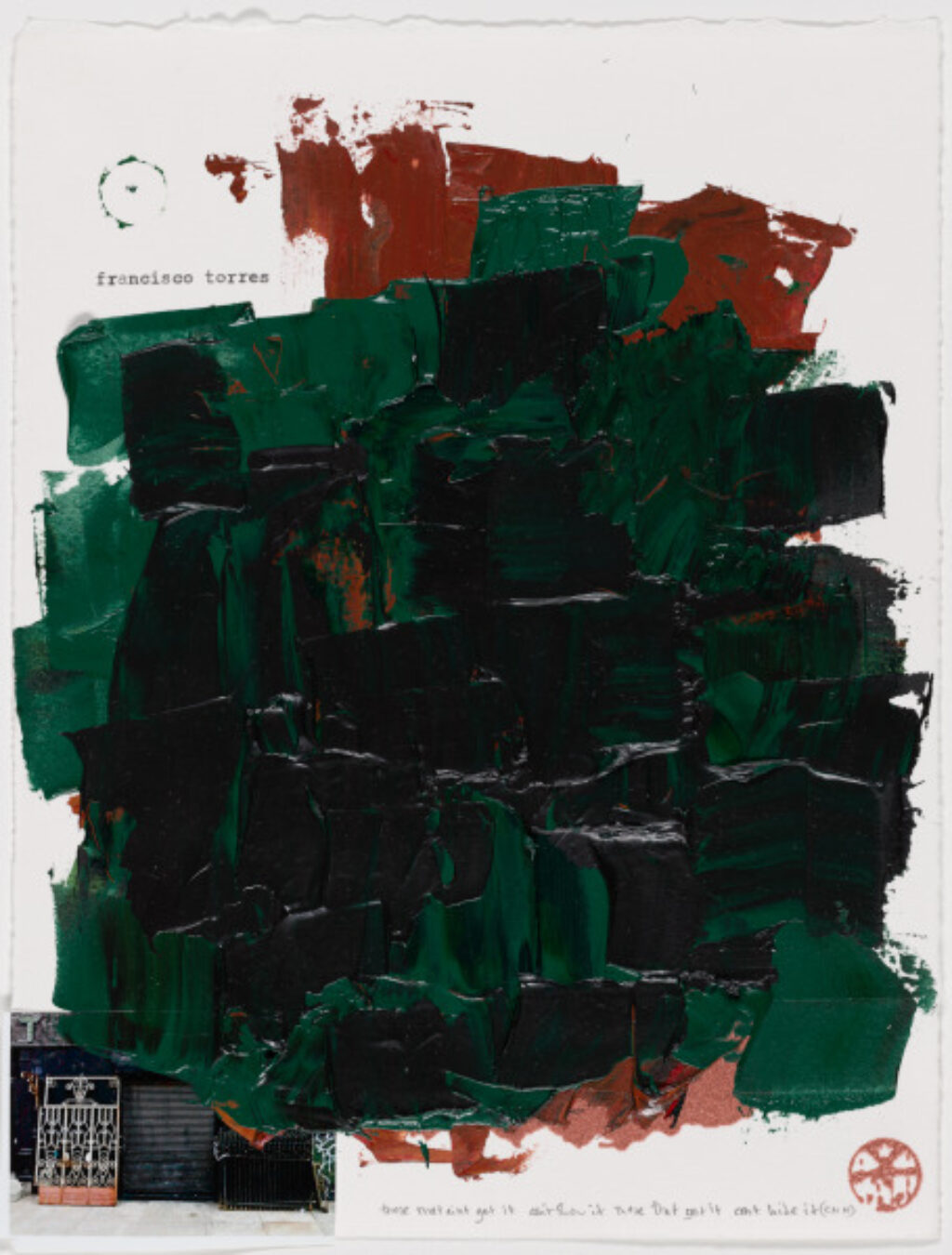
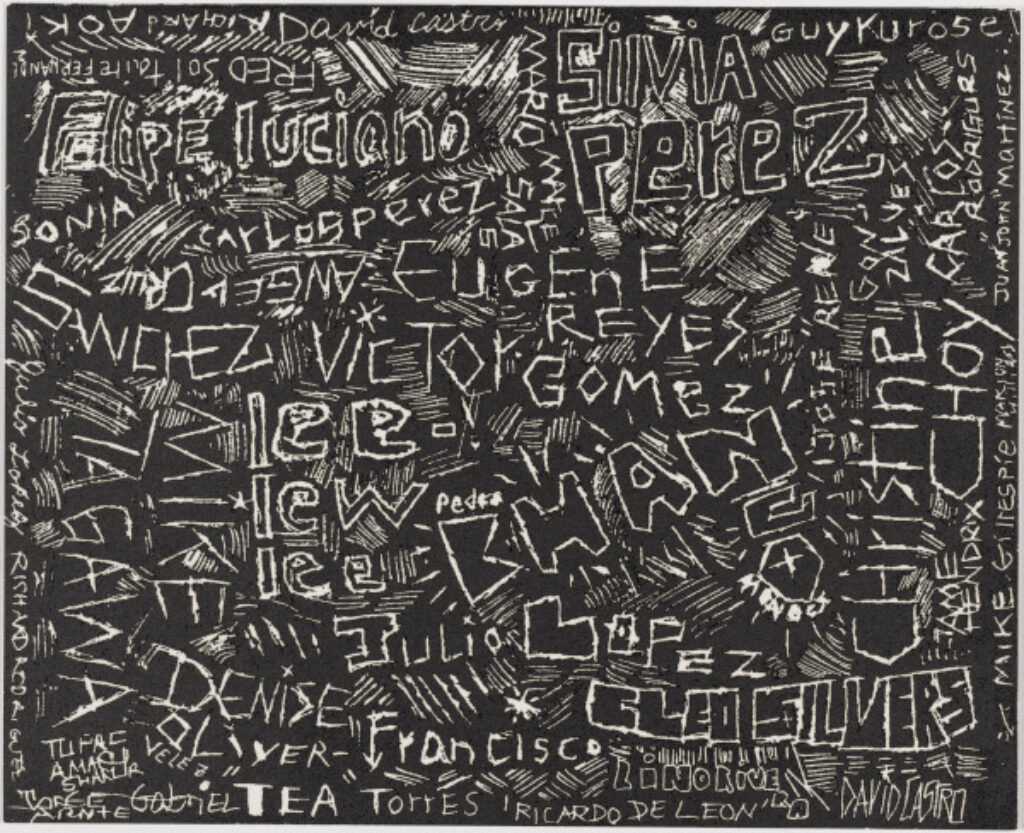
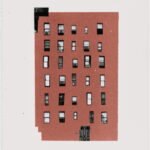
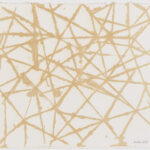
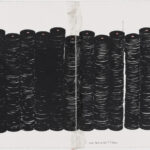
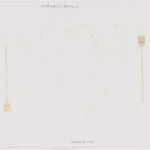
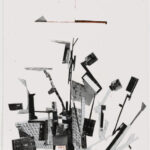
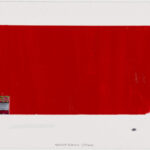
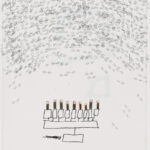
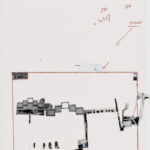
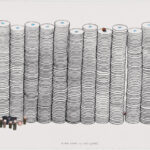
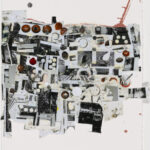
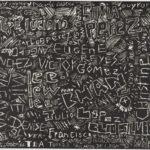
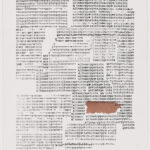
Cordova’s innovative prints, many of which use unexpected materials like office supplies, are part of the artist’s attempt to illuminate and preserve the legacy of Harlem. People and places significant to Harlem history are incorporated throughout, including references to Black and Brown Black Panther Party members and Lino Rivera, a Puerto Rican teenager whose altercation with police provoked Spanish and Black Harlem communities to jointly protest police brutality in New York.
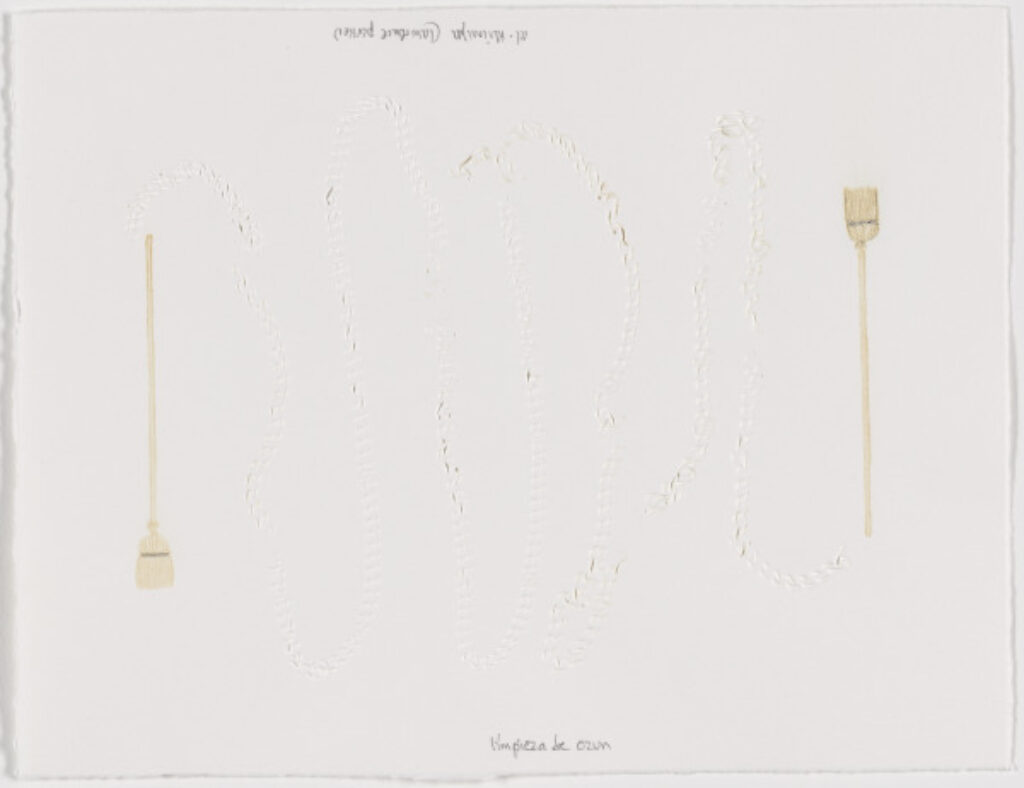
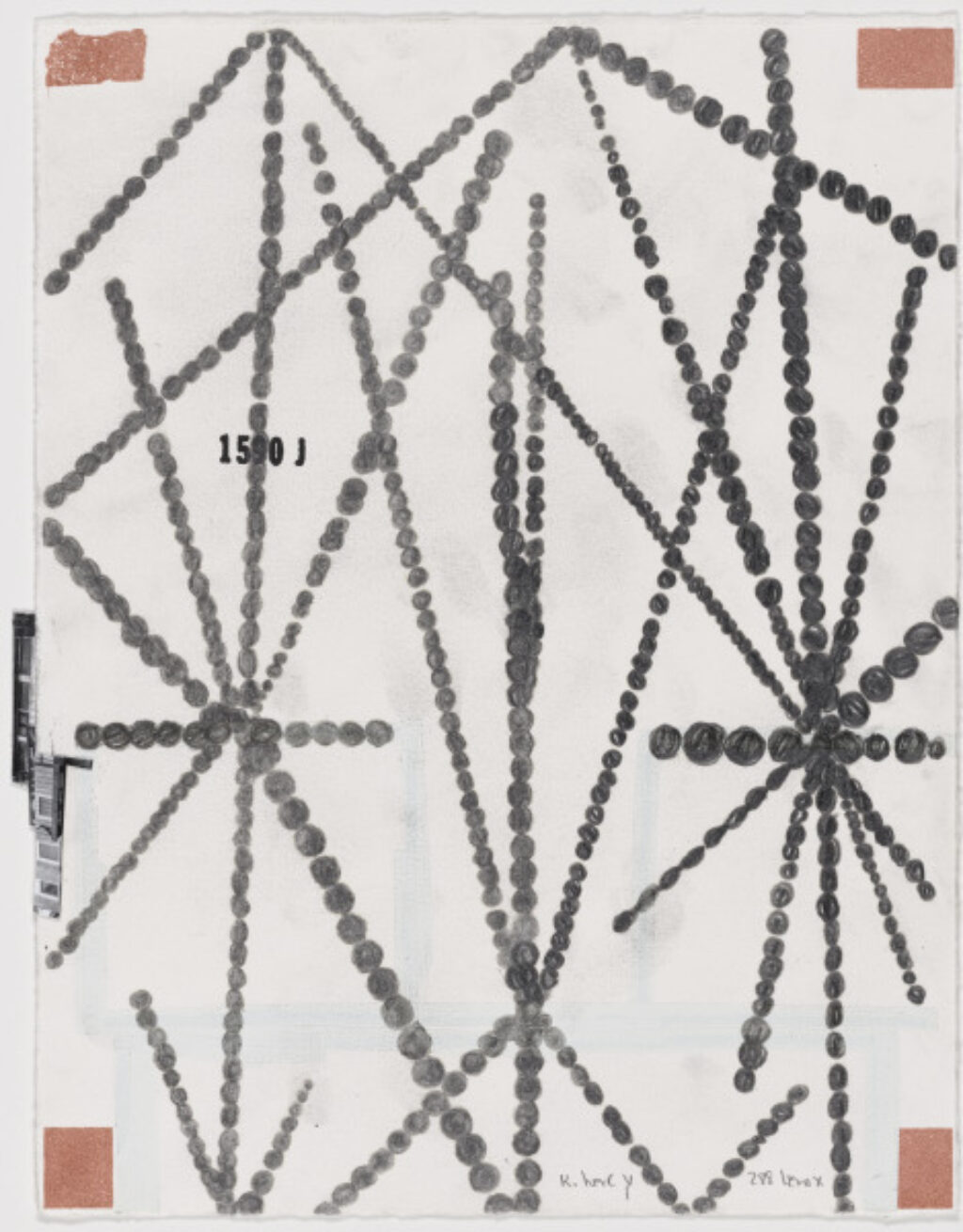
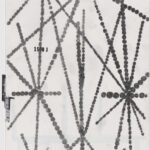
Cordova’s references encompass contemporary literature, film, and music, as well as ancient architecture. The print entitled Kuntur (515) mimics the topography of a sacred Peruvian archeological site. Circular sewer covers, a motif of the underworld in Ellison’s The Invisible Man, are collaged throughout. Another print, titled Small Talk at 125th & Lenox, celebrates the landmark 1970 album by Black jazz poet Gil Scott-Heron. Other prints celebrate Yorùbá deities including Ogun, the god of war, and Osun, the embodiment of love, sensuality, and femininity.
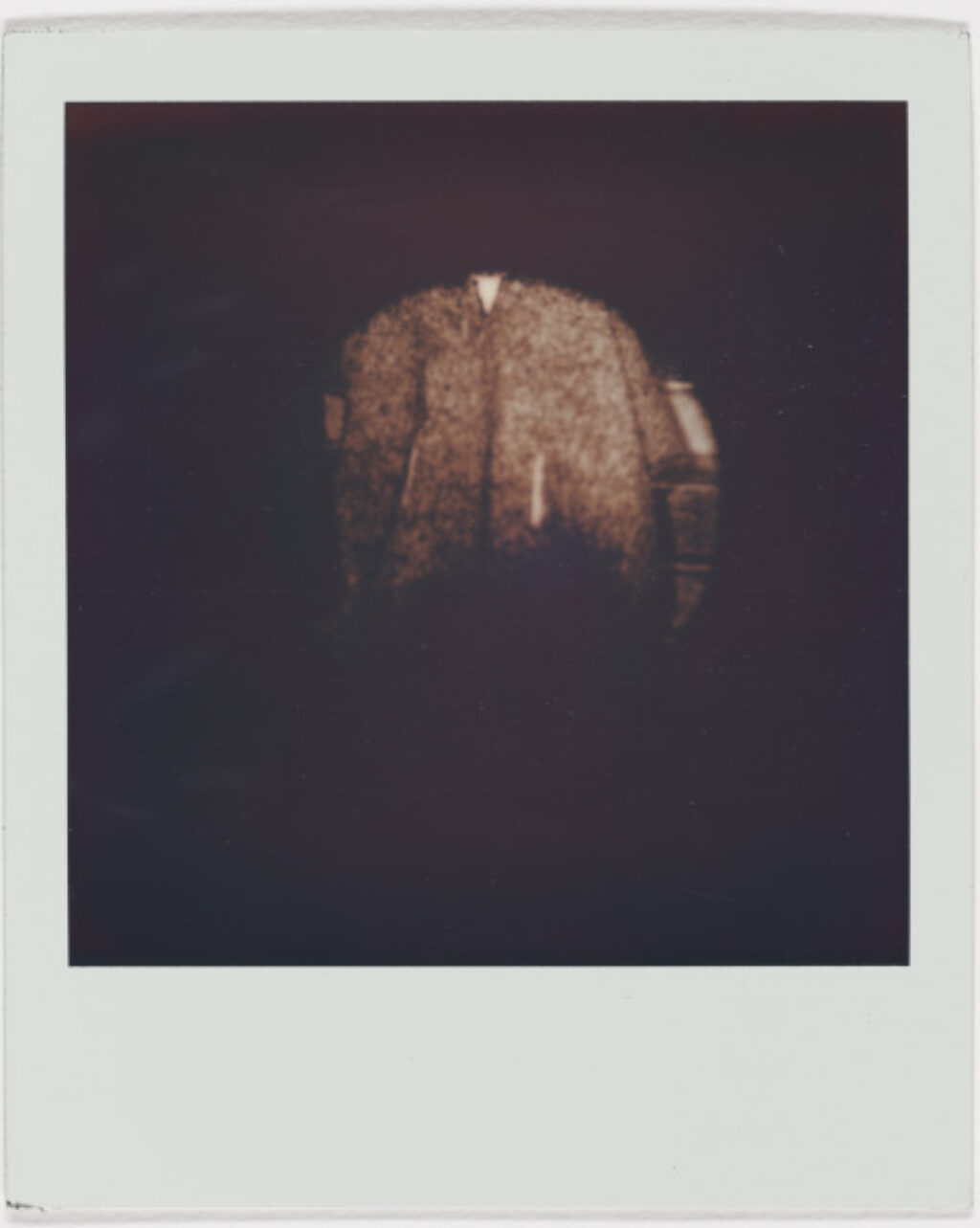
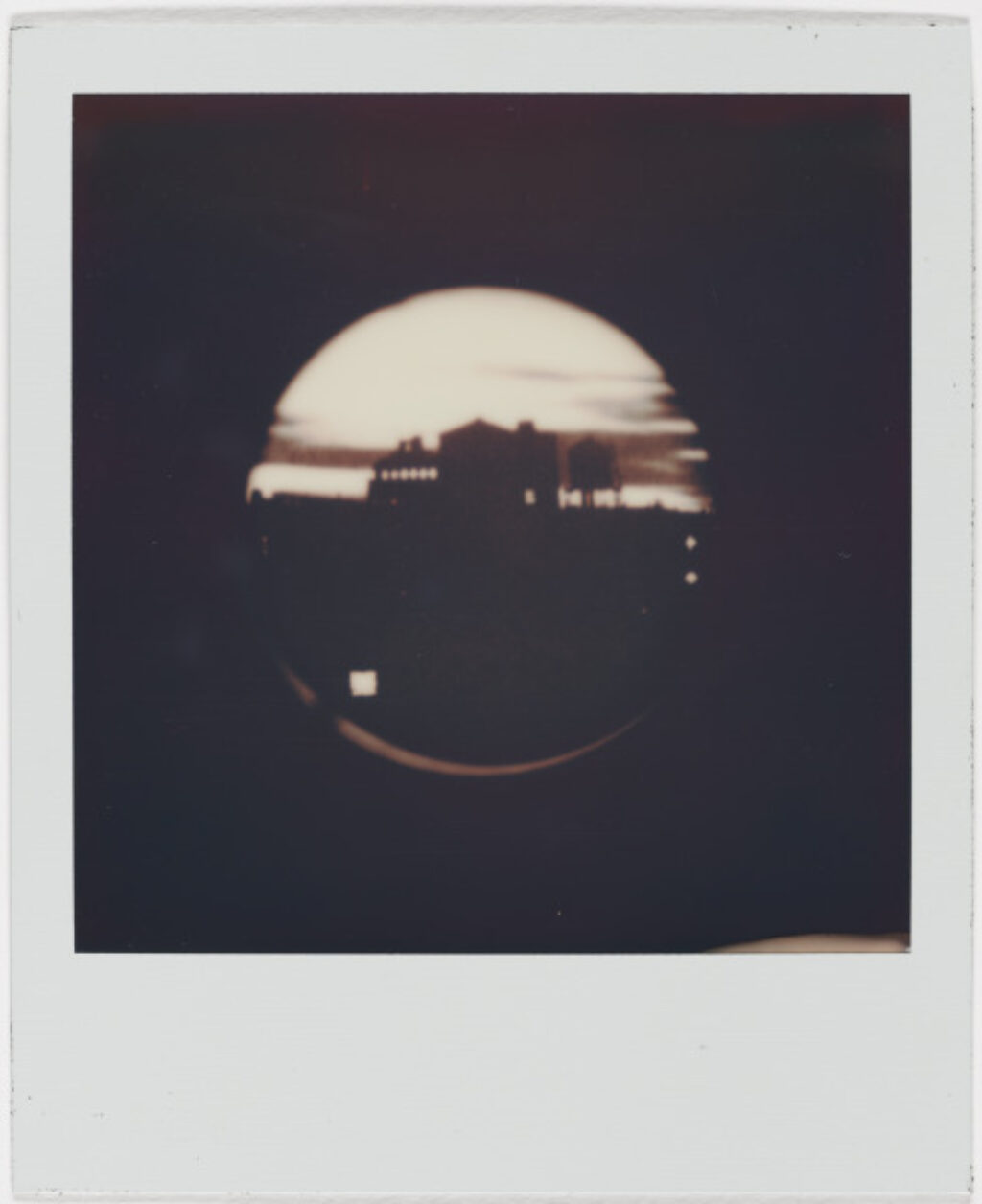
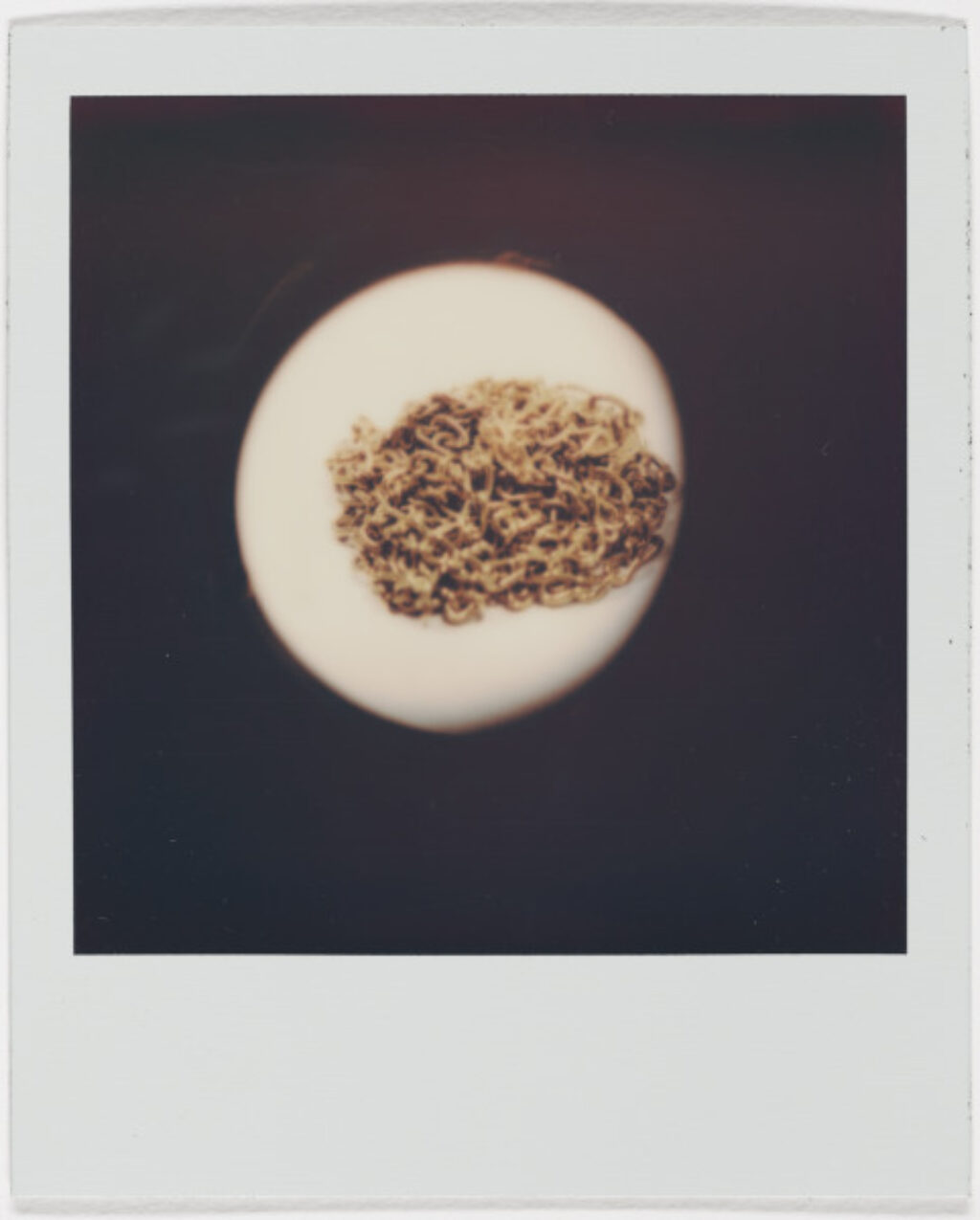
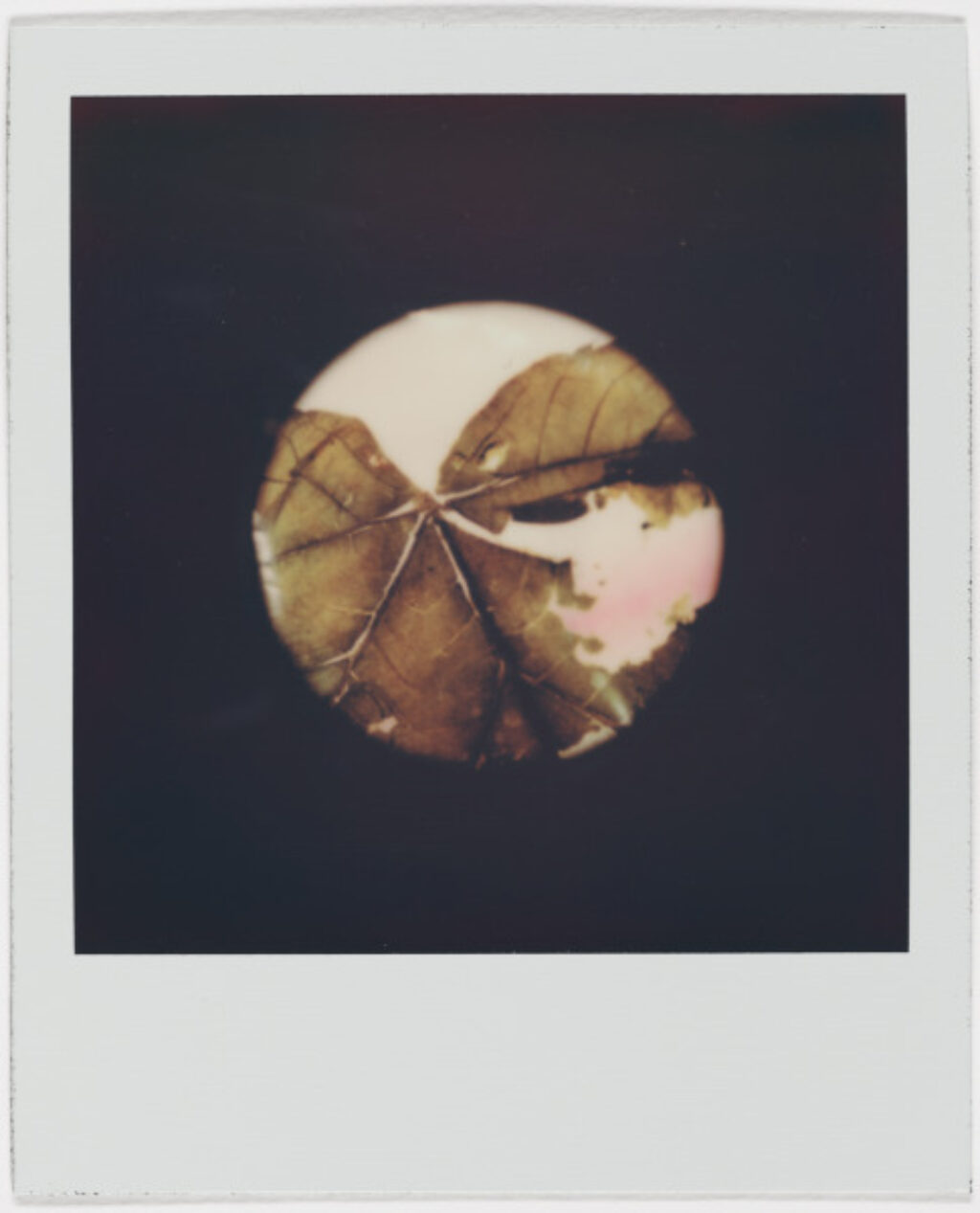
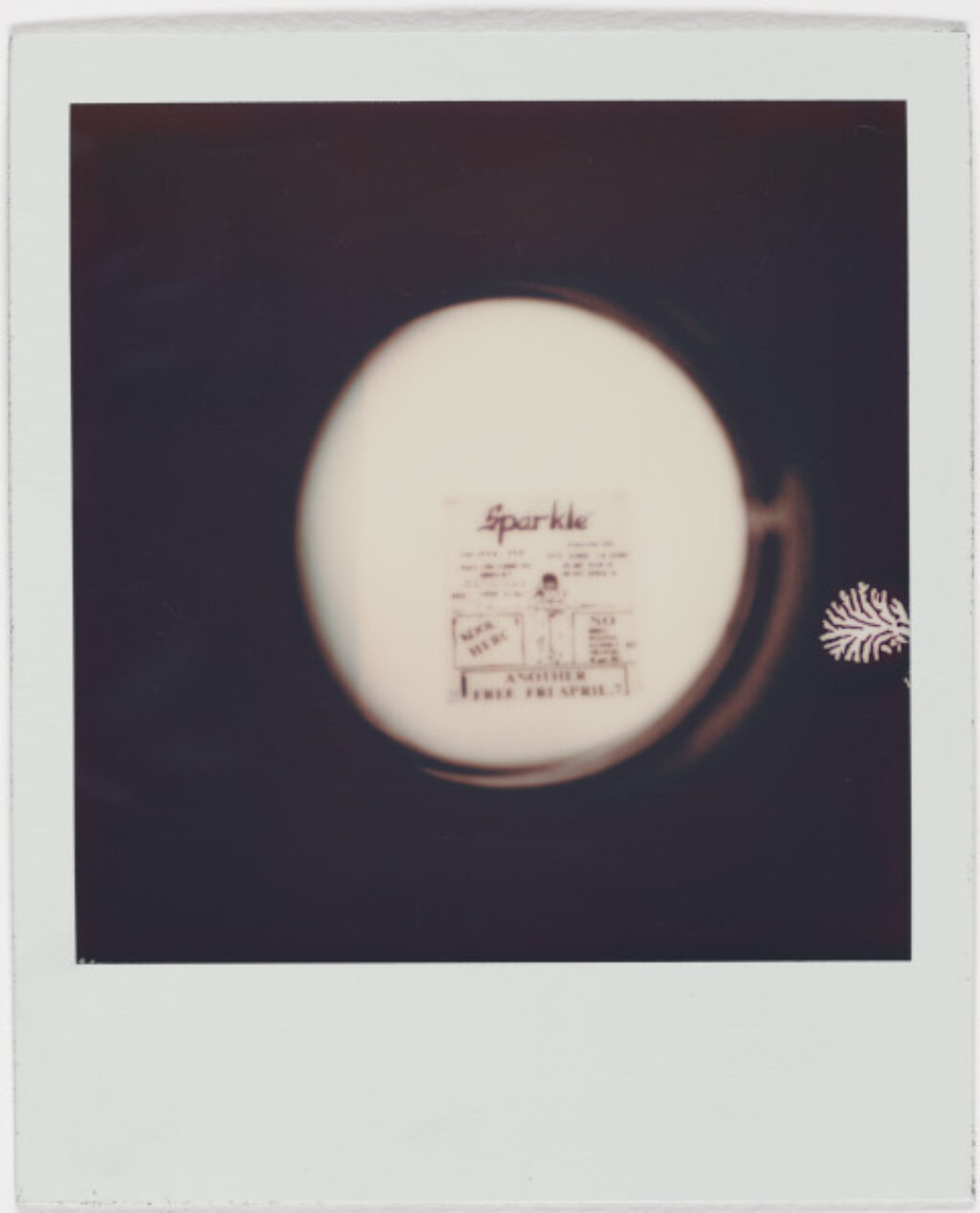
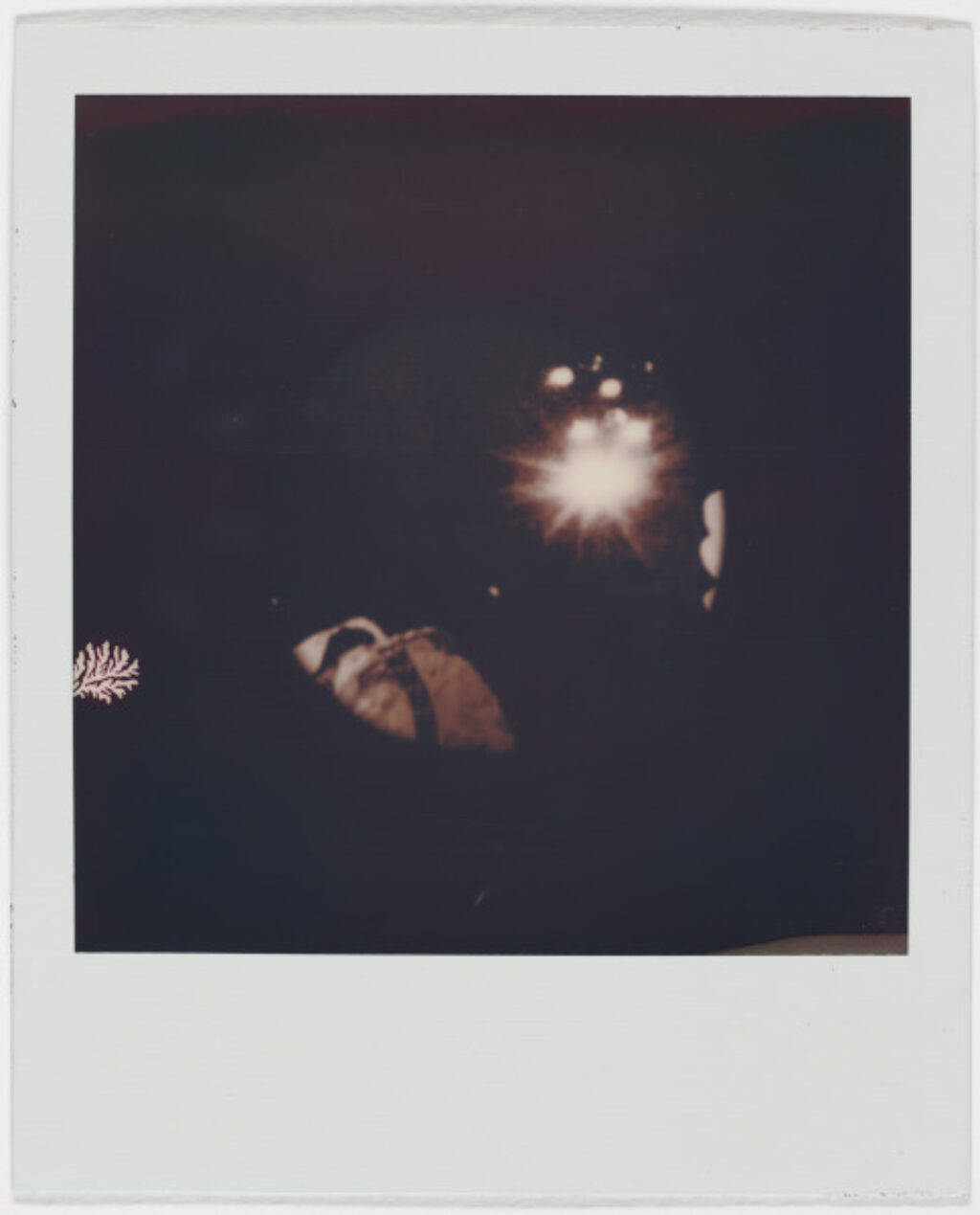
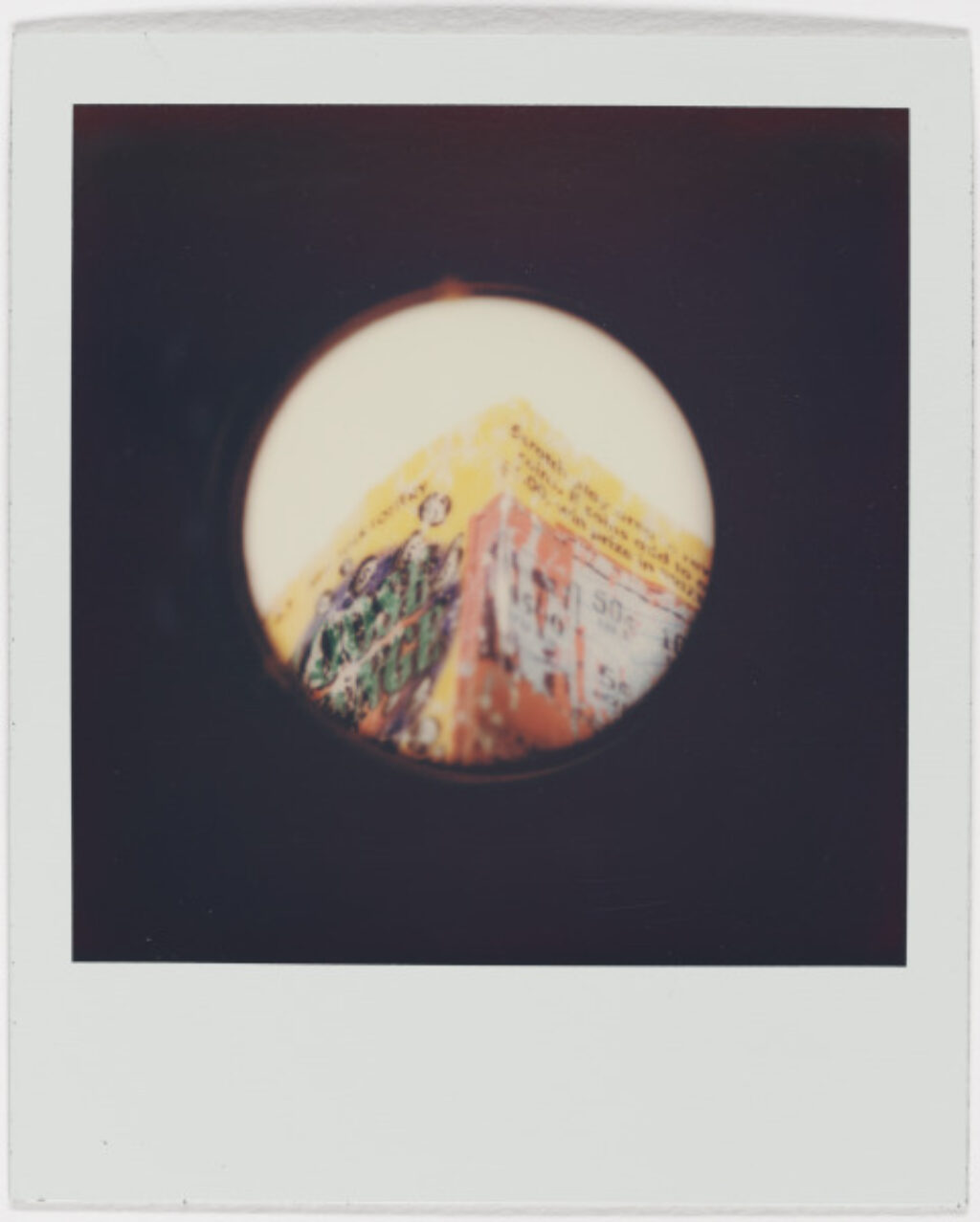
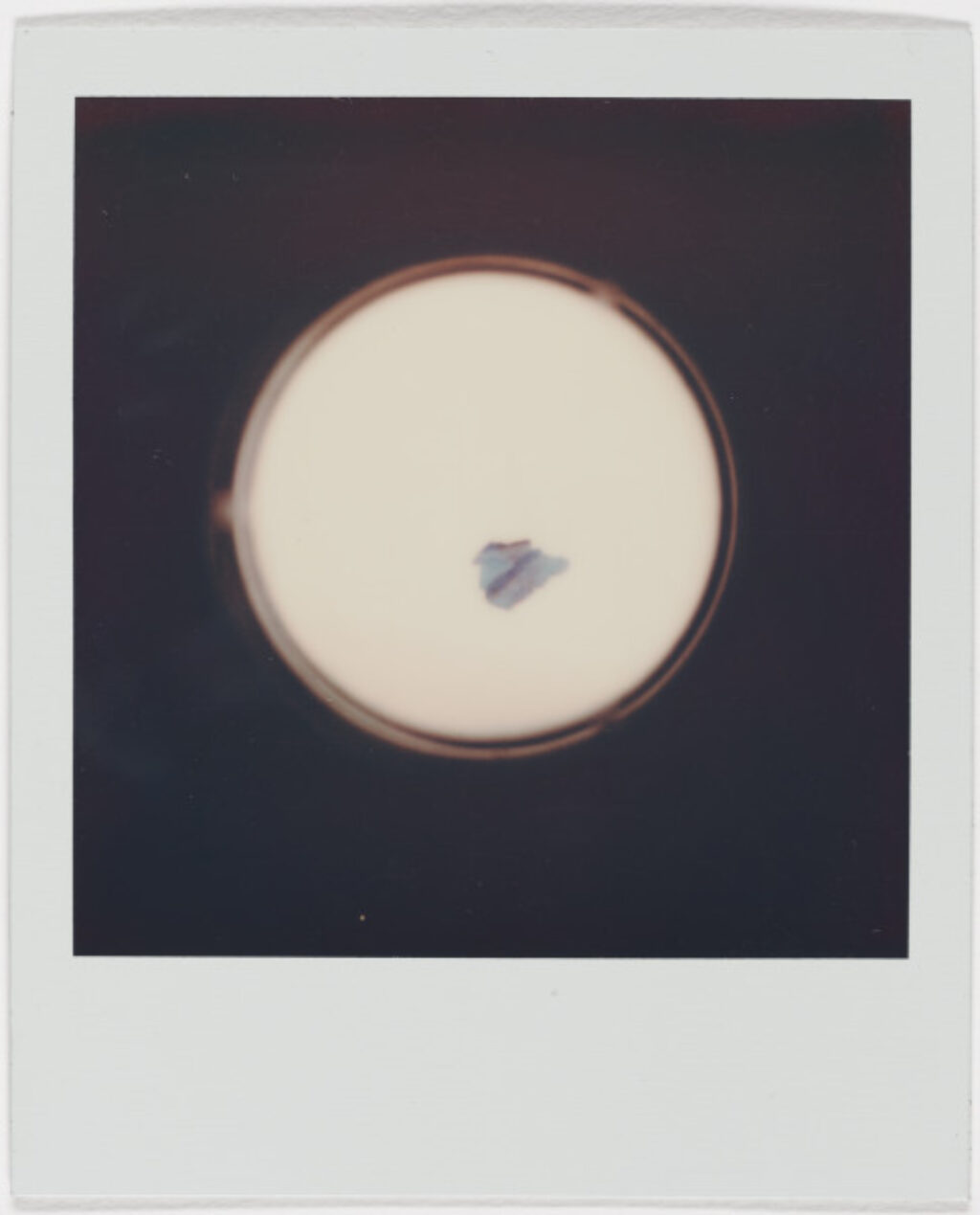
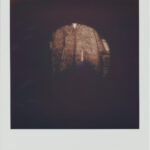
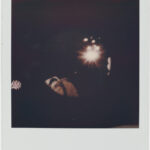
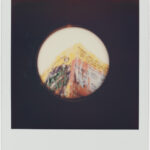
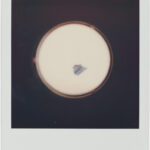
*8 internal dye diffusion prints (Polaroids)
Cordova used a Polaroid camera he adapted with a make-shift lens to photograph ephemera such as a lottery ticket, an old concert poster, and decaying leaves found on the streets of Harlem. Before it was ground down by a printing press, the gold chain photographed here was used to make one of the nearby prints. Cordova often works in a seemingly contradictory manner, focusing on specific details—images and documents pertaining to people of color and the underrepresented throughout mainstream music history—while moving between the abstraction and representation of those same sources. The artist, with an insistence on acknowledging specific places, people, and moments, invites the viewer to embark on further research and join him in uncovering previously obscured histories.
Leslie Cozzi and Leila Grothe, The Baltimore Museum of Art, "on the lower frequencies i speak 4 u," May 15-October 2, 2022.