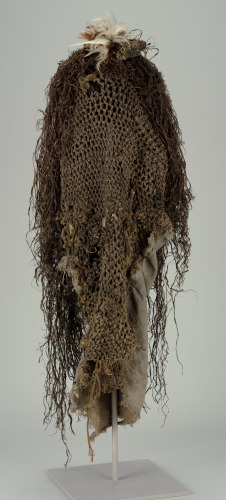
Luba
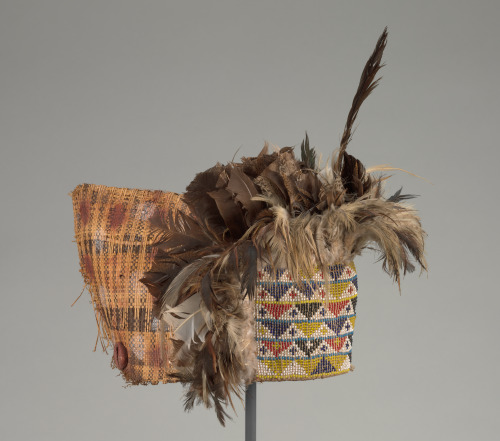
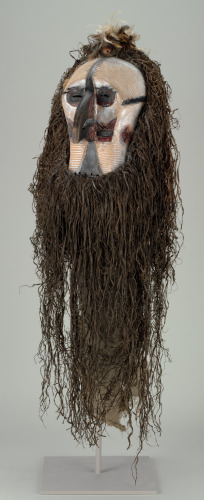
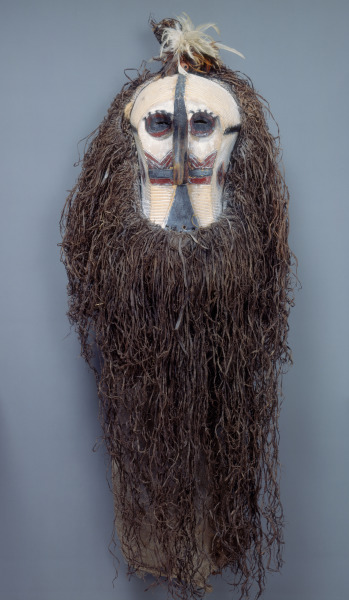
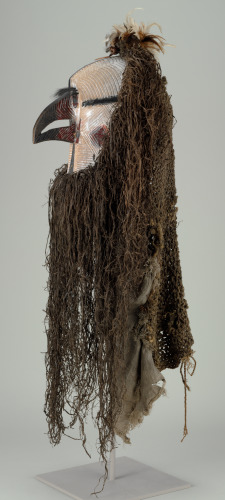
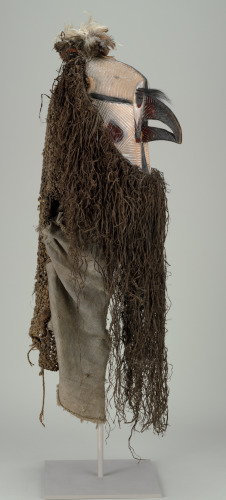
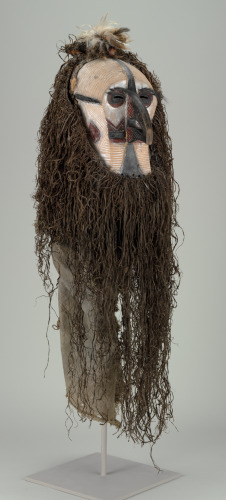
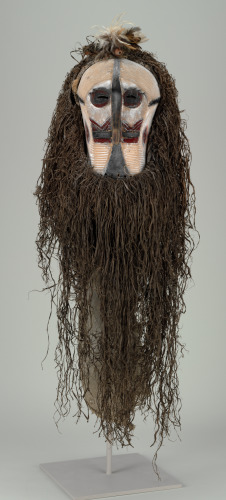
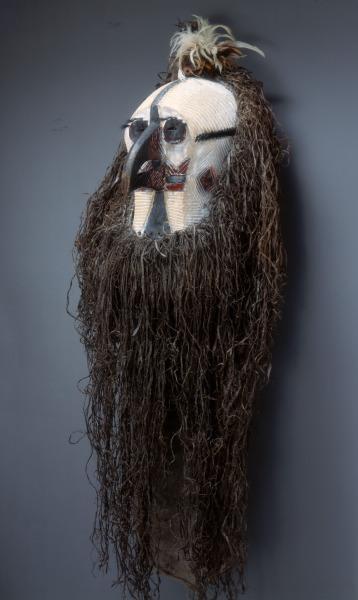
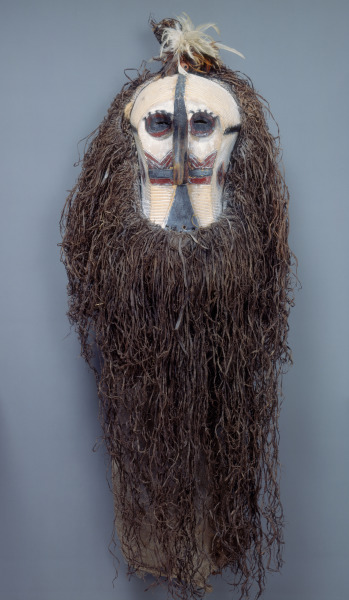
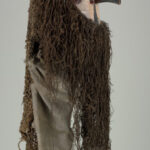
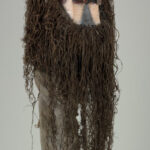
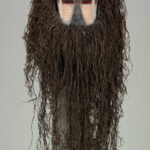
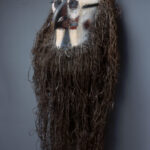
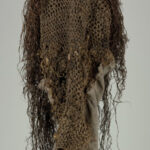
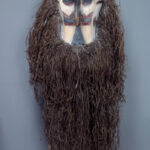
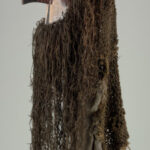
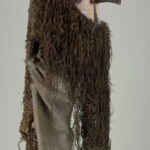
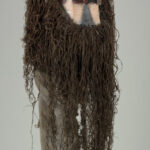
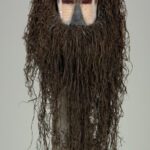
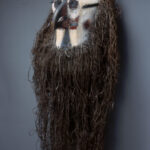
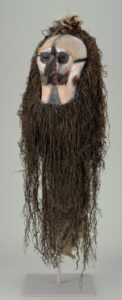
Owl Mask (Kifwebe)
Luba, 1969-1988
Scroll
Luba
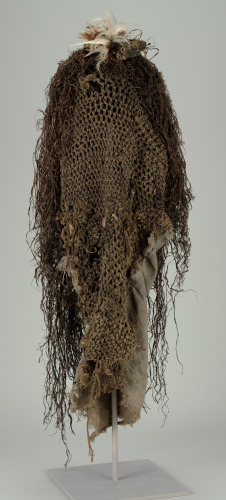
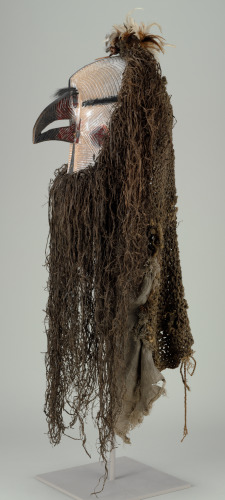
Owl Mask (Kifwebe)
Luba, 1969-1988
Physical Qualities
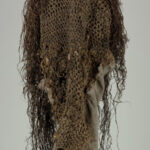
Wood, fiber, feathers, hair, nut shell, pigment, paint, 44 7/8 x 17 11/16 x 9 13/16 in. (114 x 45 x 25 cm.)
Credit Line
Gift of Barry and Toby T. Hecht, Bethesda, Maryland
Object Number
1987.144
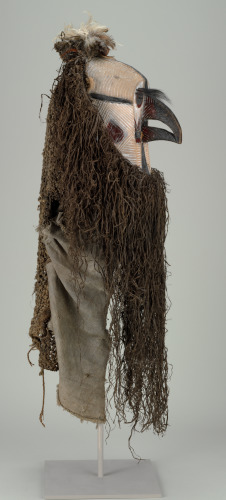
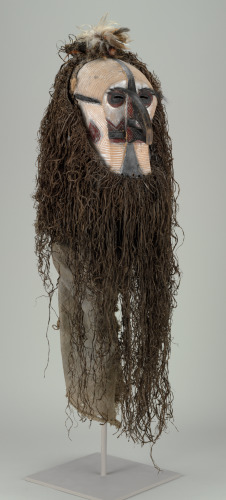
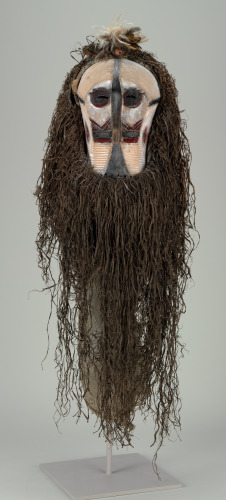
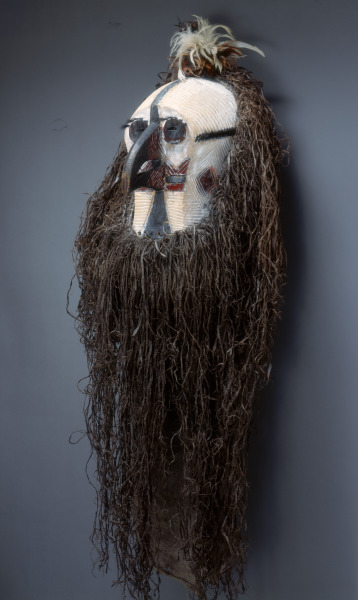
Although red and black feature prominently in the composition of this striking owl mask, it is considered by Luba to be white. White befits a healing spirit as it is linked conceptually with purity, harmony, justice, happiness, and success, as well as symbolically with the regenerative light of a new moon, the fertility of sperm, and the nurturing of mother’s milk. By contrast, black is associated with darkness, smoke, clouds, death and anti-social behavior, and red with blood, fire, courage, power, and wealth. The use of red and black accents in this work of art served to harness their power in order to combat negative forces. That this kifwebe represents an owl distinguishes it within the corpus of Luba white masks, for only five or six such masks have been documented.
ex Charles Davis, New Orleans, LA (acquired by Barry Hecht in early-to-mid 1980s)
Meditations on African Art: Color
Beyond Flight: Birds in African Art
Karen Milbourne, "Meditations on African Art: Color," Exhibition Brochure, April 18 - August 19, 2007, cover, ill.
Frederick John Lamp, "See the Music Hear the Dance: Rethinking African Art at the Baltimore Museum of Art." New York: Prestel, 2003, p.284, ill.