









Hiram Powers
Proserpine
1843
Physical Qualities
Marble, Overall (With Base): 68 × 19 × 15 1/4 in. (172.7 × 48.3 × 38.7 cm.)
Without Base: 24 1/4 × 19 × 10 5/8 in. (61.6 × 48.3 × 27 cm.)
Credit Line
Gift of Mrs. George Carey, Jr.
Object Number
1948.49
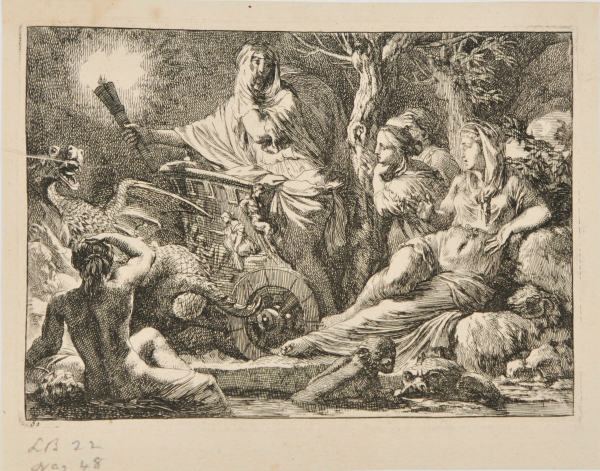
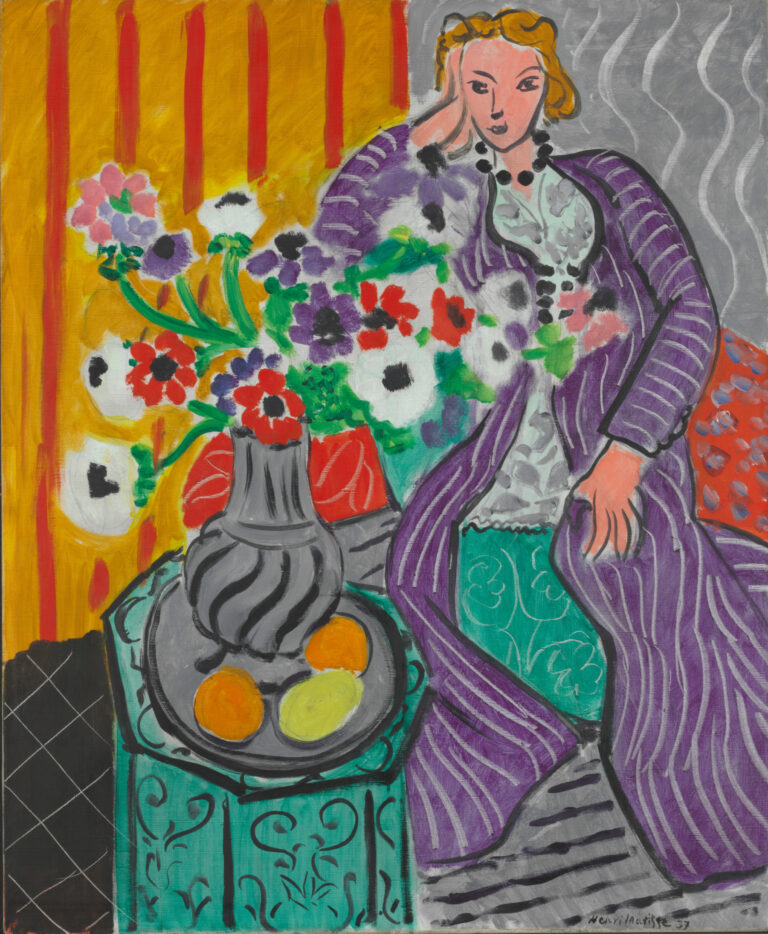
Hiram Powers' most popular sculpture depicts Proserpine, the Roman goddess of spring, emerging from her annual winter sojourn in the underworld. In ancient myth, she was abducted by Pluto, god of the underworld. Her anguished mother, Ceres, struck a bargain that allowed Proserpine to come back to earth for half the year if she would return to the cold underworld for the remainder. In this second of five versions, of which there exist multiple copies, Proserpine emerges from the barren underworld in a basket filled with acanthus leaves, suggesting the cycle of life, death, and rebirth and the changing of the seasons. Fellow sculptor Joel Tanner Hart praised the composition, crying, "I defy Antiquity to surpass - I doubt its ability to rival - Powers' Proserpine."
Baltimore Museum of Art by gift, 1948; Margaret Blow Elliott Carey (1903-1973), Maryland

 On View: American Wing Second Floor, Scott 05