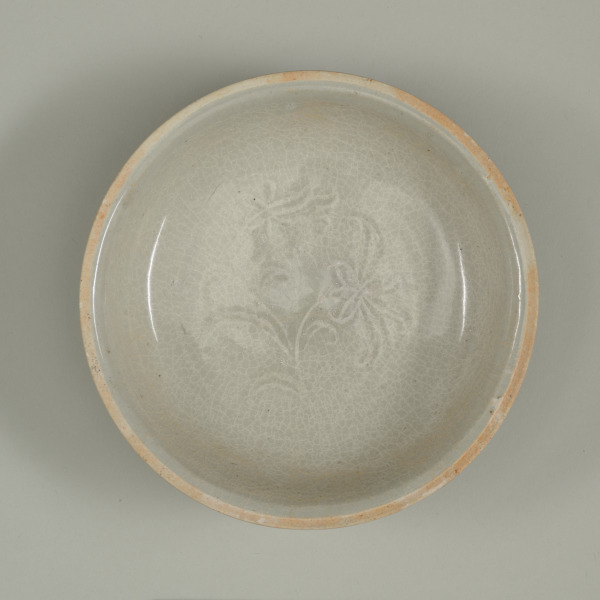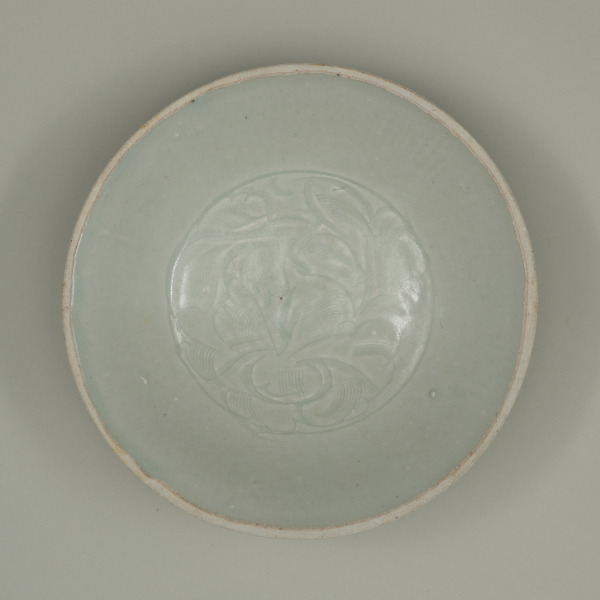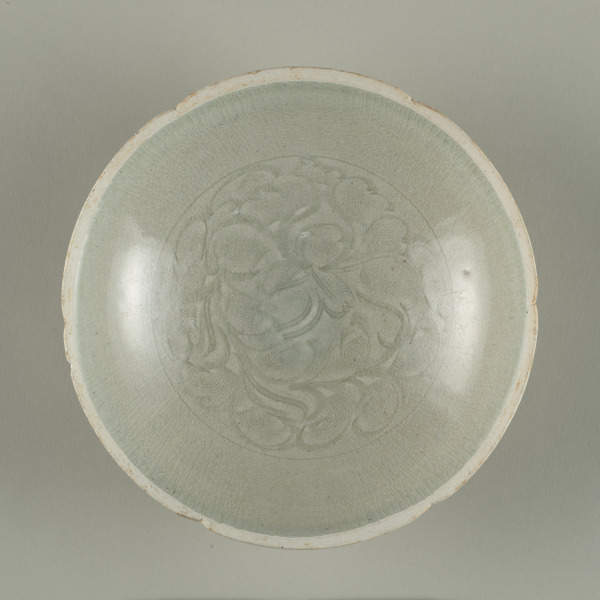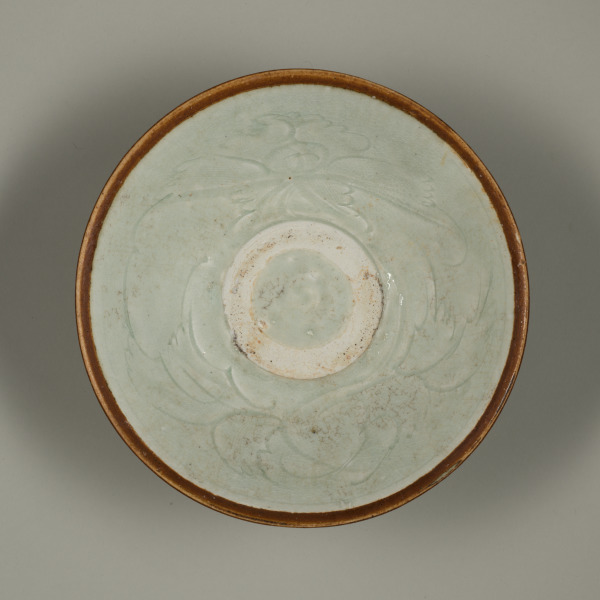
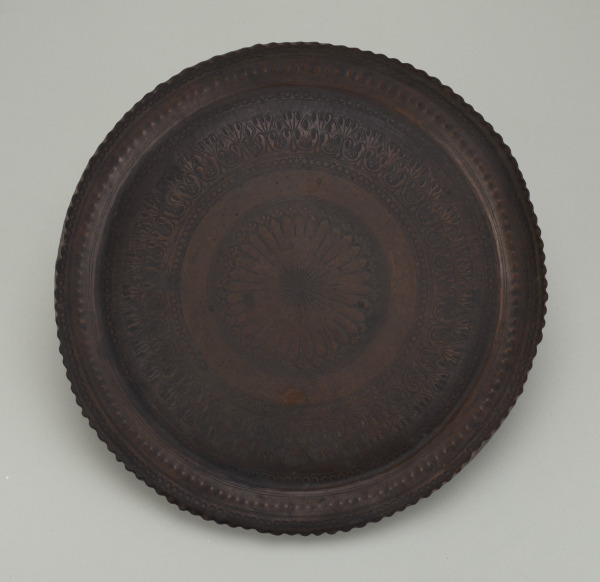
Ritual Offering Tray (Puja Thali) with Chiseled Floral Design and Crimped Rim
Hindu, 1600-1899
Scroll
Ritual Offering Tray (Puja Thali) with Chiseled Floral Design and Crimped Rim
Hindu, 1600-1899
Physical Qualities
Copper, 10 3/4 in. (27.3 cm.) Diam.
Credit Line
Lockwood de Forest Collection
Object Number
1922.2.99
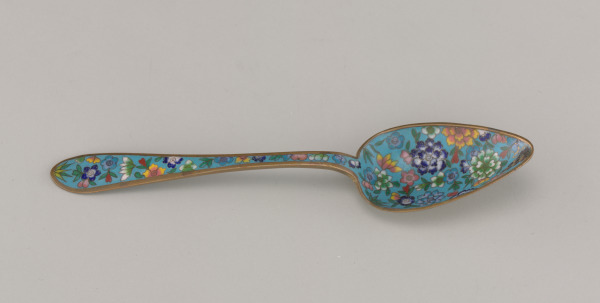
Puja means reverence, honor, worship, ritual. Puja thali may be translated as “prayer plate.” A puja is the most common form of worship in the Hindu religion. It may honor or celebrate deities, events, special guests, or the memory of a deceased person. Puja involves offering light, incense, flowers, and food to the deities. During worship, Hindu believers use many items which are kept on a puja tray, including a bell, pot of water, lamp, incense burner, powder made from ground saffron or turmeric, and a spoon. Buddhist, Jain, and Sikh practitioners also perform puja rituals.
The Baltimore Museum of Art by purchase, 1922; American Art Galleries, New York; Lockwood de Forest purchased in India, probably 1914
[Asian Refresh]
Asian Gallery Rotations 2023
Asian Rotations 2024
Asian Rotations 2025
Catalogue of the Rare and Valuable Examples of East Indian Persian and Syro-Damascan Art and Curios forming the private collection of the widely known artist and connoisseur Lockwood De Forest, Esq. of New York City, NY: American Art Association, 1922, no. 414.
Anne Suydam Lewis, Lockwood de Forest Painter Importer Decorator, Huntington, NY: Hecksher Museum, 1976, pp. 4-10, 12-32.
Roberta A. Mayer, "The Aesthetics of Lockwood de Forest," "Winterthur Portfolio," 31:1, The Henry Francis du Pont Winterthur Museum, Inc., 1996, pp. 1-22.
Roberta A. Mayer, "The Aesthetics of Lockwood de Forest," "Winterthur Portfolio," 31:1, The Henry Francis du Pont Winterthur Museum, Inc., 1996, pp. 1-22.
 On View at the BMA