Senufo
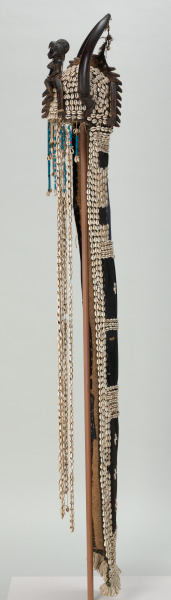
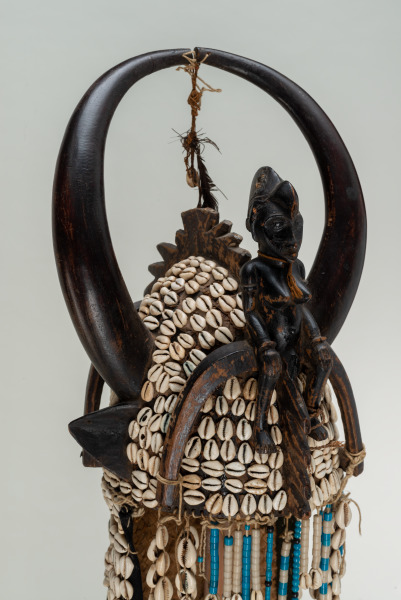
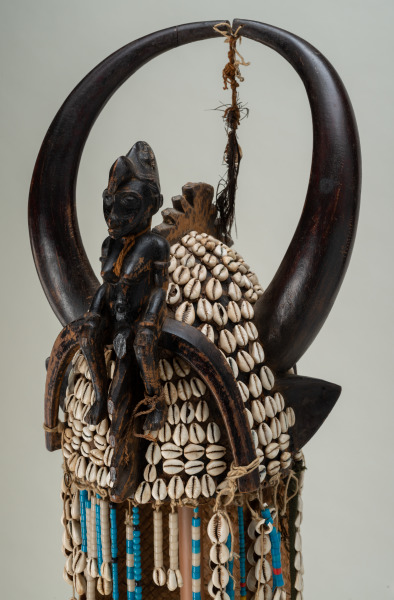
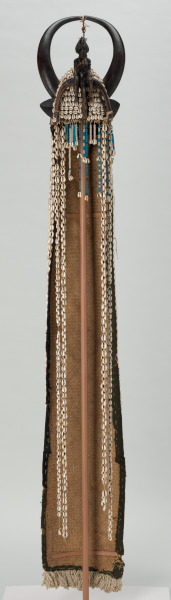
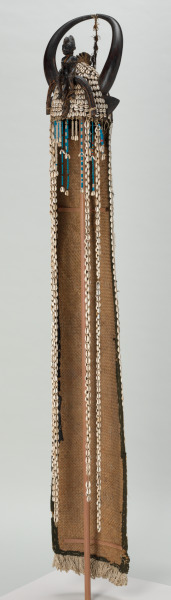
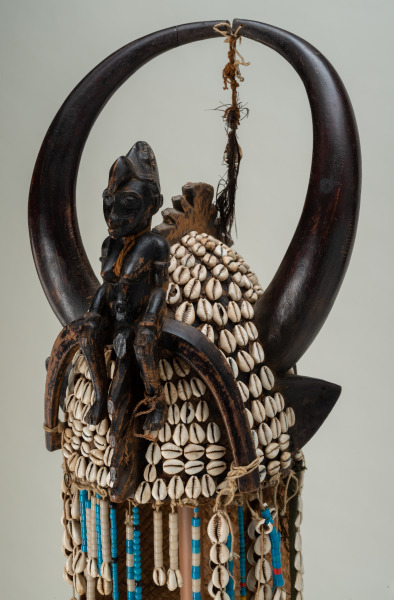
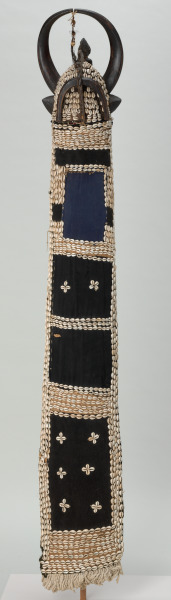
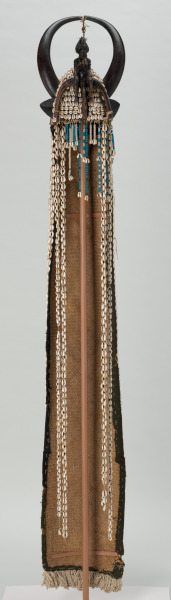
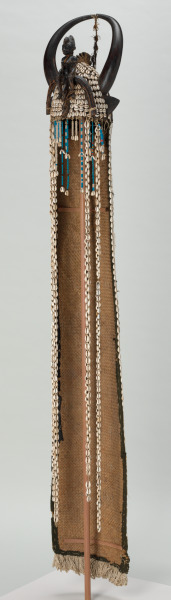
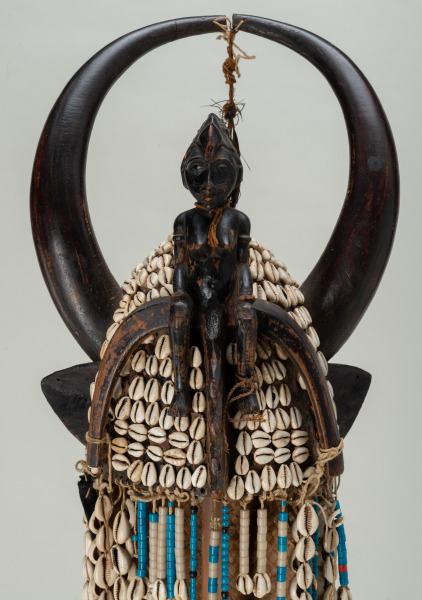
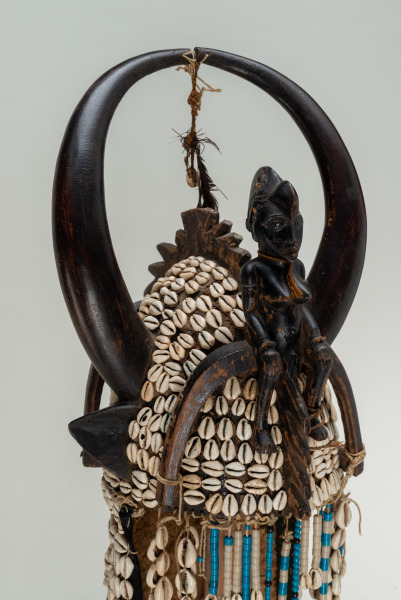
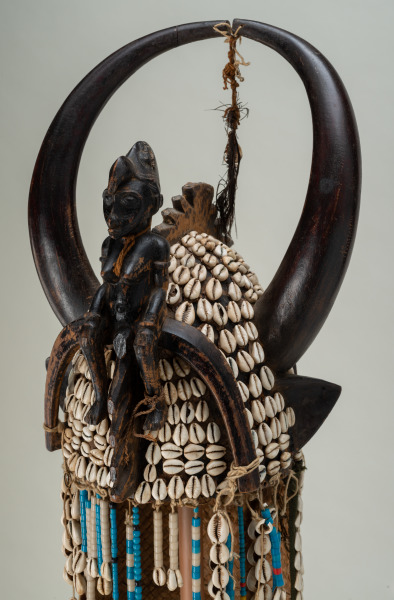
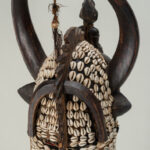
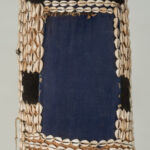
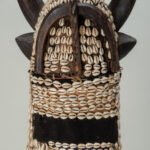
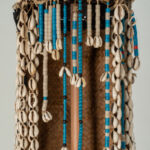
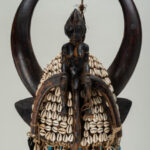
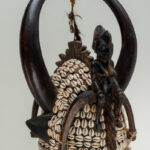
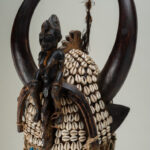
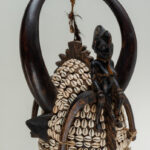
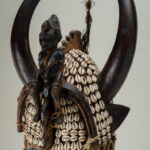
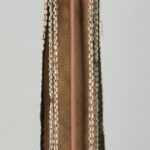
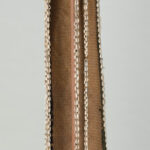
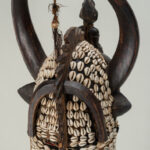
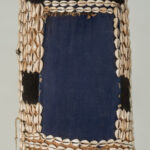
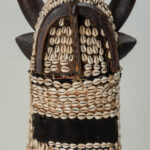
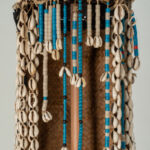
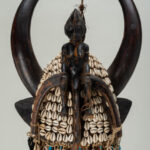
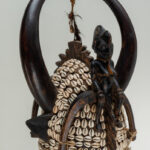
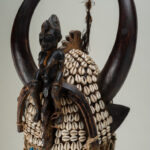
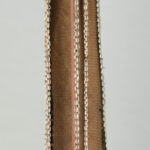
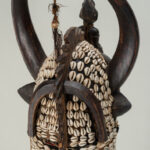
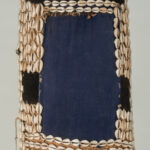
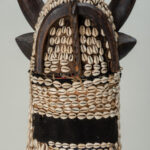
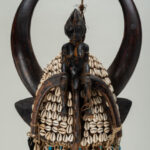
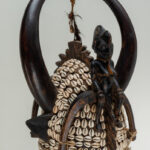
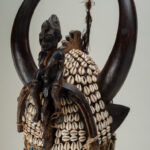
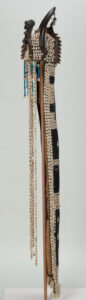
Singer’s Headdress (Daagu)
Senufo, 1900-1932
Scroll
Senufo
Singer’s Headdress (Daagu)
Senufo, 1900-1932
Physical Qualities
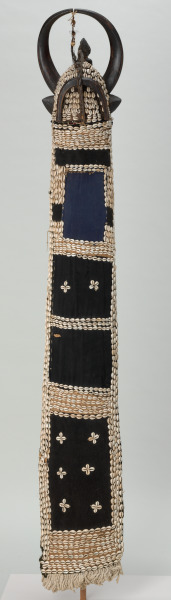
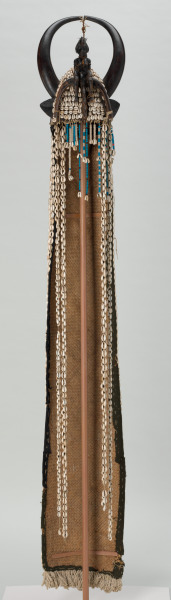
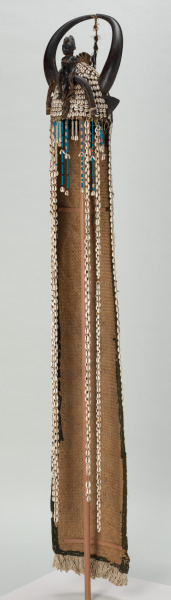
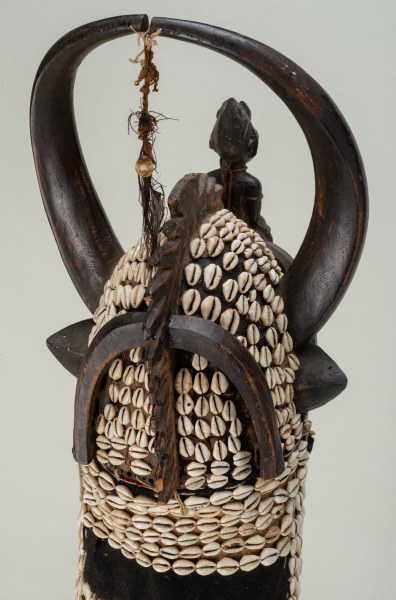
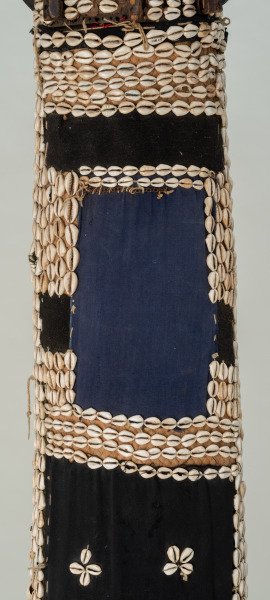
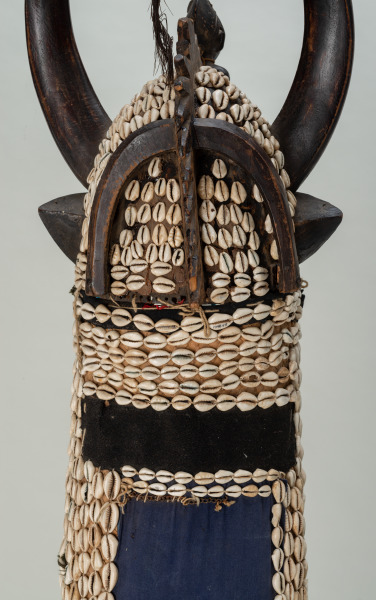
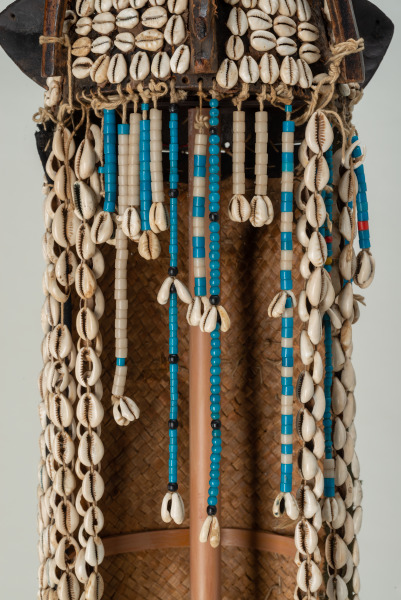
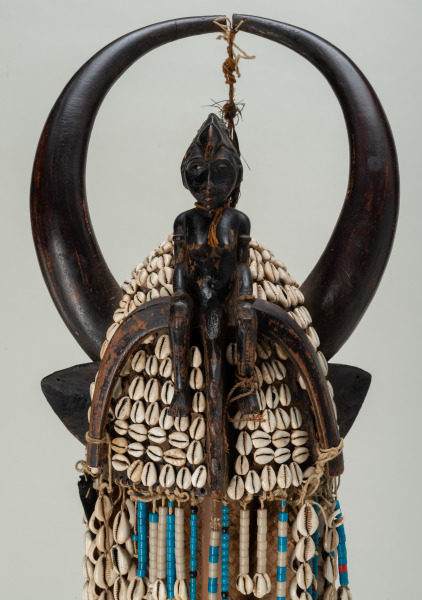
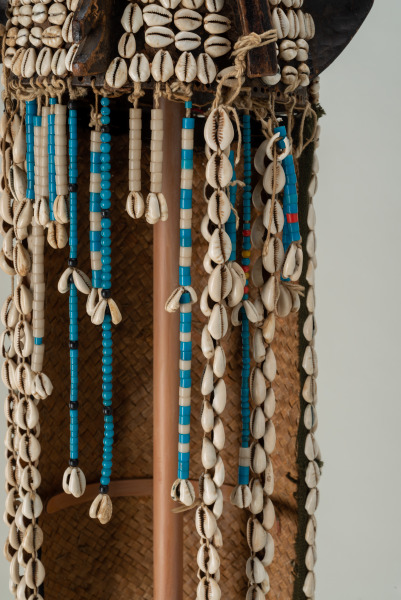
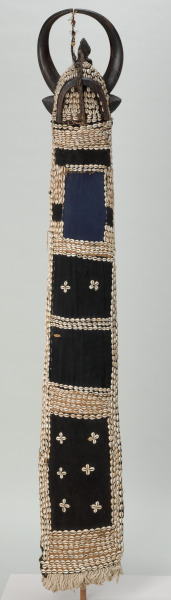
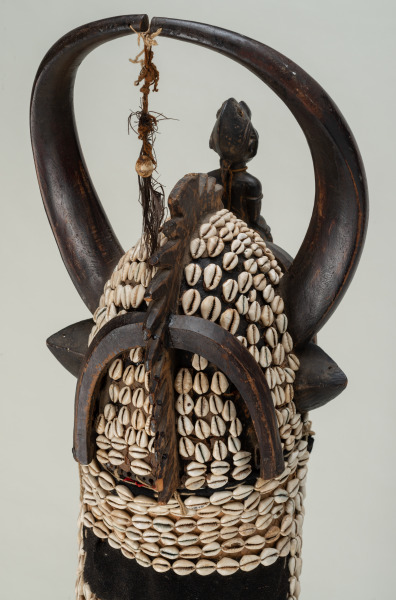
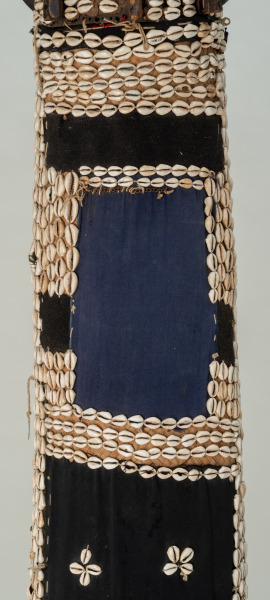
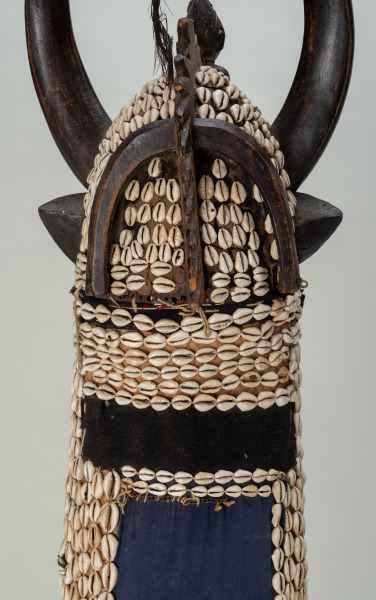
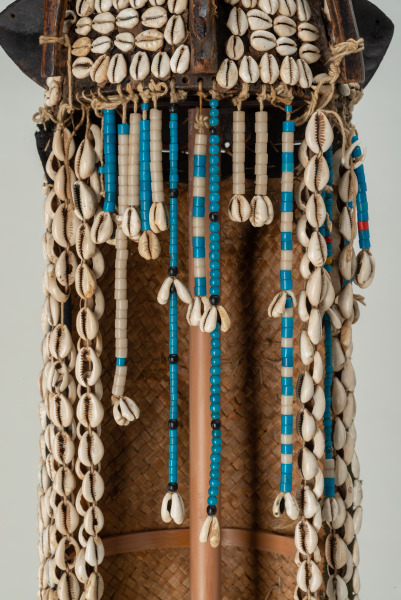
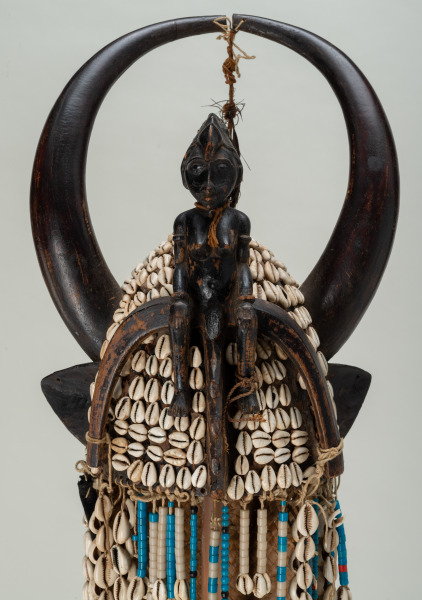
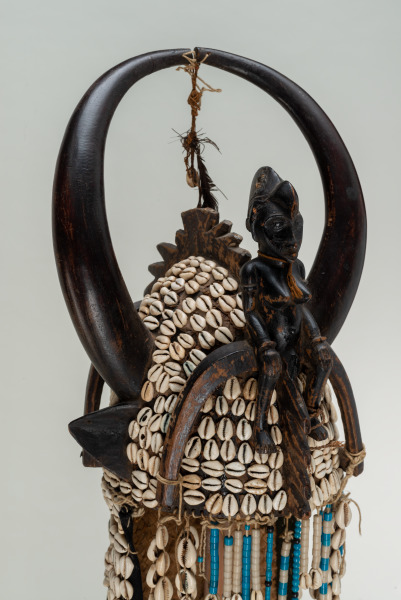
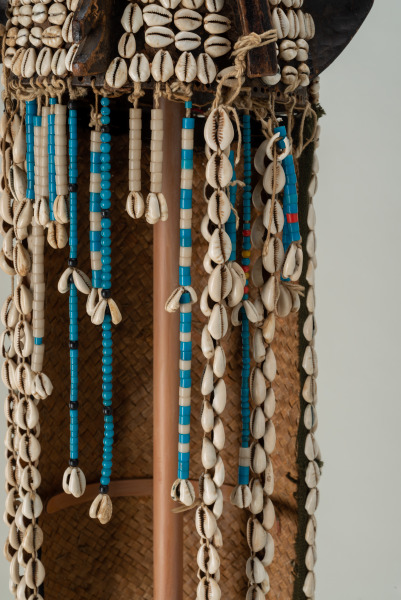
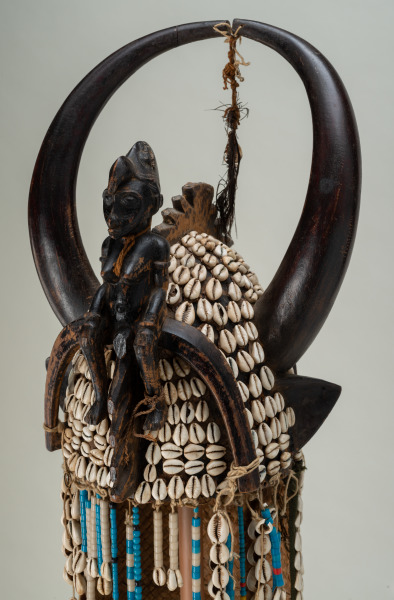
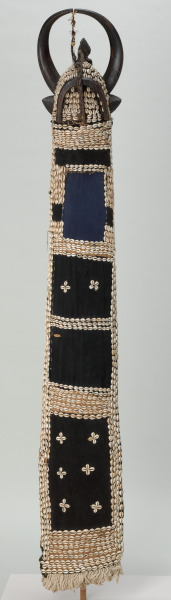
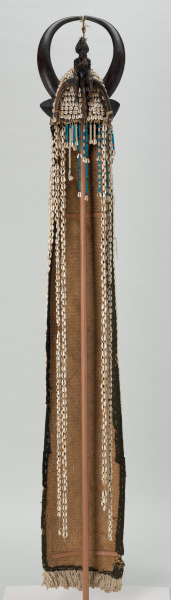
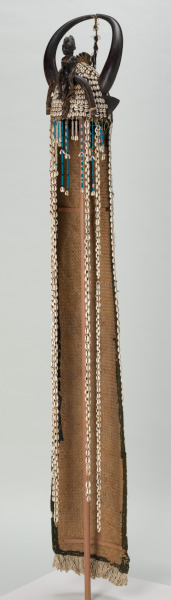
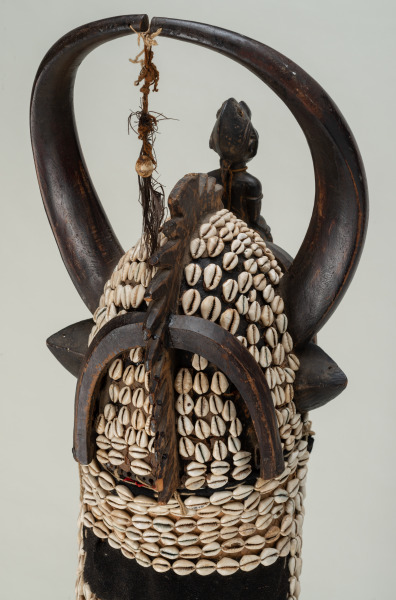
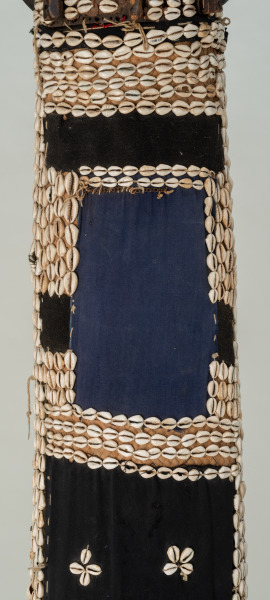
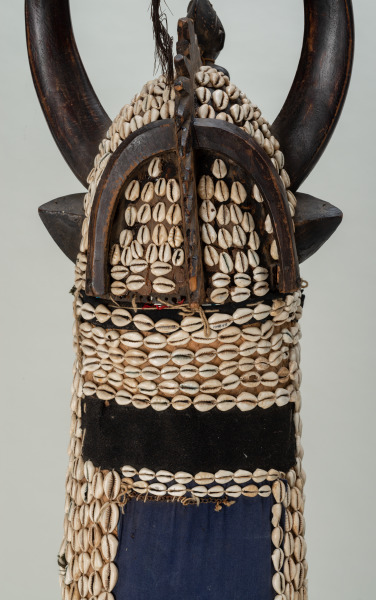
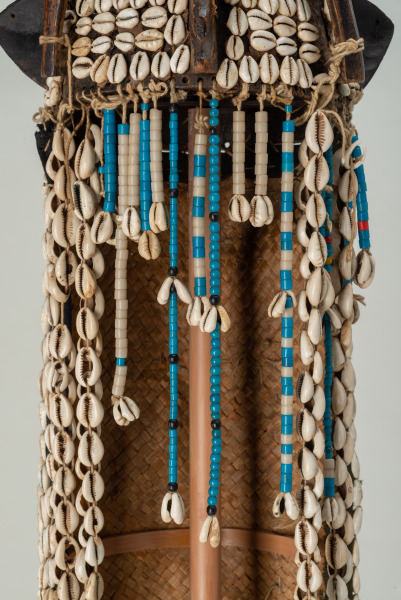
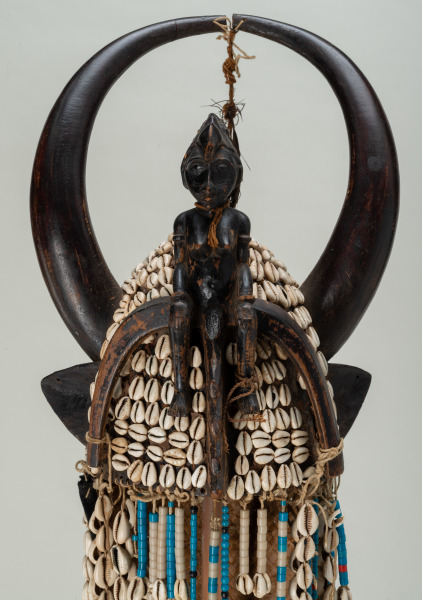
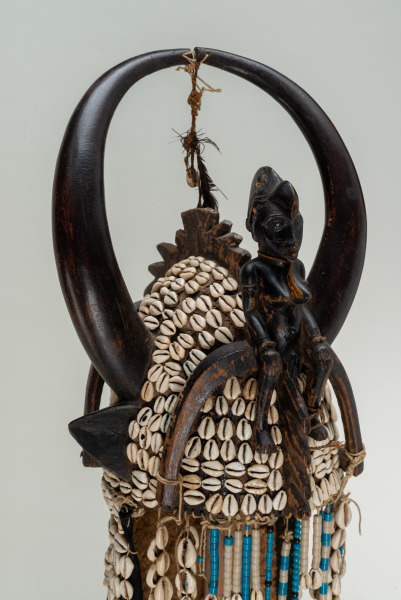
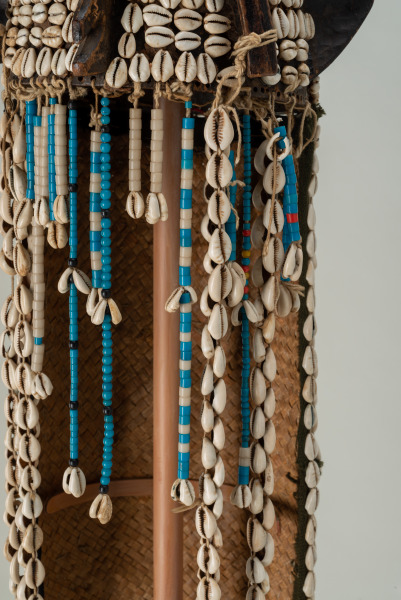
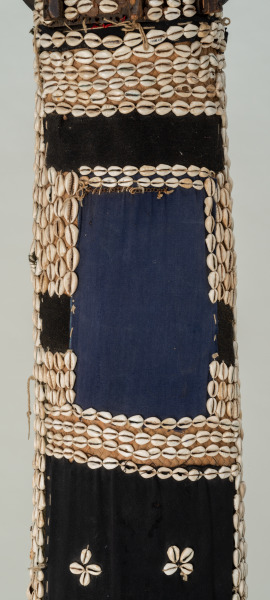
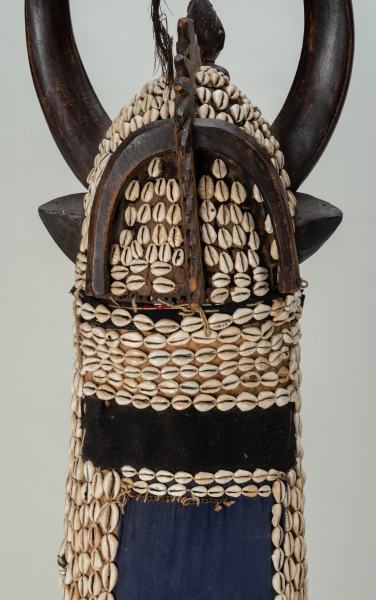
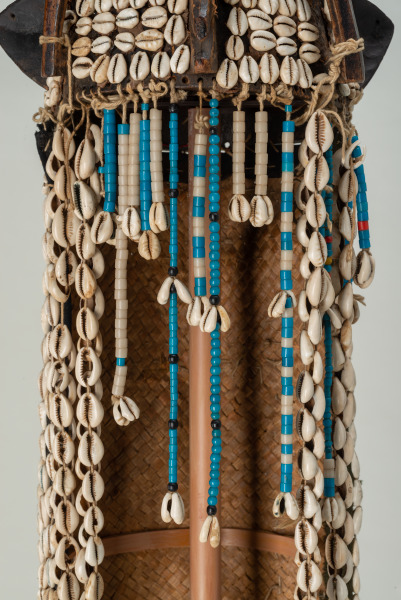
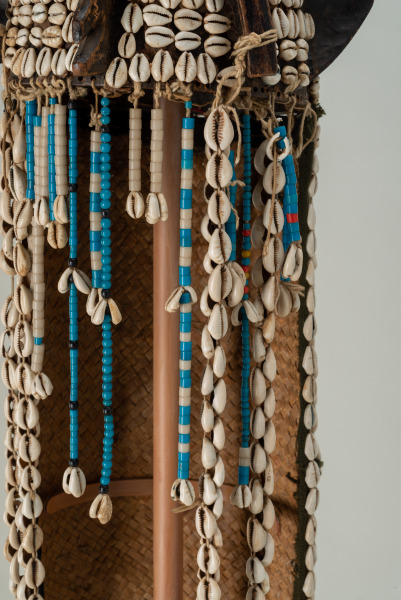
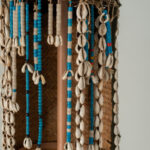
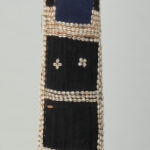
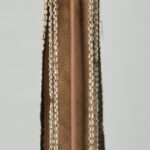
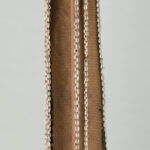
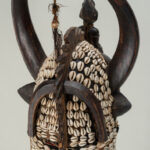
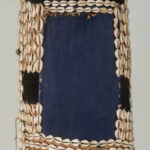
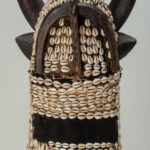
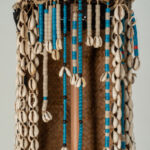
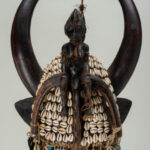
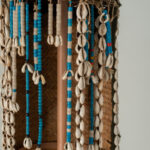
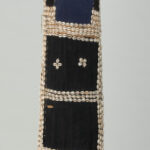
Wood, reed, cotton cloth, cotton threads, cowrie shells, glass beads, feather, nails and metal chain, 37 x 29 x 26.5 cm. (helmet only); 194 H cm. (with train)
Credit Line
Gift of Dr. and Mrs. Lawrence D. Pinkner, Baltimore
Object Number
1998.477
FL label from 1998 entered by AW 1/6/15:
HEADDRESS
Senufo, African, Ivory Coast
(early 20th century)
Wood, reed, cotton cloth, cotton
threads, cowrie shells, glass beads, feather, nails, and metal
chain
The Baltimore Museum of Art:
Gift of Dr. and Mrs. Larry Pinkner,
Baltimore. BMA 1998.477
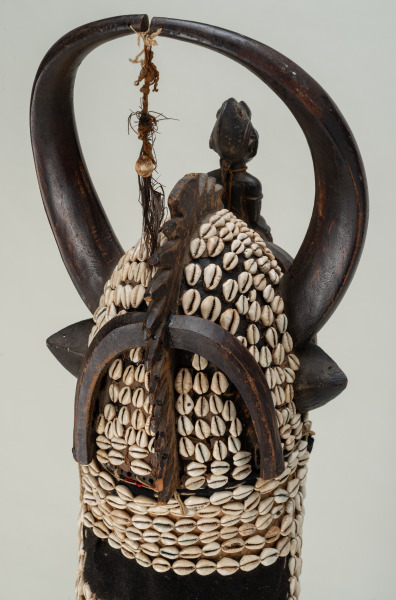
In the initiation of Boys into the
association called Poro, the lead
singers in one special ceremony
wear these headdresses along with
long pants, several cloaks, and
brass bells on their chests. They
carry horsehair fans and leather
purses, and feathers are attached
to the headdresses. The horns may
refer to the young initiates as
“fearful oxen,” whom the initiation
turns into “panters.”
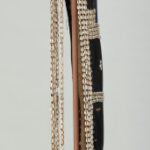
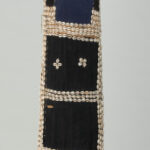
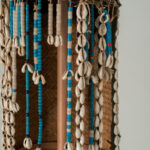
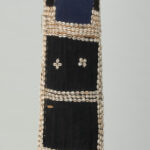
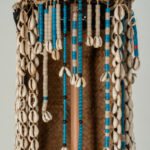
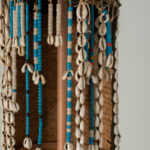
Learning to become an adult often involves rebelling against authority. In some Senufo villages, boys become men by joining the Poro society. During initiation, older men haze the boys in order to toughen them from fearful ‘oxen’ into fearless ‘panthers.’ Near the end of training, the boys have a chance to mock their elders. They create an elaborate headdress like this one. The cowrie-shell decoration and sculpture above were intended to outshine previous groups of initiates. The boys perform songs that insult the older men’s skills, virility, and sobriety. During this community ‘roast,’ the boys become artists—dancers, singers, and lyricists. The beaded veil in the front shielded the singer’s face, while the train once carried bells and mirrors that added noise and flash to the spectacle.
Photo: T. Foerster, Die Kunst der
Senufo, 1988
African Reinstallation
Frederick John Lamp, "See the Music Hear the Dance: Rethinking African Art at the Baltimore Museum of Art." New York: Prestel, 2003, p.102-103, ill.