
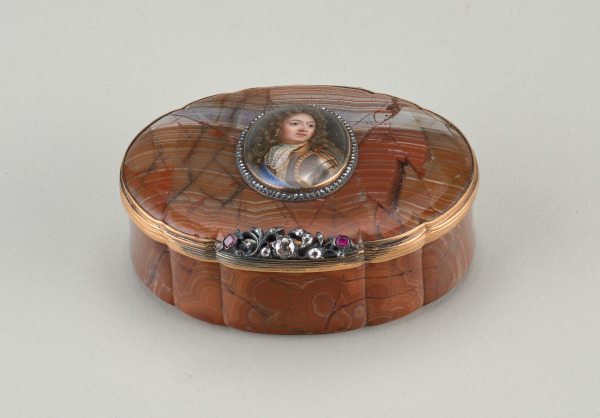
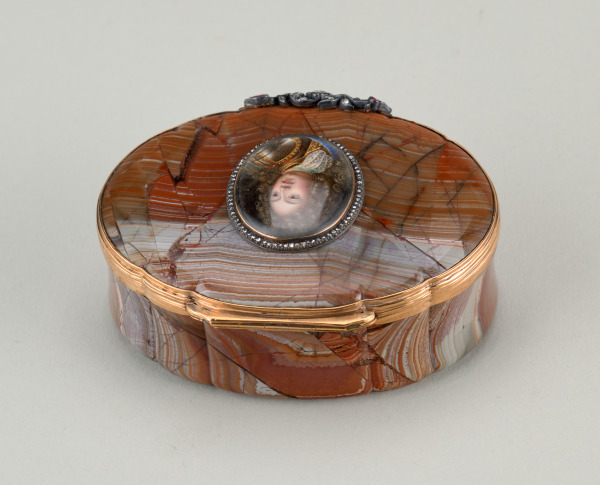
Charles Boit
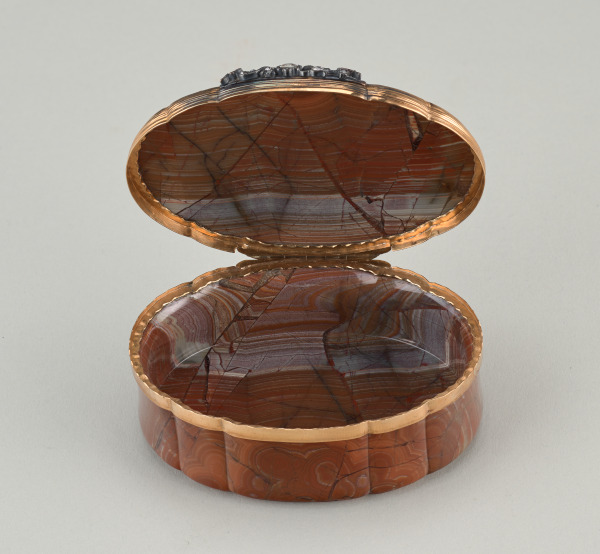
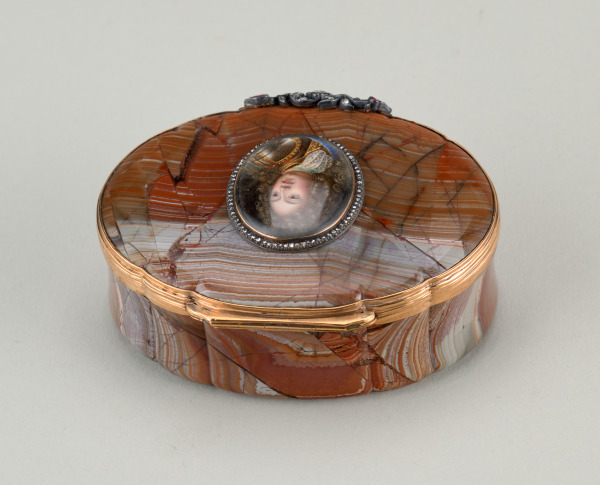
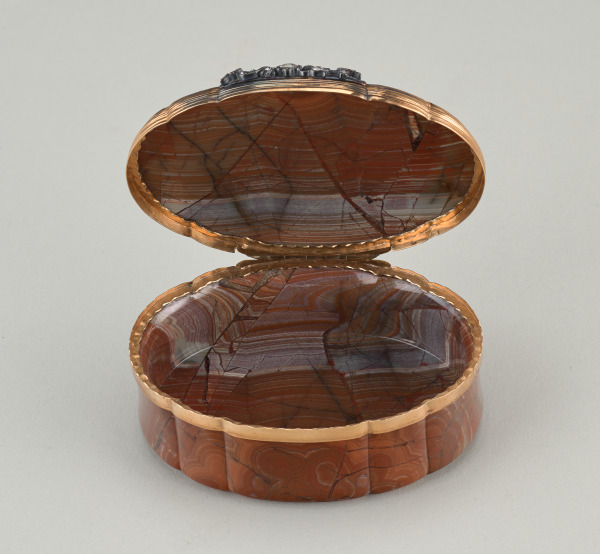
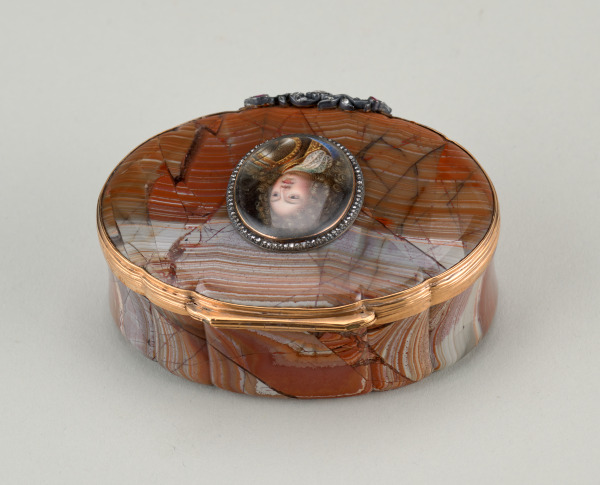
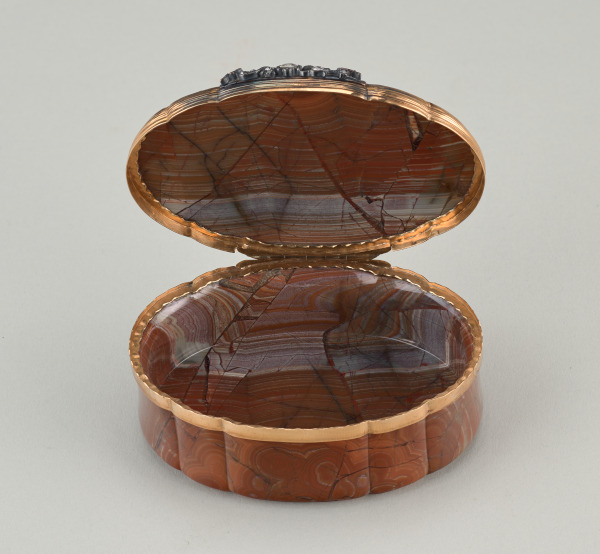
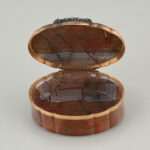
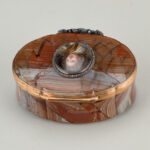
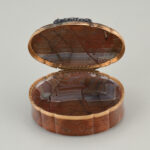
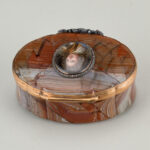
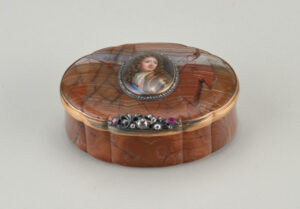
Snuffbox
1724
Scroll
Charles Boit
Snuffbox
1724
Physical Qualities
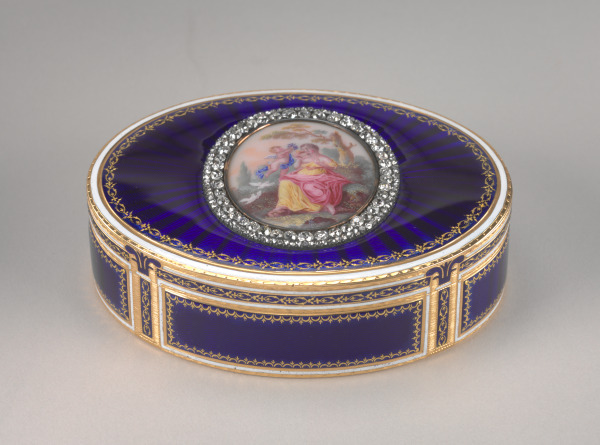
Agate, gold, diamonds, rubies, 1 1/4 x 4 in. (3.2 x 10.2 cm.)
Credit Line
Gift of Mrs. Bennett Darnall
Object Number
1966.14.9
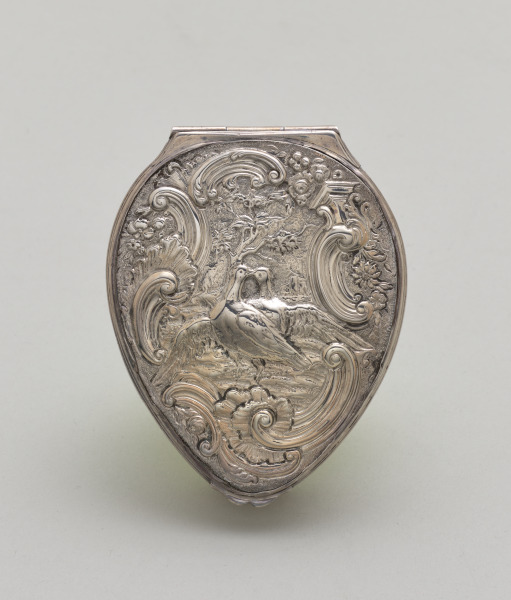
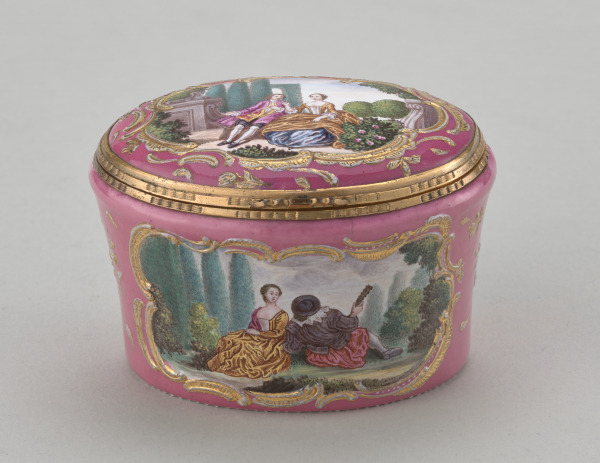
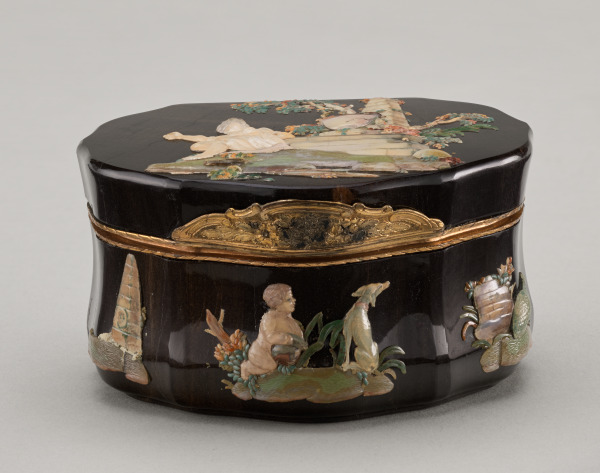
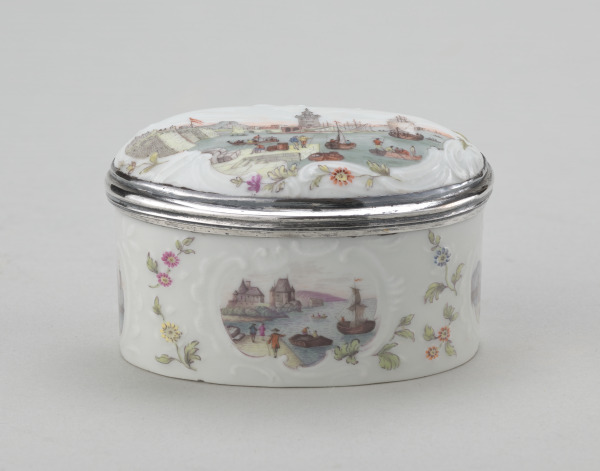
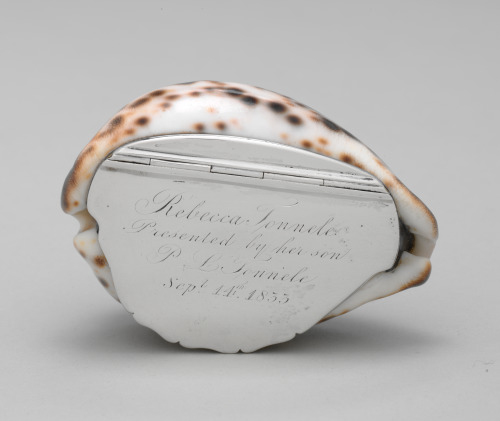
These bejeweled boxes were made to hold snuff, a powdered form of tobacco. The tobacco plant is indigenous to North and South America. For longer than memory, indigenous communities have used tobacco in religious ceremonies and as medicine, and it remains an important plant to Native lifeways. When European colonizers arrived in the Americas, however, they became interested in tobacco for its stimulating properties. They forced enslaved Native and African people to work on tobacco plantations, which supplied a new global desire for this plant. European jewelers and goldsmiths crafted snuffboxes, like these examples, to amplify the luxuriousness of snuffing.
Baltimore Museum of Art by gift, 1966; Eugenia Brown Darnell (Mrs. Bennett Darnall), Greenock, MD by purchase, 1950; Staffords, London, England
Jacobs Wing Rotations 2024
Jacobs Wing Rotations 2025
 On View at the BMA