

Ngbandi and Poto

Sword with Hide Pommel

Ngbandi or Poto, 1900-1932

Scroll
Sword with Hide Pommel

Ngbandi or Poto, 1900-1932

Physical Qualities Iron, wood, copper alloy, animal hide, organic materials, 25 9/16 × 7 11/16 × 4 5/16 in. (65 × 19.6 × 11 cm.)
Credit Line Gift of Allen Davis, Alexandria, Virginia
Object Number 1995.222
The undulating forms of this blade are best interpreted by turning it upside down. With the pommel at the top, the sword can be read as a figure with abstract head. The hilt suggests arms and torso, and the blade becomes the figure’s hips and legs. Empowered by the medicines contained within the pommel, the bearer of this weapon enjoyed considerable prestige, further enhanced by the high aesthetic quality of the blade. The distinctive markings along the blade and handle may well reflect the personal style of an individual artist.
Meditations on African Art: Pattern
Culture

Ngbandi

2000–2000

Meet Ngbandi →

Culture

Poto

2000–2000

Meet Poto →

Explore the Collection Further

Ngbandi and Zande
Ceremonial Blade
1800–1932
Frédéric Laguillermie and Francisco José de Goya y Lucientes
Portrait of a Man Holding a Sword
1860–2000
Maru Obi with Fans, Water Wheels, and Uchide no Kozuchi (Mallet of Good Fortune)
1911–1939
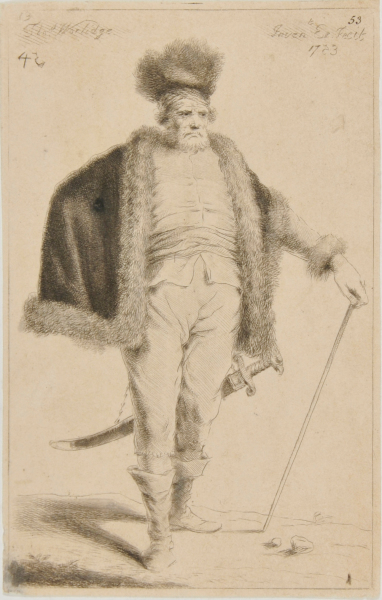
Thomas Worlidge
Full Length of Man to Right, Wearing Cap, Cape, and Sword
1752
Sword and Scabbard
1833–1866
Sword Guard (Tsuba) Decorated with a Dragon Fish in Cresting Waves
1799–1832
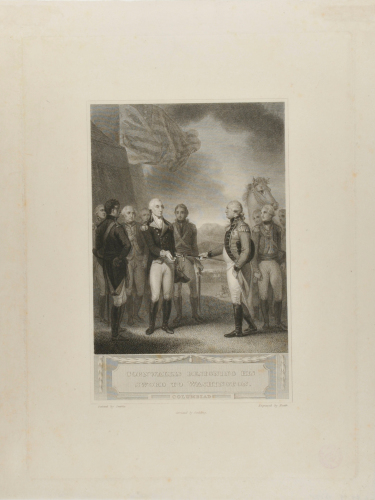
Charles Heath and Robert Smirke
Cornwallis Resigning His Sword to Washington
1804–1847
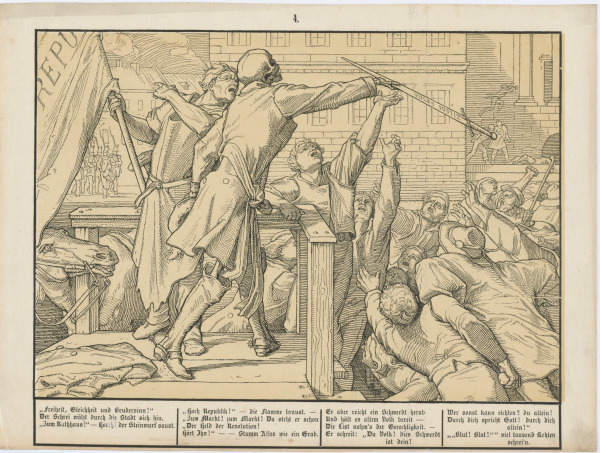
Gustav Richard Steinbrecher, Alfred Rethel, and others
Death Hurling a Sword Marked 'People's Justice' into the Crowds
1848
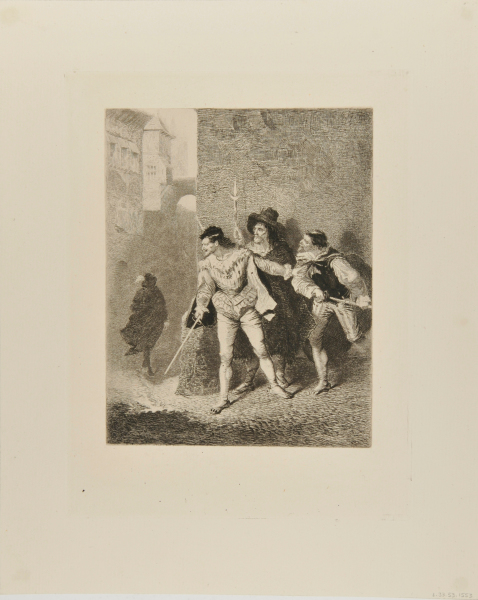
Edmond Hédouin
The Three Swordsmen
1839–1888
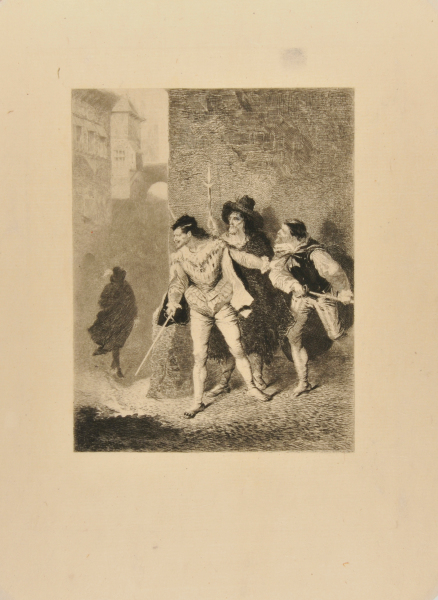
Edmond Hédouin and Adolphe Lalauze
The Three swordsmen
1839–1888
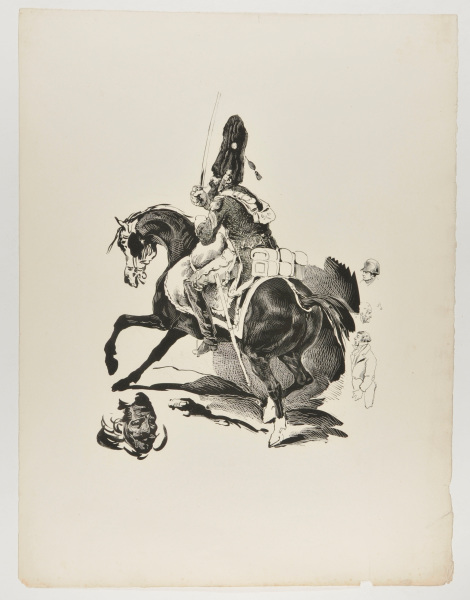
Nicolas-Toussaint Charlet
Horseman with a sword
1811–1844
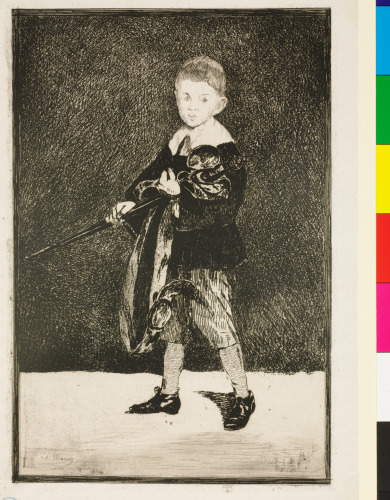
Édouard Manet
Boy with a Sword, Turned Left (L'Enfant à l'Epée tourné à gauche)
1861–1871