
Eva Zeisel and Schramberg Majolica Factory
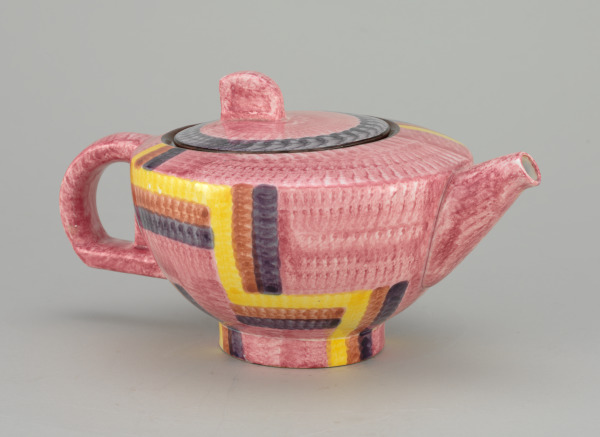
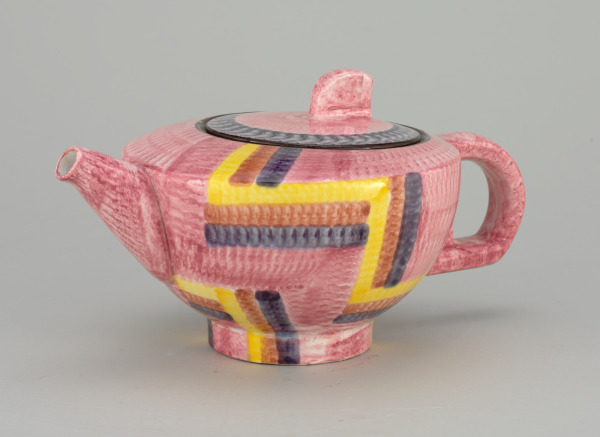
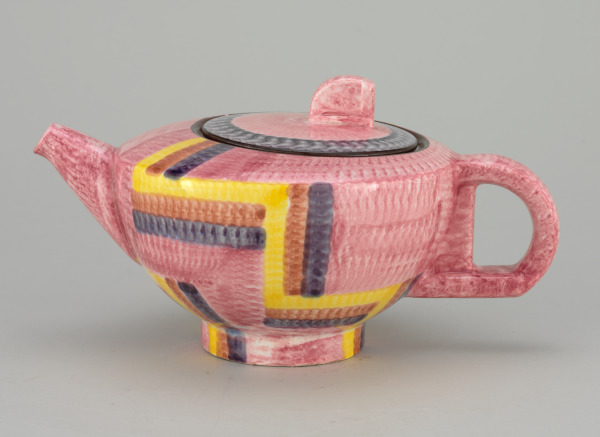
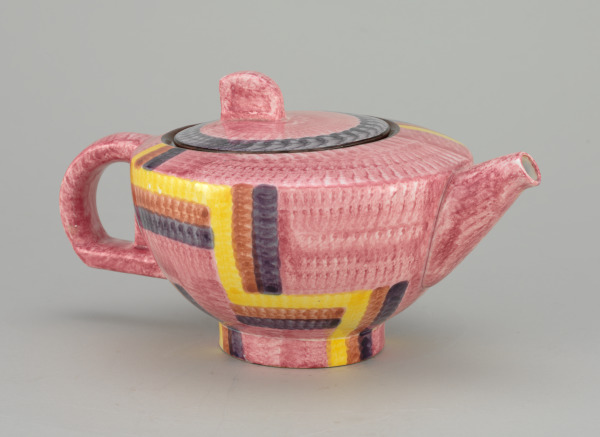
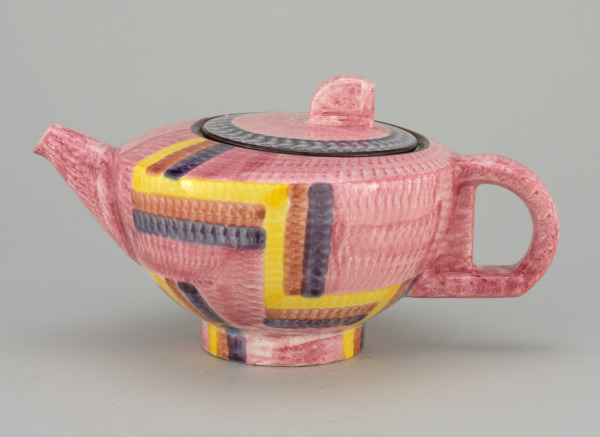
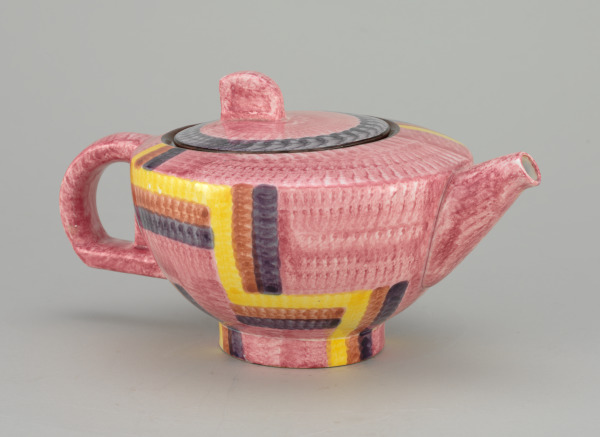
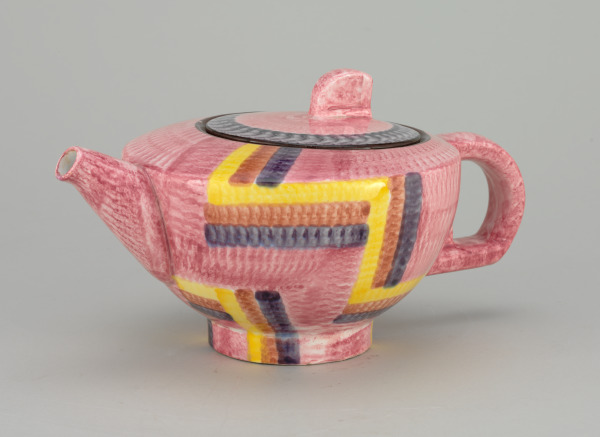
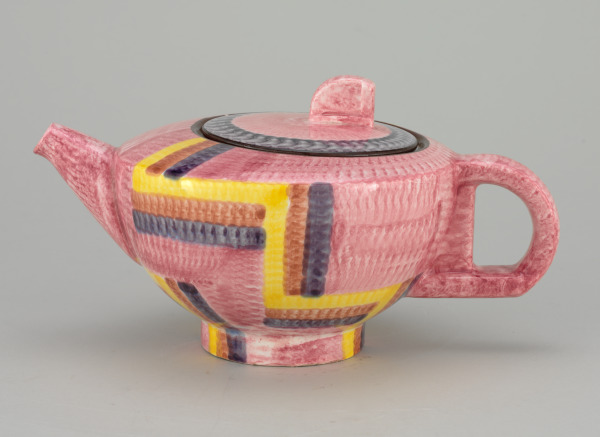
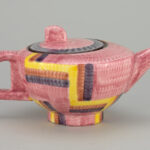
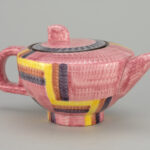
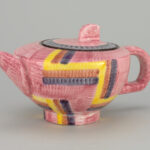
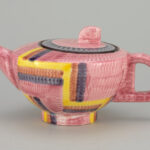
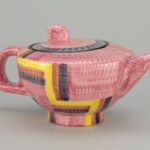
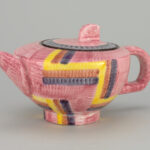
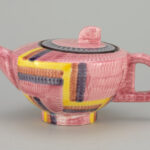
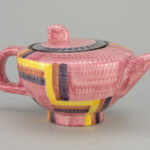
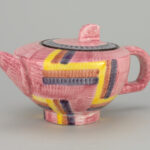
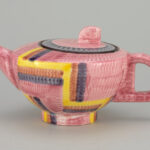
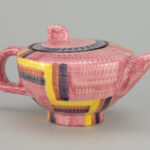
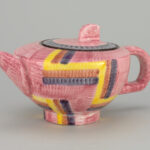
Teapot
1927-1928
Scroll
Physical Qualities
Glazed earthenware, Teapot and lid: 5 x 10 x 6 1/2 in. (12.7 x 25.4 x 16.5 cm) Teapot: 10 x 6 1/2 x 4 1/4 in. (25.4 x 16.5 x 10.8 cm) Lid: 4 x 4 x 1 7/8 in. (10.2 x 10.2 x 4.8 cm)
Credit Line
Purchased as the gift of Stiles Tuttle Colwill and the Stiles Ewing Tuttle Memorial Trust in Memory of Marion Tuttle Colwill
Object Number
2002.211
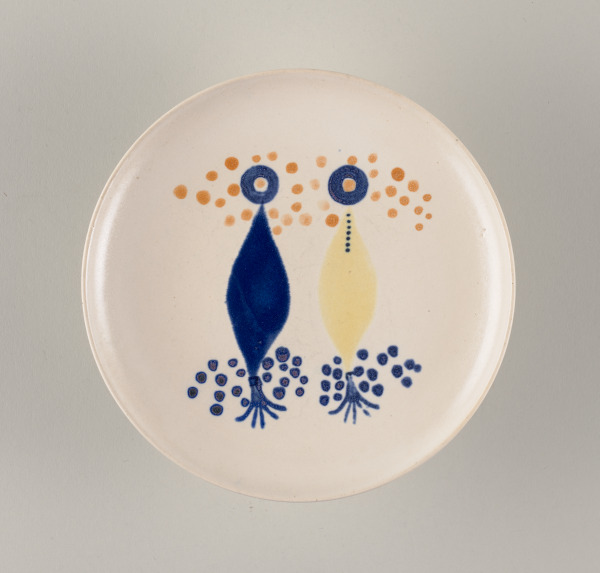
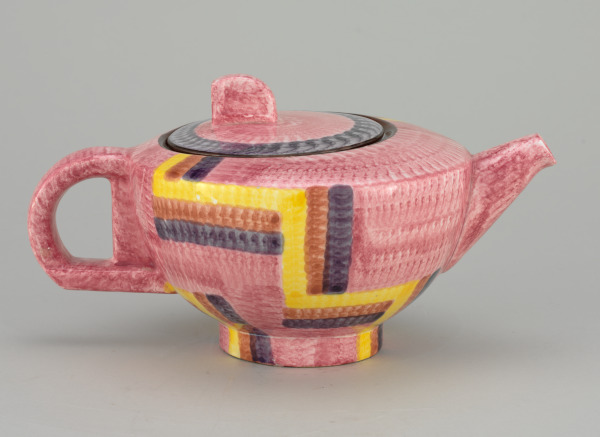
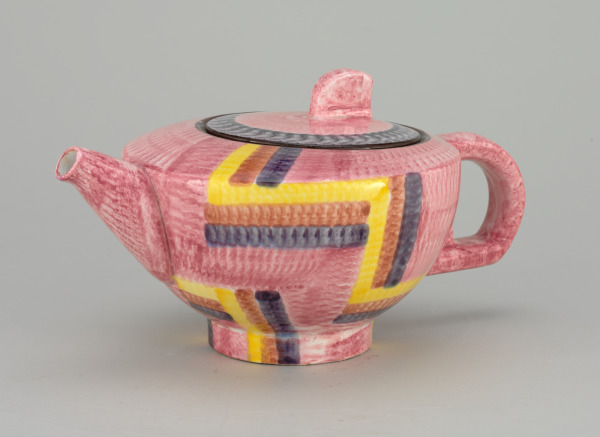
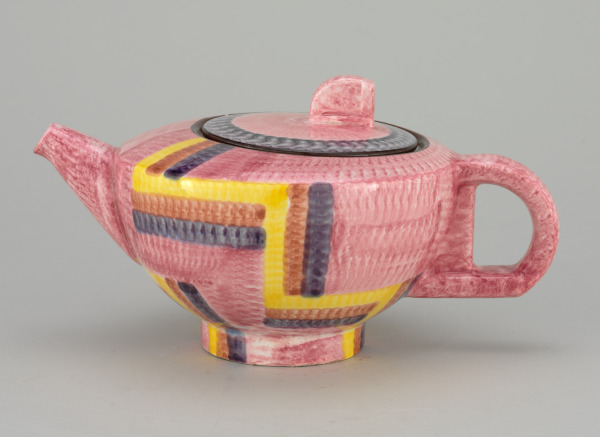
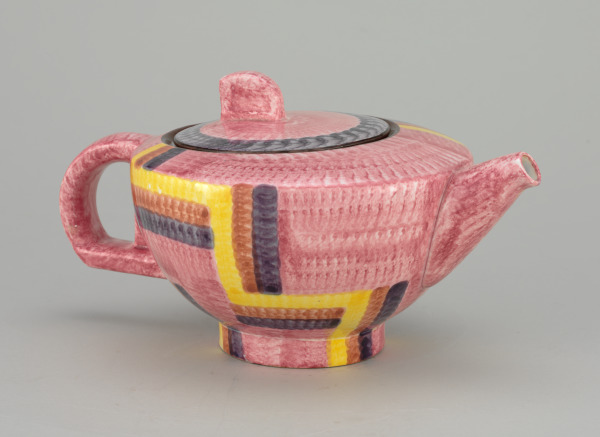
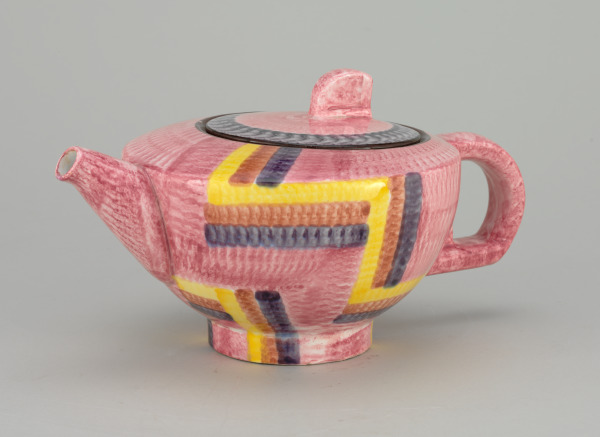
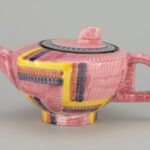
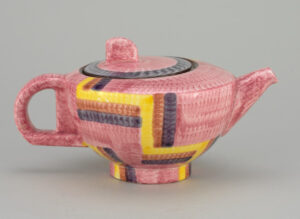
Eva Zeisel’s first job as a ceramic designer was with Schramberg Majolika Fabrik from 1928 to 1930. She incorporated geometric forms into the flat top, handle, and lid of Teapot, creating a design that prevented spilling and allowed the user a firm grip. The influential Bauhaus school, which emphasized functionality and simplicity, inspired her dinnerware. However, Zeisel opposed the Bauhaus’ disregard for ornamentation, instead using bright, pastel colors and a sponge painting technique to add aesthetic appeal.
Zeisel left Europe in 1938 before the onset of World War II and moved to New York. She taught ceramics from 1939 to 1952 at the Pratt Institute while continuing her professional practice. In 2005, she was awarded the National Design Award for Lifetime Achievement by the Cooper Hewitt, Smithsonian Design Museum. She continued designing until her death in 2011.
The Baltimore Museum of Art by purchase, 2002; James Wieber, Washington, D.C.
By Their Creative Force: American Women Modernists
Designer biography: http://www.dwr.com/category/designers/v-z/eva-zeisel.do
Markings: Marked underneath teapot's base "MAJOLIKA /SMF/SCHRAMBERG/Handgemalt", "50", "3211"