

Auguste Rodin and Alexis Rudier, Paris
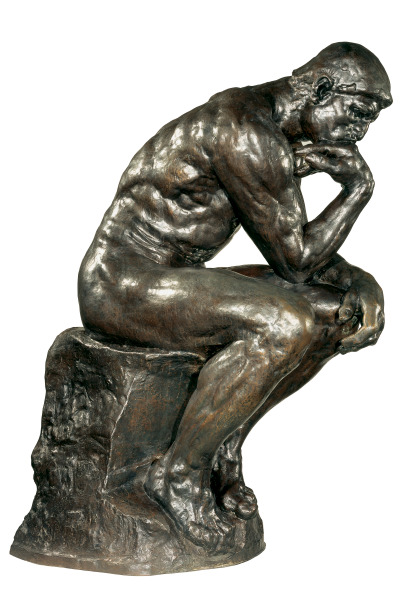
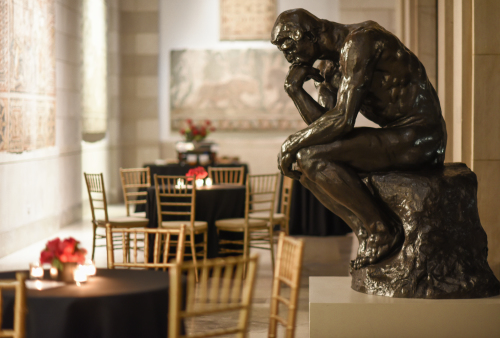
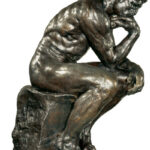
The Thinker
1879-1916





Scroll
Physical Qualities
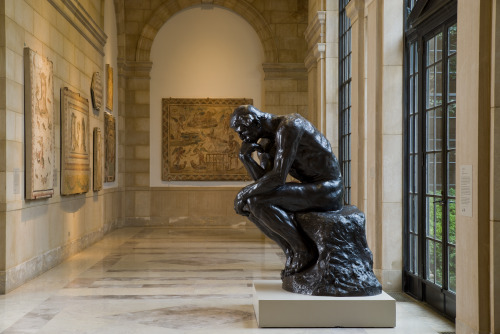
Bronze, 79 x 37 3/4 x 59 in. (200.7 x 95.9 x 149.9 cm.)
Credit Line
The Jacob Epstein Collection
Object Number
1930.25.1
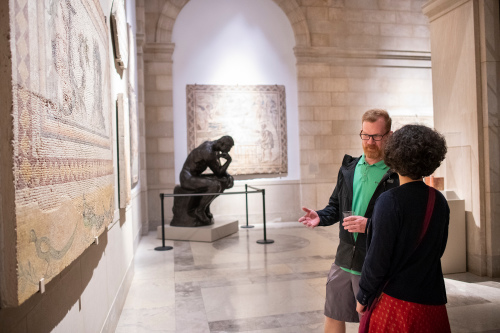
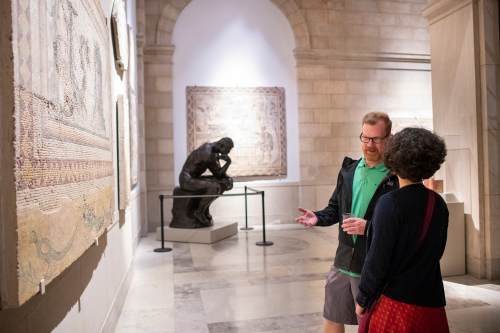
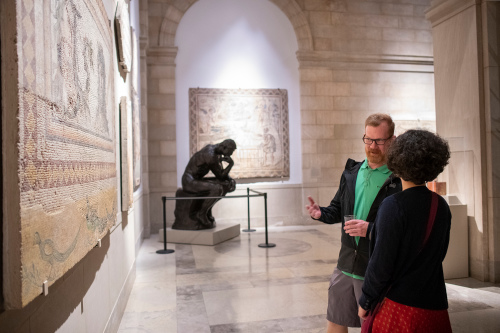
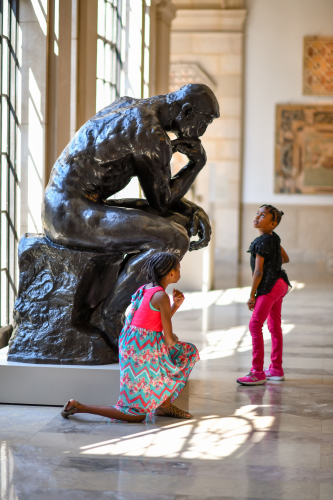
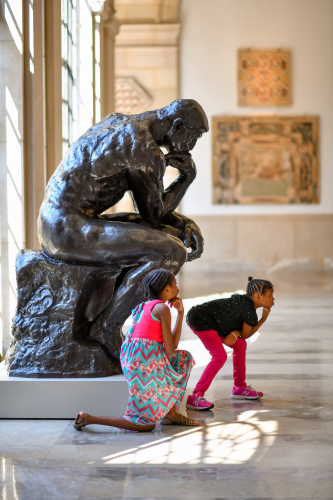
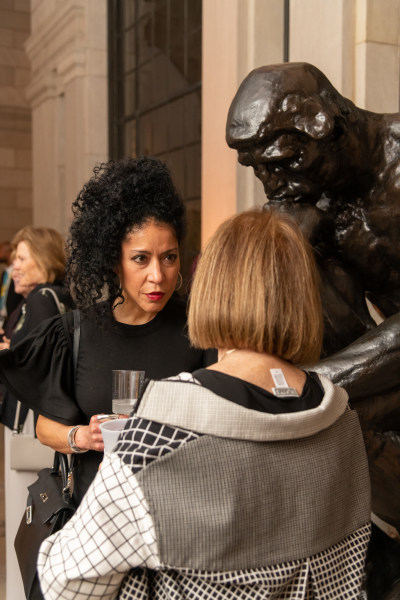
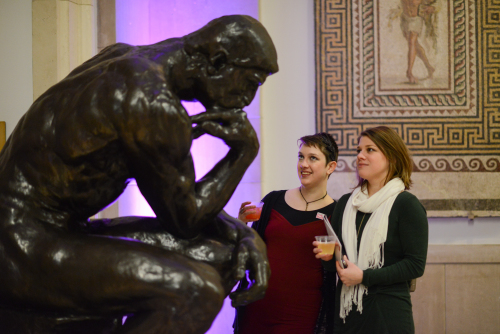
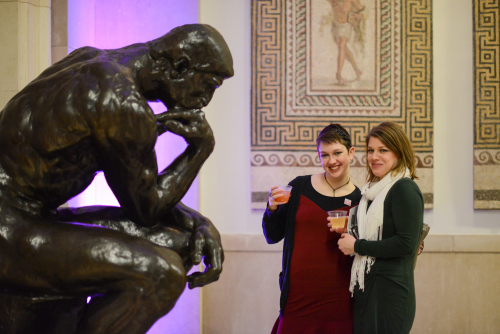
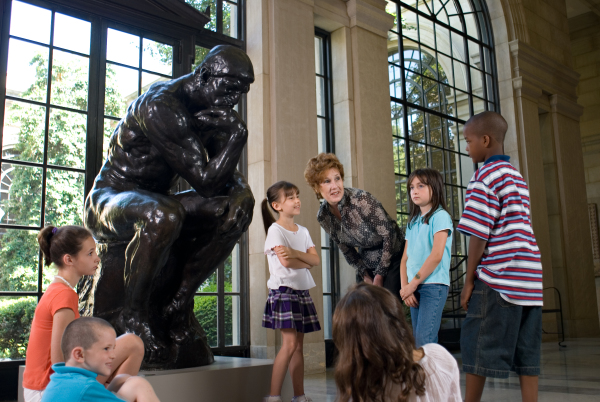
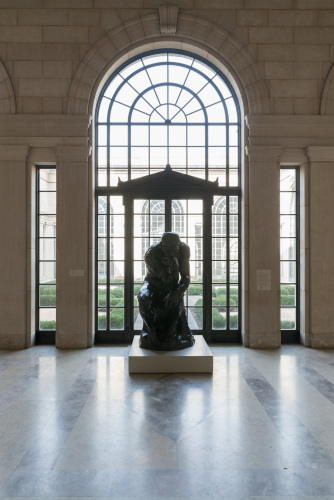
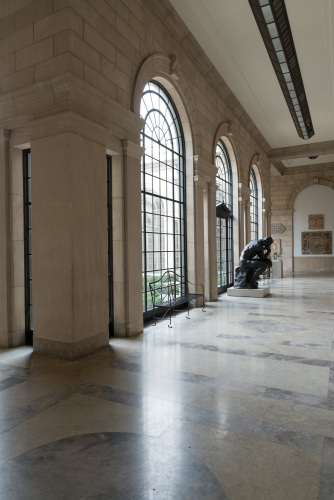
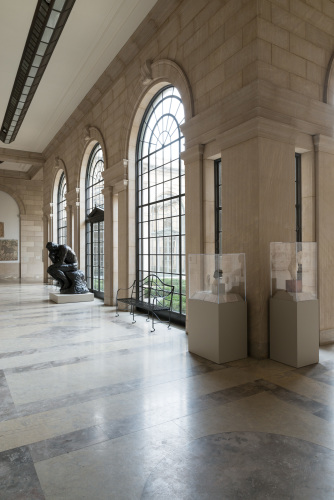
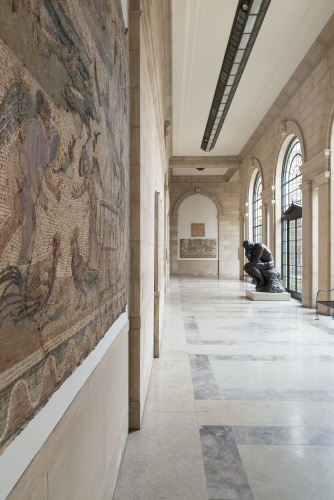
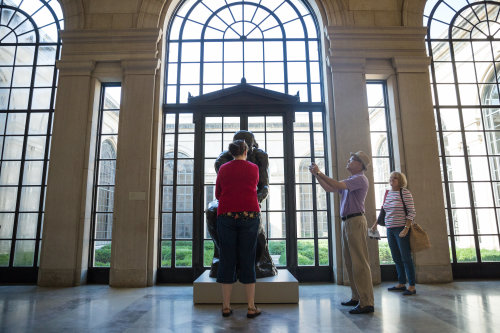
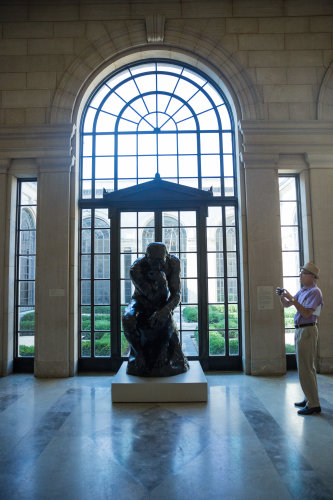
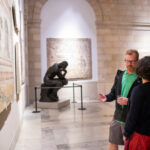
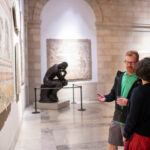
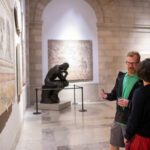
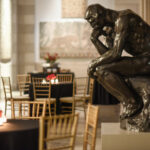
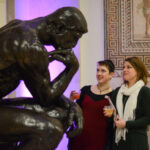
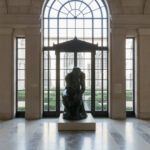
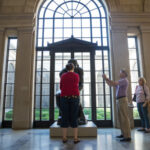
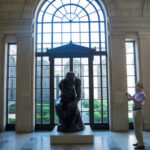
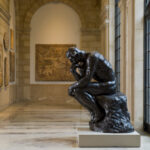
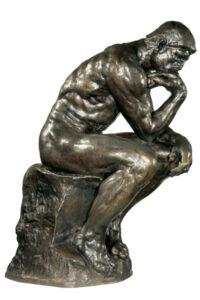
"The Thinker," a man hunched over in contemplation, may be Auguste Rodin’s best-known work. Rodin first cast the figure as the central form in The Gates of Hell, an ornate doorway inspired by scenes from the work of Italian poet Dante Alighieri (1265–1321). The figure originally represented the author, but gradually evolved into a more generalized reference to all poets and creators. Rodin often created multiple versions of a sculpture; this monumental enlargement of "The Thinker" is one example of his play with scale. Gifted to the Museum in 1930 and displayed outside the front entrance, it was moved inside in 1971 following an extensive conservation treatment.
The Baltimore Museum of Art by gift, 1930; Jacob Epstein by purchase, 1928; Musée Rodin, Paris
Rodin: Expression & Influence
Rodin in the United States: Confronting the Modern
BMA Today, Spring 2007, p.18.
BMA Today, Winter 2007-2008, ill. p. 22.
"60 Objects Countless Stories," BMA Today, Winter 2008-2009, pp. 6-7, ill. p. 6.
Glenn McNatt, "The Thinker's Long Shadow," The Baltimore Sun, Baltimore, MD, August 1, 2007, C1, C3, ill.
Baltimore Museum of Art. The Baltimore Museum of Art: Celebrating a Museum. Baltimore: The Baltimore Museum of Art, 2014.
Le Normand-Romain, Antoinette, ed. Rodin in the United States: Confronting the Modern. Clark Art Institute: Williamstown, MA, 2022
Inscribed: Right side, near back: A. Rodin; Back left: Alexis Rudier, Fondeur, Paris
 On View at the BMA
Explore the Collection Further