The Three Rings - Image 1
The Three Rings - Image 2
The Three Rings - Image 3
The Three Rings - Image 4
The Three Rings - Image 5
The Three Rings - Image 6
The Three Rings - Image 7
The Three Rings - Image 8
The Three Rings - Image 9
The Three Rings - Image 10
The Three Rings - Image 11
The Three Rings - Image 12
The Three Rings - Image 13
The Three Rings - Image 14
The Three Rings - Image 15
The Three Rings - Image 16
The Three Rings - Image 17
The Three Rings - Image 18
The Three Rings - Image 19
The Three Rings - Image 20
The Three Rings - Image 21
The Three Rings - Image 22
The Three Rings - Image 23
The Three Rings - Image 24
The Three Rings - Image 25
The Three Rings - Image 26
The Three Rings - Image 27
The Three Rings - Image 28

Henry Moore

The Three Rings

1965
Thumbnail 1
Thumbnail 2
Thumbnail 3
Thumbnail 4
Thumbnail 5
Thumbnail 6
Thumbnail 7
Thumbnail 8
Thumbnail 9
Thumbnail 10
Thumbnail 11
Thumbnail 12
Thumbnail 13
Thumbnail 14
Thumbnail 15
Thumbnail 16
Thumbnail 17
Thumbnail 18
Thumbnail 19
Thumbnail 20
Thumbnail 21
Thumbnail 22
Thumbnail 23
Thumbnail 24
Thumbnail 25
Thumbnail 26
Thumbnail 27
Thumbnail 28
Scroll

Henry Moore

The Three Rings

1965
Physical Qualities Red Soraya marble, Overall: 39 x 100 x 62 in., 5000 lb. (99.1 x 254 x 157.5 cm.)
Credit Line Gift of Ryda and Robert H. Levi, Baltimore
Object Number 1987.225
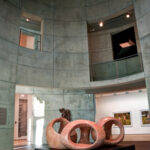
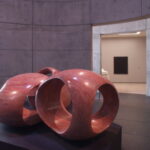
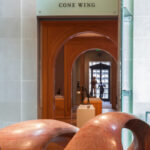
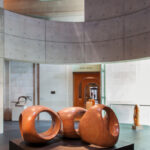
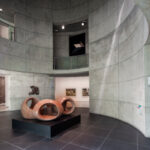
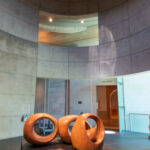
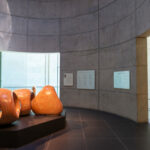
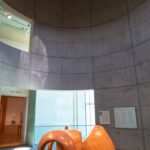
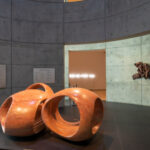
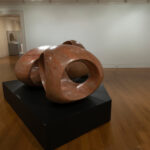
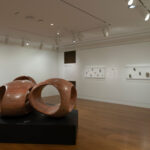
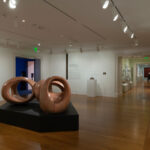
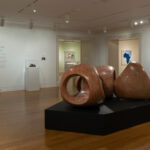
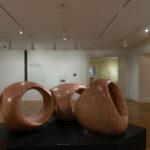
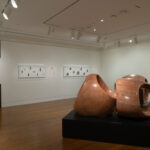
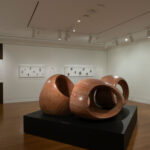
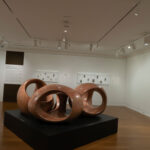
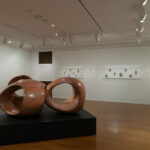
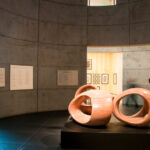
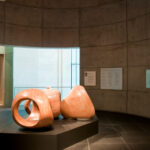
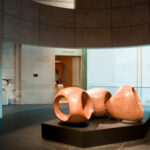
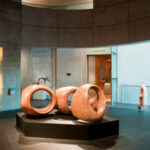
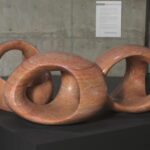
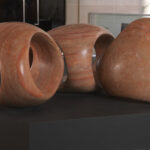
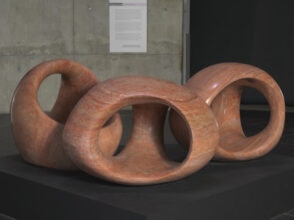
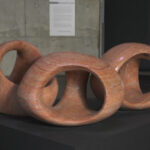
The rosy color and round, curving shapes in The Three Rings may evoke a living being that changes as you move around the work. At the same time, the abstract sculpture weighs over 2,000 pounds and does not attempt to hide its veined, porous marble surface. Henry Moore was invested in creating organic, human forms but also wanted to make work that emitted “the energy and power of great mountains.” The Three Rings emerges from these two seemingly contradictory desires. Moore chose Red Soraya marble—taken from quarries in Iran—specifically for its ability to evoke both organic life and inorganic matter, a juxtaposition that he first encountered while studying the figurative stonework created by Mezcala artists from ancient western Mexico (500–200 BCE).
BMA by gift 1987; Ryda H. and Robert H. Levi Foundation, Lutherville, MD by purchase 1968; Marlborough Fine Arts, London
Baltimore Museum of Art, "Crosscurrents: Works from the Contemporary Collection," Rotunda, February 26 - June 2025.
Henry Moore Foundation. "Henry Moore Illustrated Online Catalogue Raisonné." Accessed July 30, 2019. http://www.henry-moore.org/collections/catalogue-raisonne

Artist

Henry Moore

1897–1985

born Castleford, United Kingdom 1898; died Perry Green, United Kingdom 1986
Meet Henry Moore

Explore the Collection Further

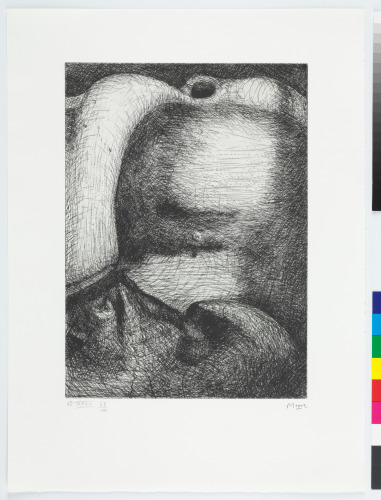
Henry Moore, Atelier Lacourière et Frélaut, and others
From the "Elephant Skull Album"
1968
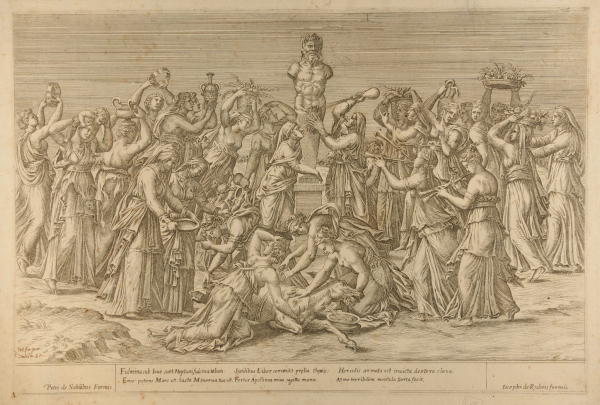
Unknown Artist, Probably Italian, Pirro Ligorio, and others
Women Bringing Offerings to a Herm of Priapus, with Three Sacrificing a Donkey in the Foreground
1578–1588
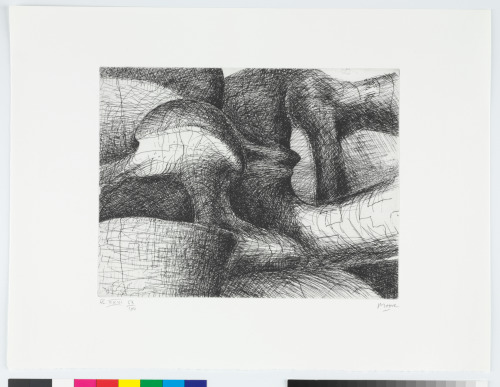
Henry Moore, Atelier Lacourière et Frélaut, and others
From the "Elephant Skull Album"
1969
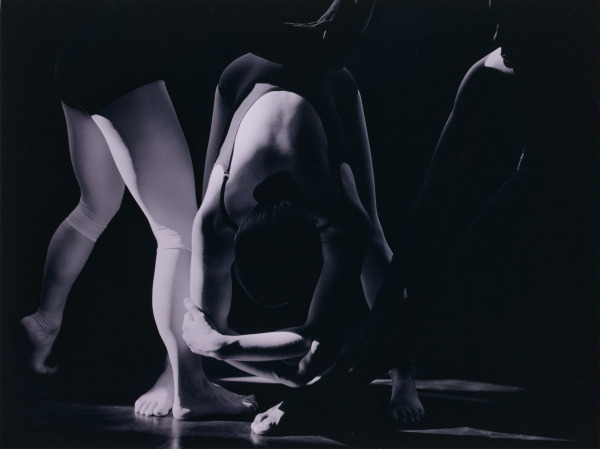
Sara VanDerBeek
Baltimore Dancers Three
2011
Henry Moore, Atelier Lacourière et Frélaut, and others
From the "Elephant Skull Album"
1968
Henry Moore, Atelier Lacourière et Frélaut, and others
From the "Elephant Skull Album"
1969
Charles Mason III
three the long way (every shot, every failure, still leading with love)
2021
Henry Moore, Atelier Lacourière et Frélaut, and others
From the "Elephant Skull Album"
1969
Anna Walinska
Survivors: Three Musicians (H-33)
1955
Henry Moore, Atelier Lacourière et Frélaut, and others
Elephant Skull Album
1968
Betty Cooke
Earrings
2014