
Peter Bateman, Ann Bateman, and others
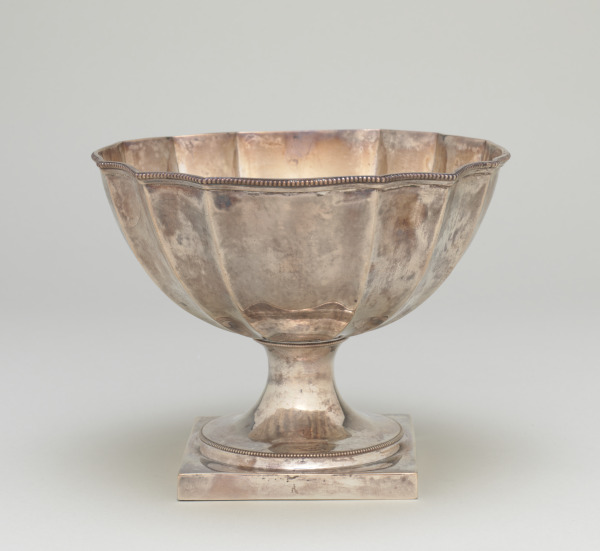
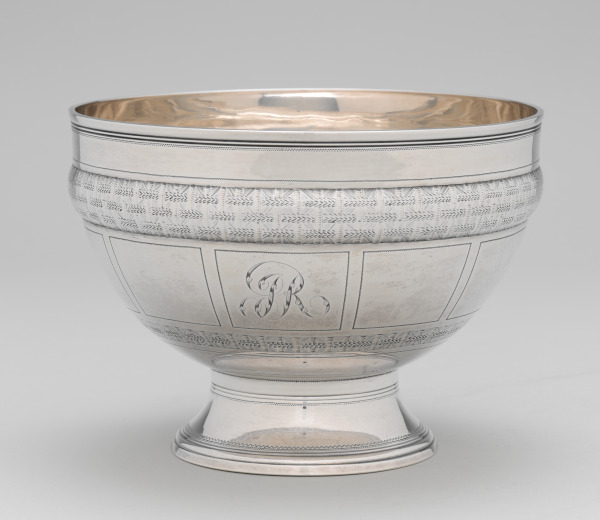
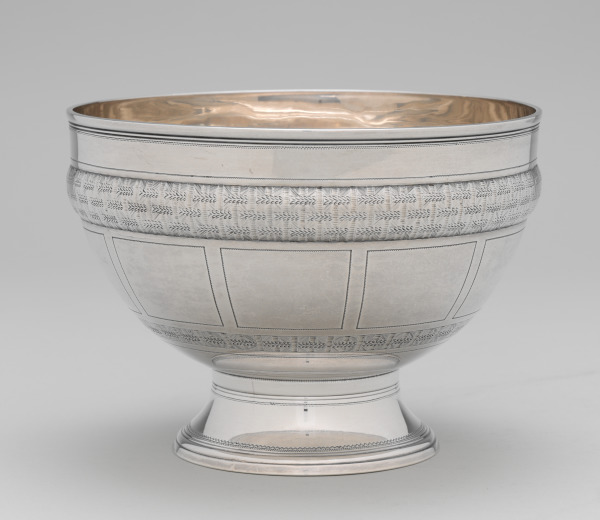
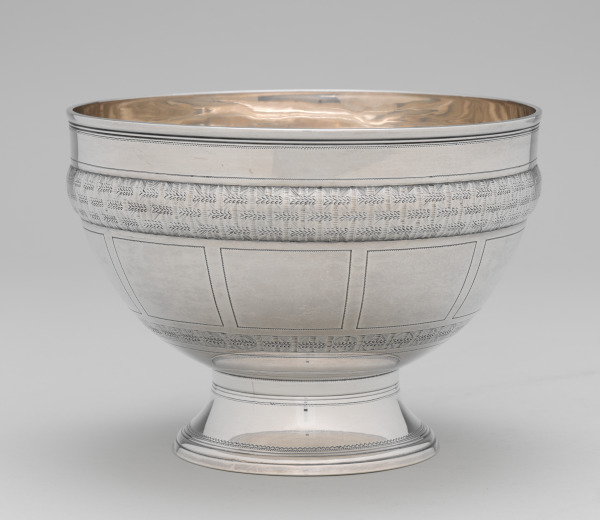
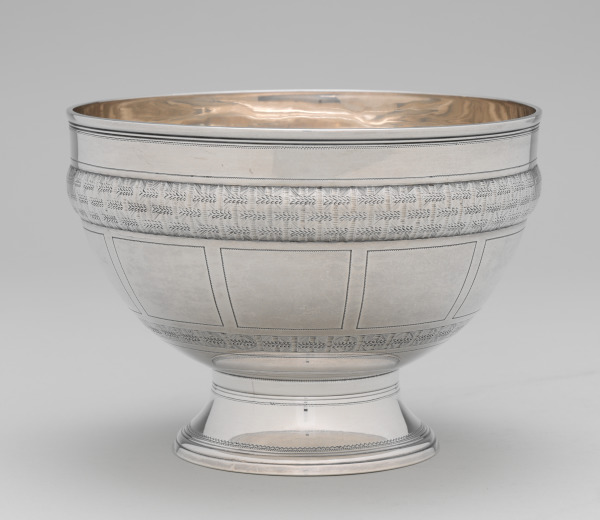
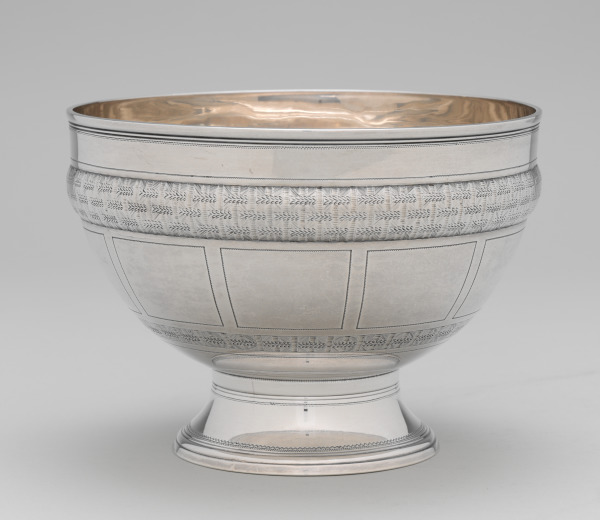
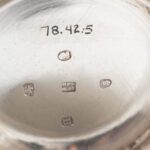
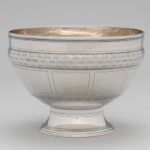
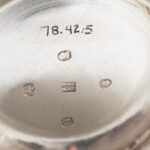
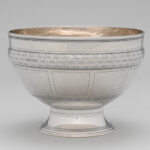
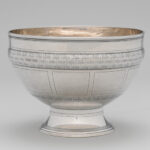
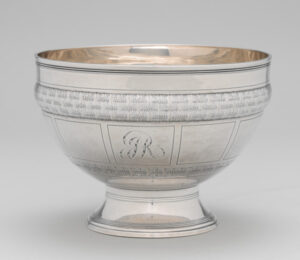
Waste Bowl
1802-1803
Scroll
Physical Qualities
Silver, 4 1/2 x 6 1/8 in. diam.
Credit Line
Bequest of Mary F. Megraw
Object Number
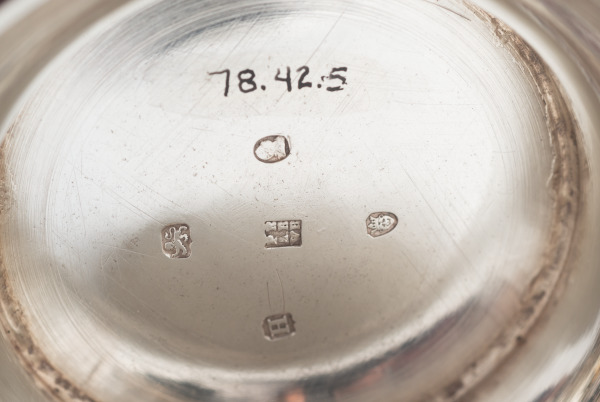
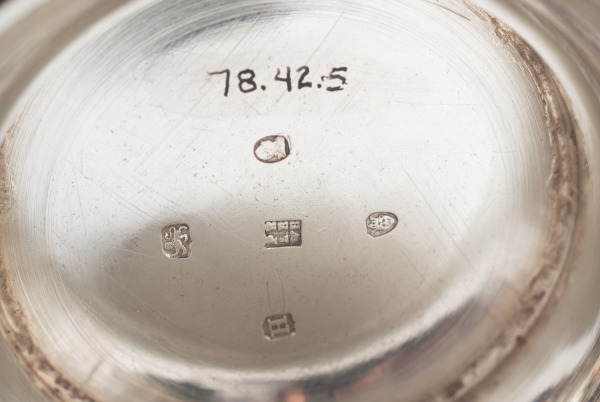
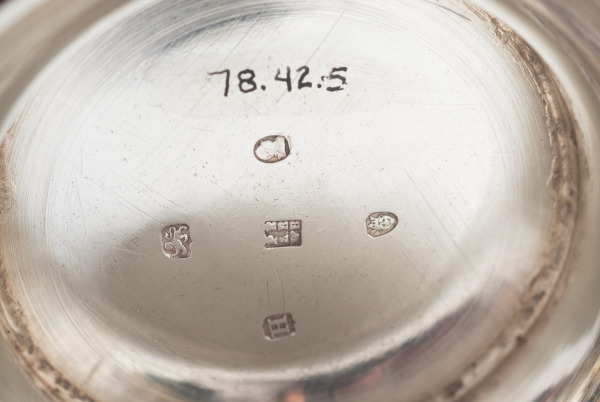
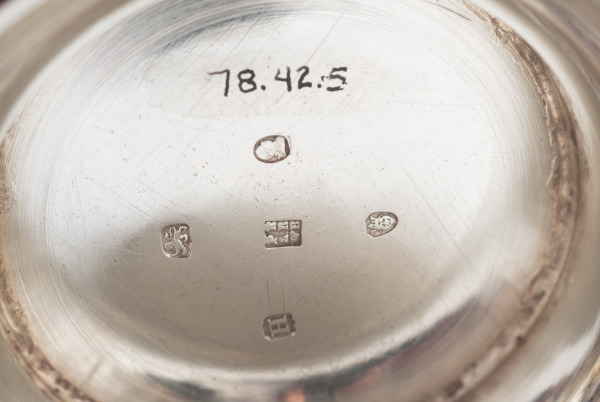
1978.42.5
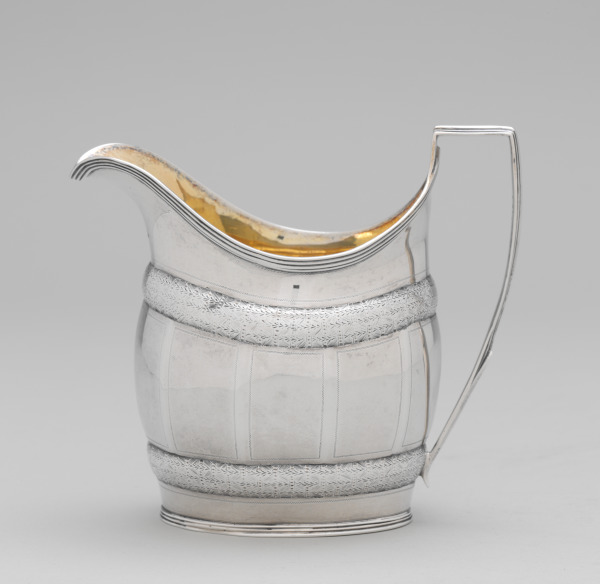
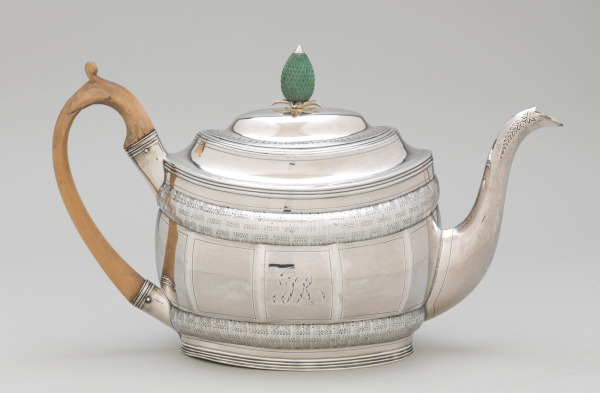
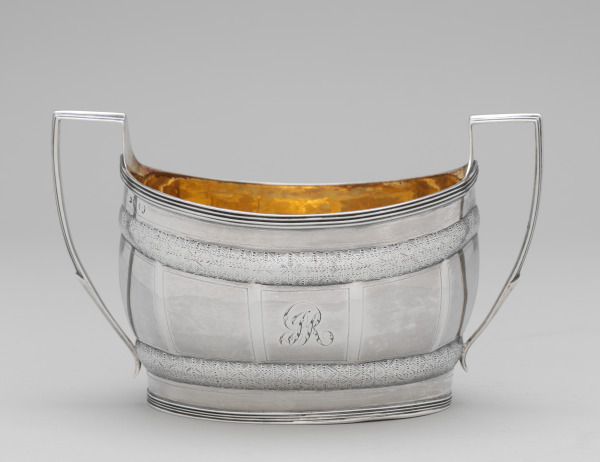
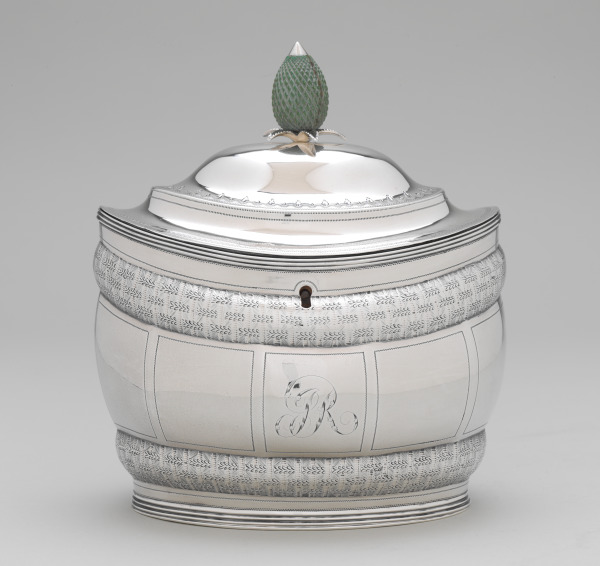
This tea service was made by the Bateman family of silversmiths in London at the turn of the 19th century when Britain was rapidly expanding control of global trade. Tea was an expensive, imported beverage for the upper classes. To emphasize privilege, the owner’s initials are engraved on the sides, a gold wash accentuates the sugar bowl and creamer interiors, and the tea leaves are locked inside the canister. To protect hands from heat, the teapot handle is crafted from wood and the lids are topped with stained-green ivory pineapples. While pineapples symbolized hospitality, this fruit, like the imported Asian tea and Caribbean or South American sugar, was traded under the exploitive networks of British imperialism.
The arrival of tea in England inspired new designs in silver and porcelain. This service was made in the workshop of female silversmith Hester Bateman by her children and grandson for wealthy household. The gold wash on the interior adds luster to an already precious metal, silver. The wooden and stained green ivory handles lessen the heat from the hot silver for serving. In addition to the foreign contents, tea from China, the ivory is fashioned into exotic pineapples, which were symbols of hospitality, but, like the tea, represent the foreign origins of British wealth and the colonial system of imperiality.
This tea service was made by the Bateman family of silversmiths in London at the turn of the 19th century when Britain was rapidly expanding control of global trade. Tea was an expensive, imported beverage for the upper classes. To emphasize privilege, the owner’s
initials are engraved on the sides, a gold wash accentuates the sugar
bowl and creamer interiors, and the tea leaves are locked inside the canister. To protect hands from heat, the teapot handle is crafted from wood and the lids are topped with stained-green ivory pineapples. While pineapples symbolized hospitality, this fruit, like the imported Asian tea and Caribbean or South American sugar, was traded under the exploitive networks of British imperialism.
The arrival of tea in England inspired new designs in silver and porcelain. This service was made in the workshop of female silversmith Hester Bateman by her children and grandson for wealthy household. The gold wash on the interior adds luster to an already precious metal, silver. The wooden and stained green ivory handles lessen the heat from the hot silver for serving. In addition to the foreign contents, tea from China, the ivory is fashioned into exotic pineapples, which were symbols of hospitality, but, like the tea, represent the foreign origins of British wealth and the colonial system of imperiality.
Jacobs Wing Rotations 2021
Jacobs Wing Rotations 2022
Jacobs Wing Rotations 2023
Jacobs Wing Rotations 2024
Jacobs Wing Rotations 2025
Inscribed: 'JR'