
Maya
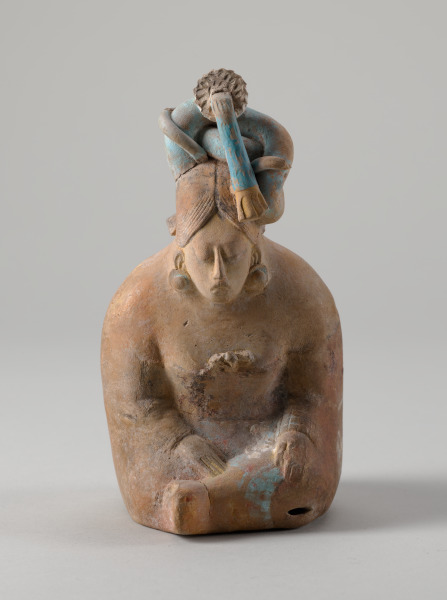
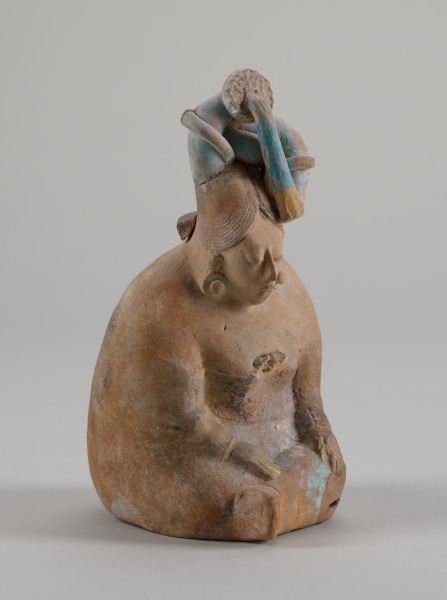
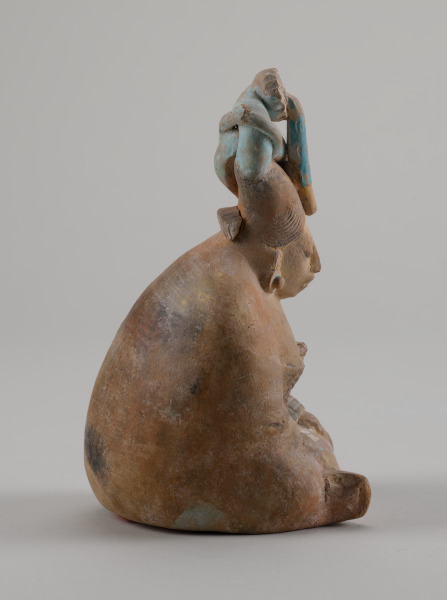
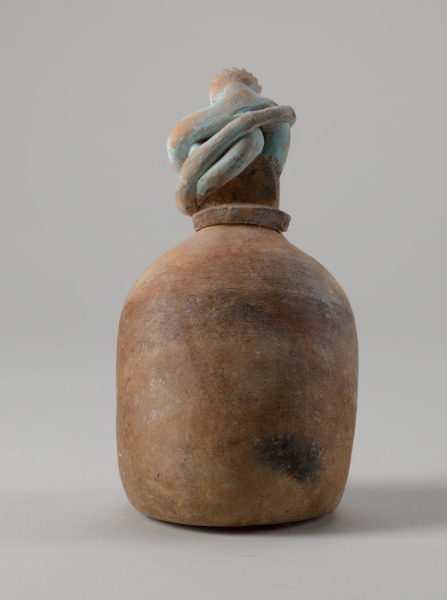
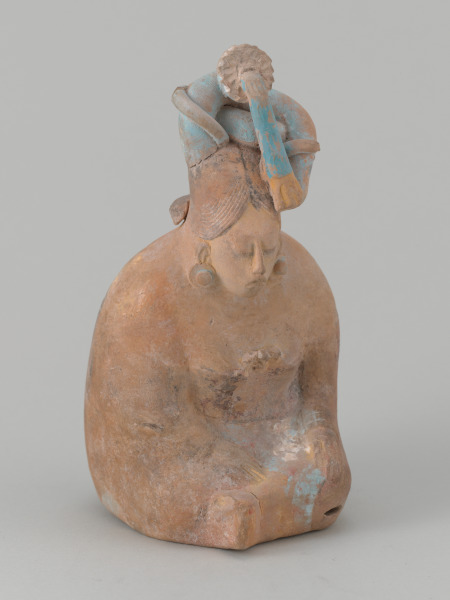
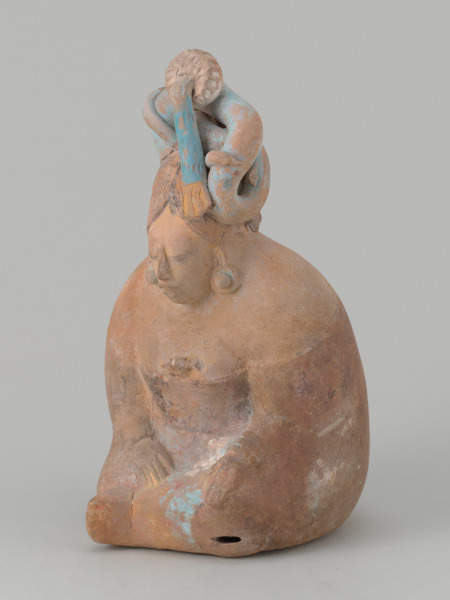
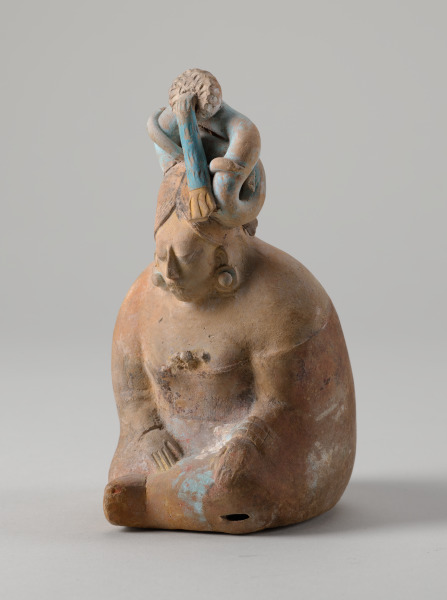
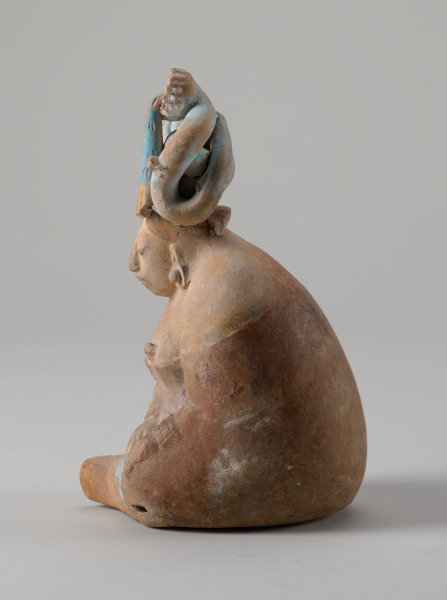
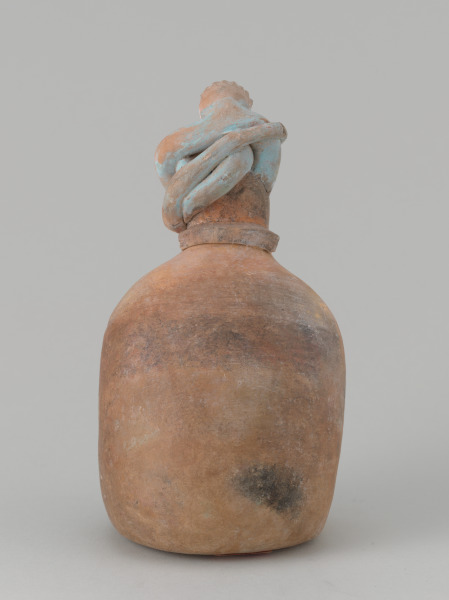
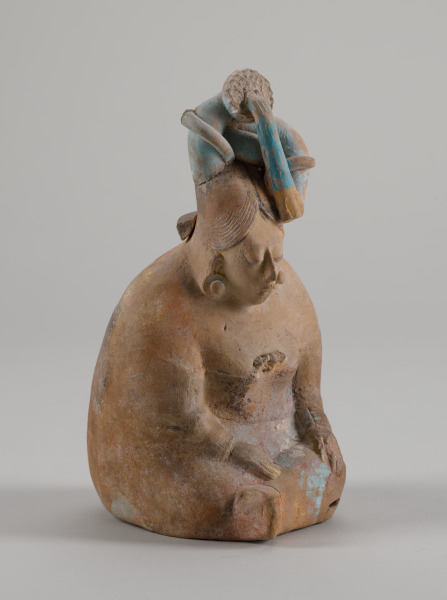
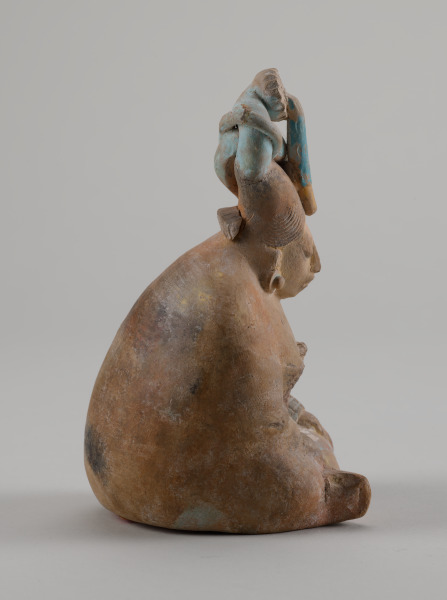
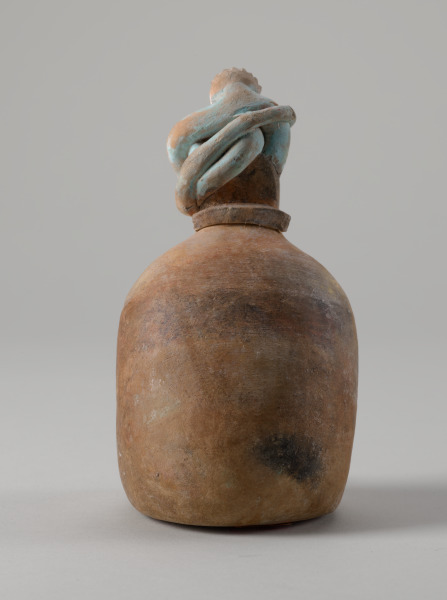
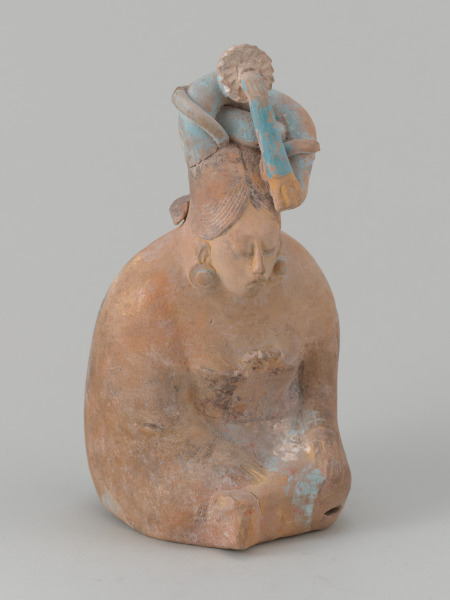
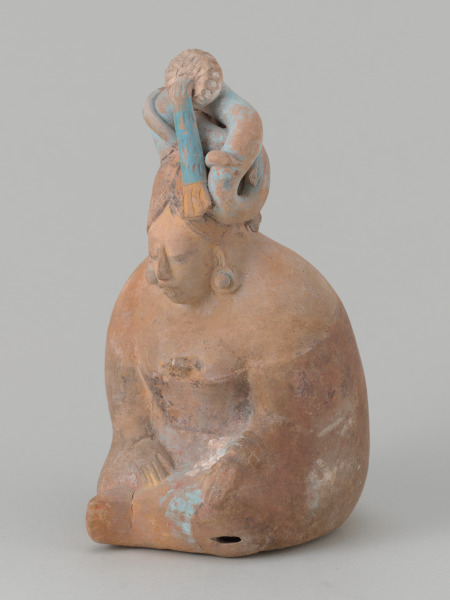
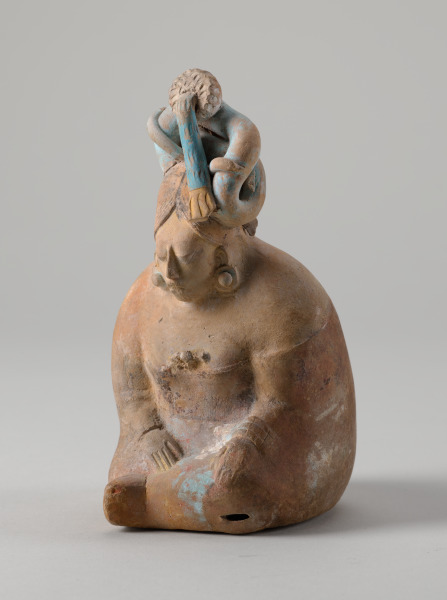
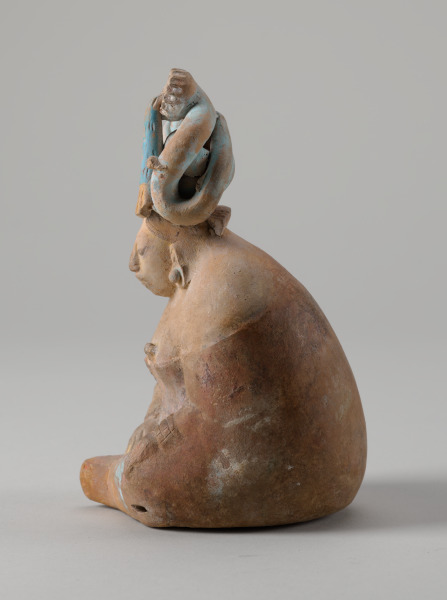
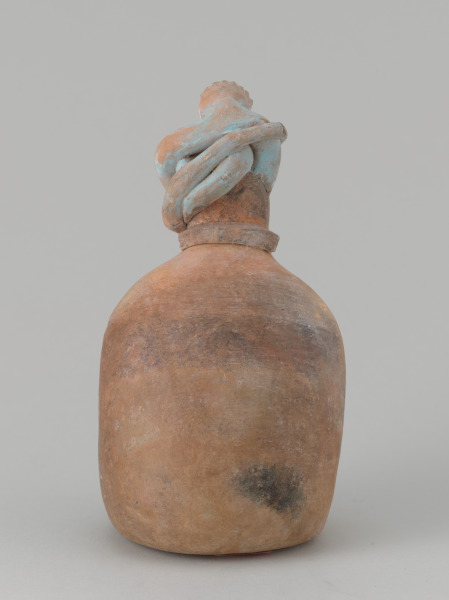
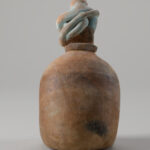
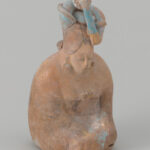
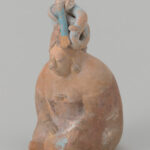
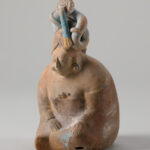
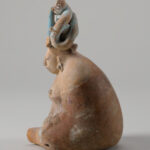
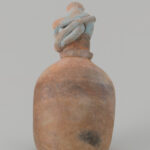
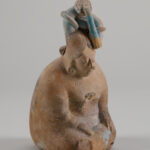
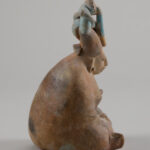
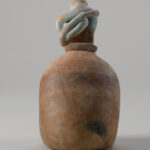
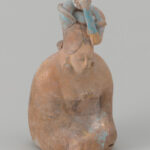
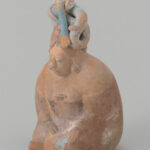
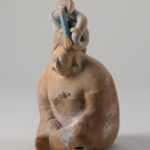
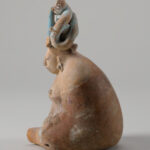
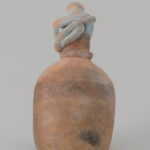
Whistle with Female Figure
Maya, 600-900
Scroll
Maya
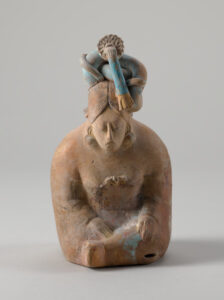
Whistle with Female Figure
Maya, 600-900
Physical Qualities
Ceramic and pigment, 5 3/4 in. (14.6 cm.)
Credit Line
Purchase with exchange funds from Gift of Alan Wurtzburger
Object Number
1968.6
Artworks of the Maya civilization served many purposes. Some works glorified the lords who ruled city states, while others reflected religious values and beliefs. The painted cylinder vase on the left portrays a tribute bearer waiting to be received by a lord. The figure holds an offering of a spondylus shell atop a bundle of cotton textiles, which were both luxury goods made available through long-distance trade.
The leader who commissioned the vase used such artworks as political tools to gain prestige. The whistle with a female figure and the vessel depicting jaguar god GIII both speak to the importance of the afterlife in Maya social consciousness. The whistle comes from an elite burial site located on Jaina Island off of the coast of Mexico, where thousands of such pieces were buried alongside the dead. Large ceremonial vessels, such as the one on the right, were often placed in caves, which were considered passages to the underworld.
Group label for 2006.116, 1968.6, and 1984.237.
The Baltimore Museum of Art by purchase, 1968; Acquired from Everett Rassiga, Inc, New York City in 1968
Wurtzburger Traveling
Ancient Americas Gallery Rotations 2021
Ancient Americas Gallery Rotations 2022
Ancient Americas Gallery Rotations 2023
Ancient Americas Rotations 2024
"Global Stores." BMA Today, no. 166, fall 2021: p. 24
 On View at the BMA