
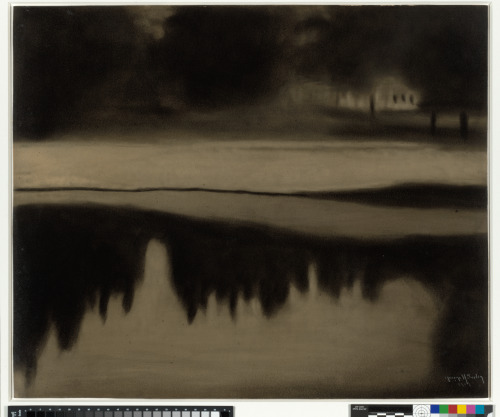
George H. Seeley
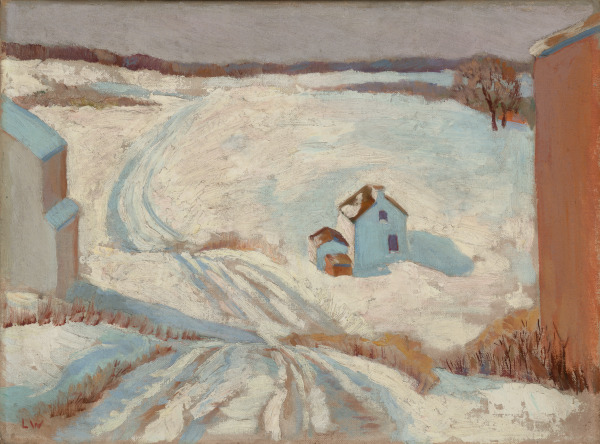
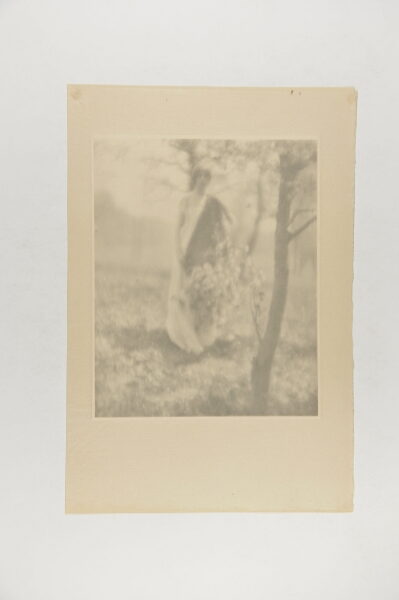
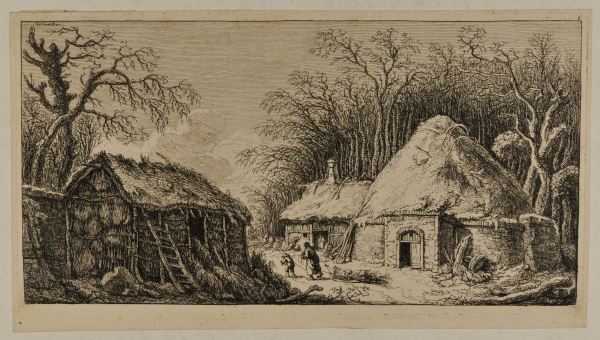
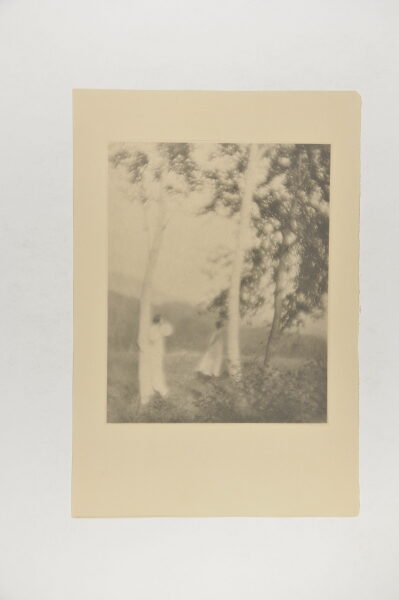
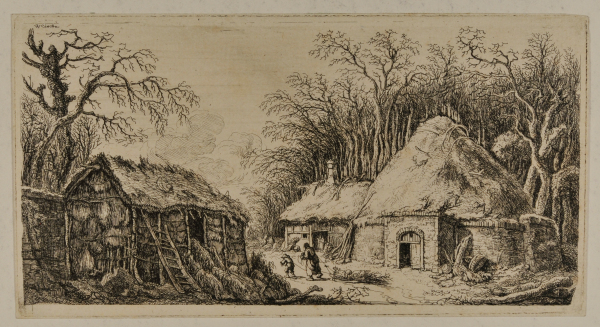
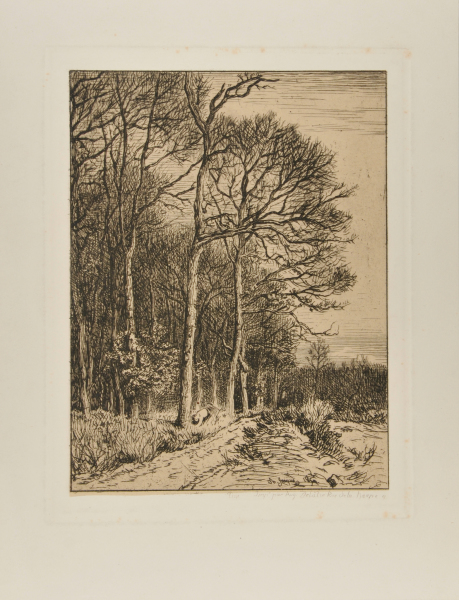
Winter Landscape
1908
Scroll
George H. Seeley
Winter Landscape
1908
Physical Qualities
Gum bichromate print, Sheet: 442 x 535 mm. (17 3/8 x 21 1/16 in.)
Credit Line
Purchase with exchange funds from the Edward Joseph Gallagher III Memorial Collection; and partial gift of George H. Dalsheimer, Baltimore
Object Number
1988.530
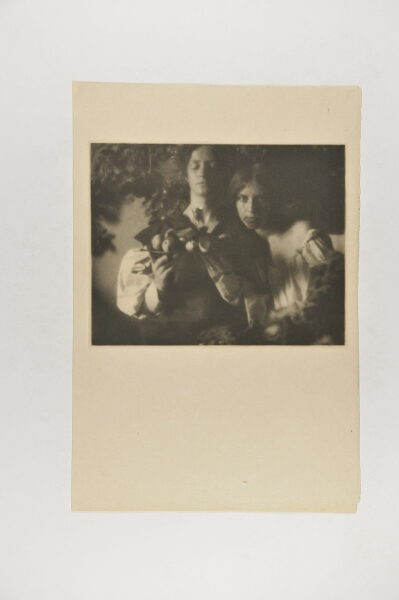
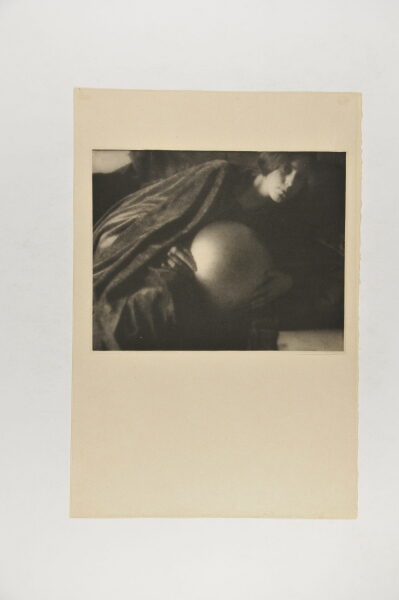
Many of the Pictorialists favored the gum bichromate process because it provided considerable control over the final appearance of their prints. To make a gum bichromate print, a photographer took a sheet of paper coated with an emulsion of light-sensitive, pigmented gum arabic (a transparent, watersoluble secretion from the acacia tree) and exposed it to light through a negative. The areas of gum covered by light or transparent parts of the negative hardened and adhered to the paper, whereas the areas of gum covered by dark or opaque parts of the negative remained soft and soluble. When the photographer placed the sheet in a water bath, the unexposed gum dissolved. While the paper was still wet, the photographer could alter select areas of the remaining emulsion by washing, brushing, rubbing, scraping, and scratching, creating a unique print that resembled a chalk or charcoal drawing.
Looking through the Lens: Photography 1900-1960
Inscribed: Recto: at lower right: "George H. Seeley 1909"; Verso: in black ink: "This photograph by / George H. Seeley of / Stockbridge Mass. / Made in the Year 1909'