
Conservation
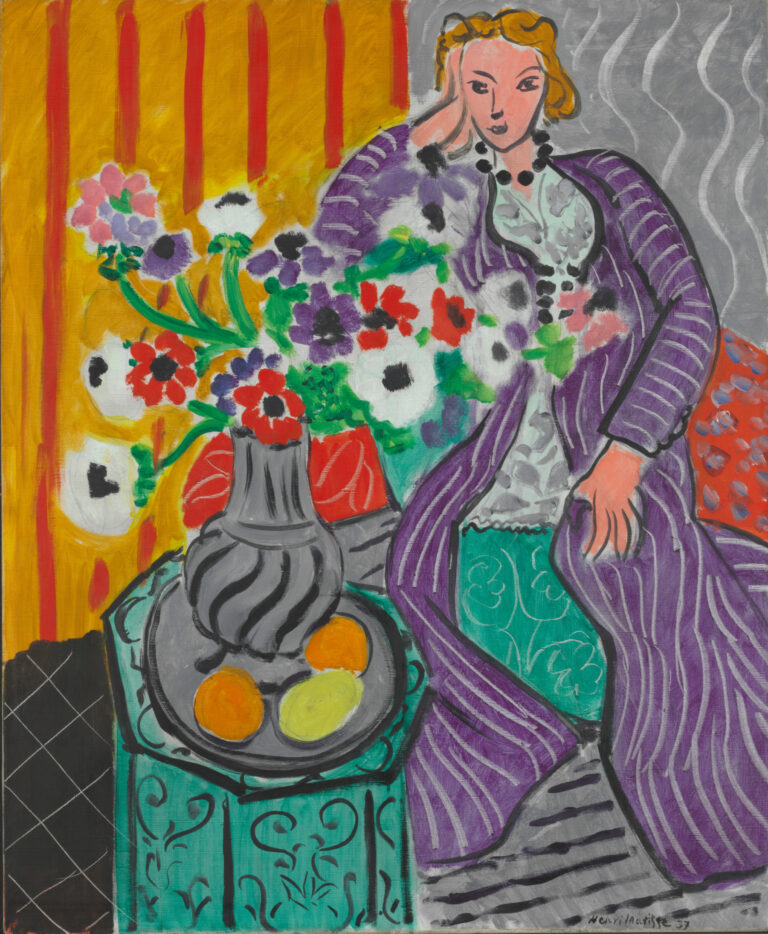
The BMA’s Conservation Department is dedicated to preserving the Museum’s collection of nearly 97,000 works, with staff members caring for paintings, frames, three-dimensional objects and sculpture, textiles, books, works on paper, and photographs.

History
The in-house department at the BMA was established in 1963—with only a single conservator. As the department grew, the role of conservation at the Museum expanded from treatment to education and outreach, artist engagement, and research on artists’ materials and techniques as well as improved methods for exhibition, loan, and storage of the collection. To study, preserve, and improve access to the art, conservators work with colleagues across the Museum, such as curators, registrars, educators, art handlers, and designers.
Objects Conservation
Objects conservation is the study and care of three-dimensional works of art. At the BMA such works include those in the departments of Contemporary Art, Decorative Arts, and the Arts of Africa, the Americas, Asia, and the Pacific Islands. The Objects Conservator and Technician collaborate with other conservation staff, curators, registrars, and facilities and Installation staff, among others, to safely present artworks in the BMA’s galleries and Sculpture Gardens; they also assess three-dimensional objects and accompany loans to various museums in the United States and abroad.
Paintings Conservation
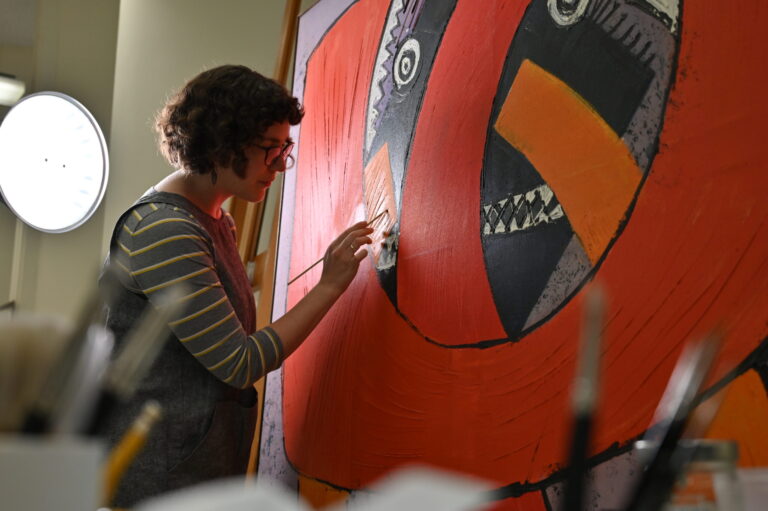
Paintings conservation includes the study and care of the BMA’s paintings and their frames. Conservation treatment can indeed include dramatic cleaning, stabilizing, or restoration, but much of the job consists of the rarely visible work of preventive conservation. This effort is aimed at ensuring that the BMA’s collection of paintings and their frames is prepared safely for exhibition and loan, and preserved for future generations.
Paper Conservation
Members of the Paper Conservation team are responsible for the preservation, study, treatment, and display of the more than 68,000 works on paper in the Museum’s collection. The collection boasts a variety of formats, such as prints, drawings, photographs, manuscripts, books, scrolls, and folding screens. Because works on paper are sensitive to light, they are exhibited throughout the BMA on a rotating basis.