
BMA Stories
Storytelling is essential to human existence. Explore stories about art, artists, and the museum. What are BMA Stories?


Amy Sherald’s American Sublime
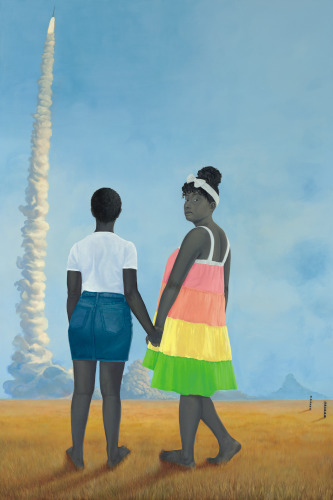
On November 2, 2025, the Baltimore Museum of Art opened Amy Sherald: American Sublime. The acclaimed exhibition is the most comprehensive presentation of Sherald’s work to date, illuminating the arc of her career from 2007 to 2024 through approximately 40 paintings. From foundational early works to some of her most iconic and recognizable portraits and rarely seen examples, American Sublime captures the power and poignancy of Sherald’s artistry and traces her ascendance as one of the most influential figurative painters of our time.
Shinah Solomon Etting: Jewish Matriarch of Early Baltimore
In the wake of the Great Fire that destroyed much of Baltimore in 1904, the city’s civic leaders rallied around the belief that a great city needed a great museum. From this beginning, the Baltimore Museum of Art has grown into a major cultural destination that cares for an internationally celebrated collection of more than 97,000 artworks and embodies a commitment to artistic excellence and social equity for the benefit of all communities throughout Baltimore and beyond. What follows is a selection of notable events that offers a look at the celebrated history of the BMA and its continued work to connect art to Baltimore and Baltimore to the world.
Nylon Nature: Grenfell Rugs and Arctic Production
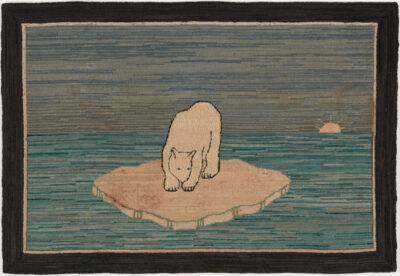
This hooked mat, featuring a polar bear floating on ice, was made by a woman living in a fishing village on the coast of Newfoundland and Labrador, Canada. Pre-made designs, along with kits of materials, were issued to women living in fishing communities across Newfoundland and Labrador. These women worked in their own homes, carefully hooking strands of silk or rayon through the burlap that served as the base for a rug. In turn, these vibrantly colored rugs were sent out to urban consumers in Canada, Britain, and New England.