
Jacob Sass, Gesken & Desel, and others
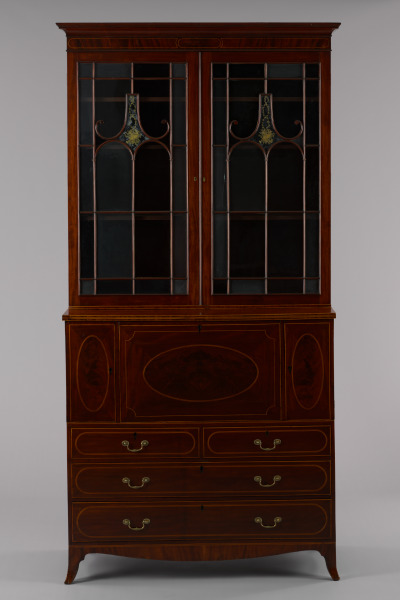
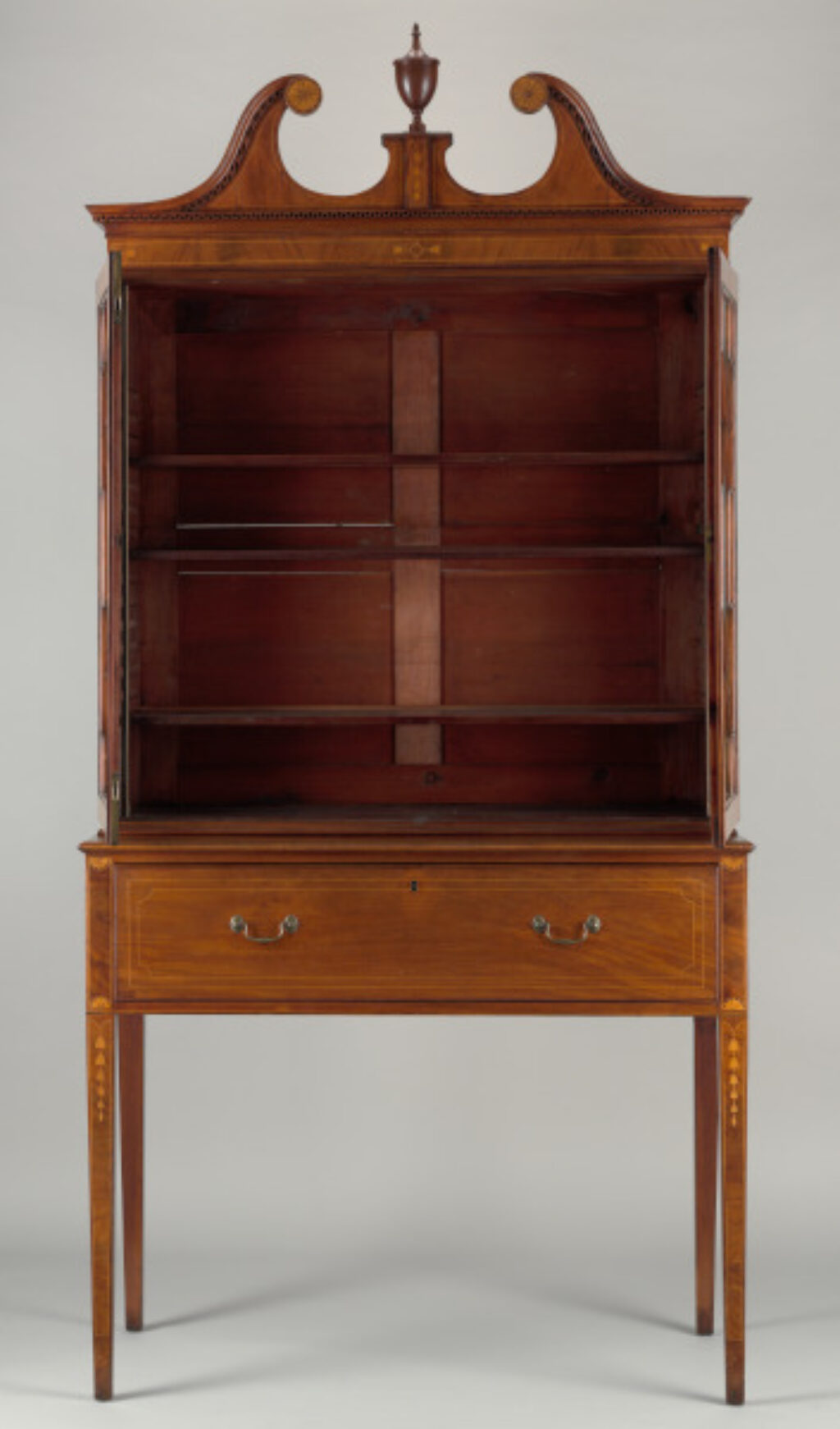
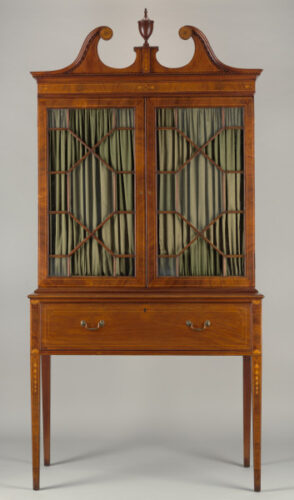
Secretary-Bookcase
1784-1789
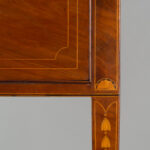
Scroll
- Manufacturer: Jacob Sass
- Previously attributed to: Gesken & Desel
- Previously attributed to: Warner & Silberg, active c. 1785
Secretary-Bookcase
1784-1789
Physical Qualities
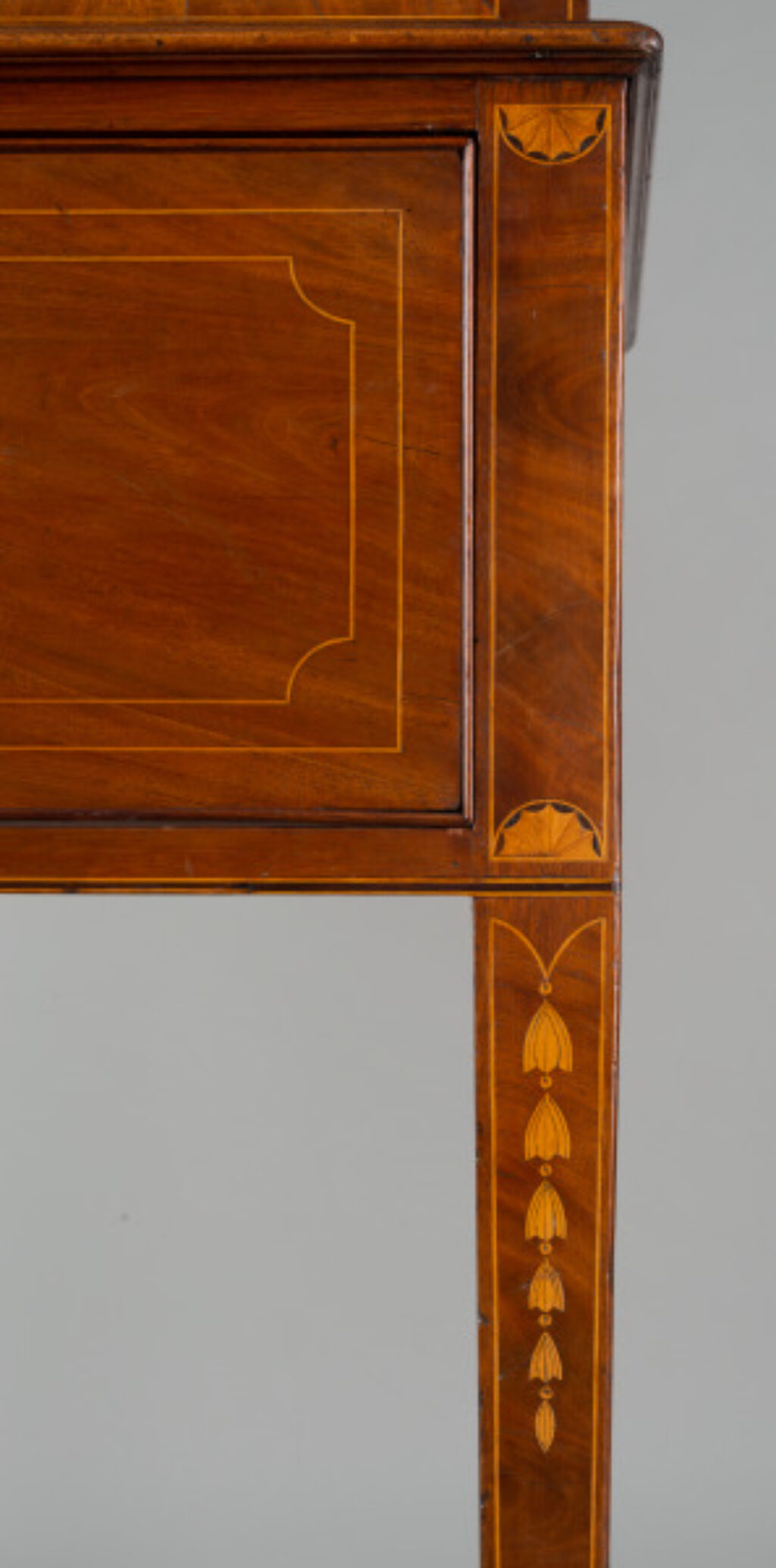
Mahogany; mahogany veneers; light wood inlays; secondary woods: cedar and yellow pine; brass; replaced curtains, 101 3/4 x 49 13/16 x 24 7/16 in. (258.4 x 126.5 x 62.1 cm.)
Credit Line
Purchased as the gift of a Group of Friends of the Museum
Object Number
1946.141
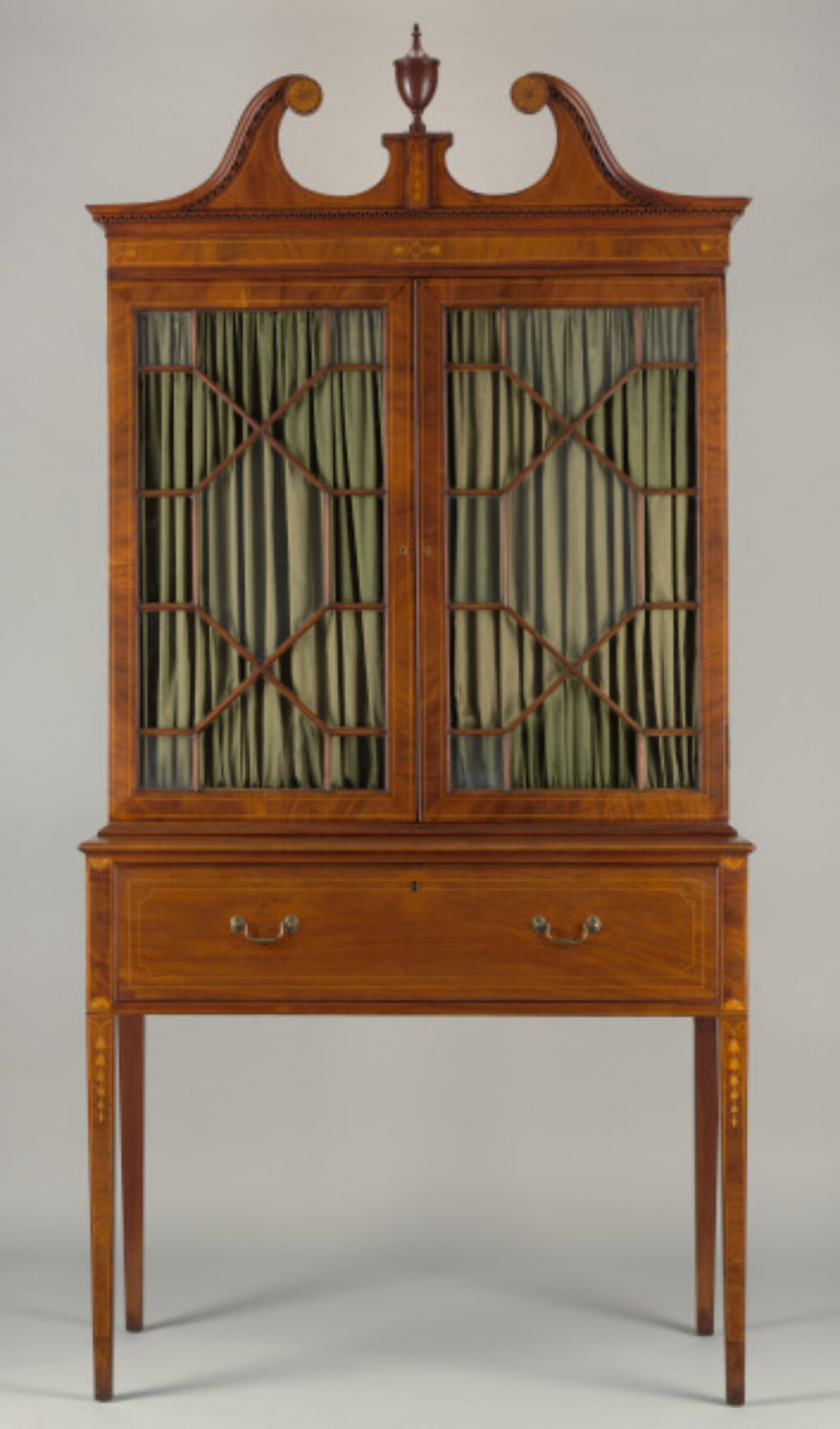
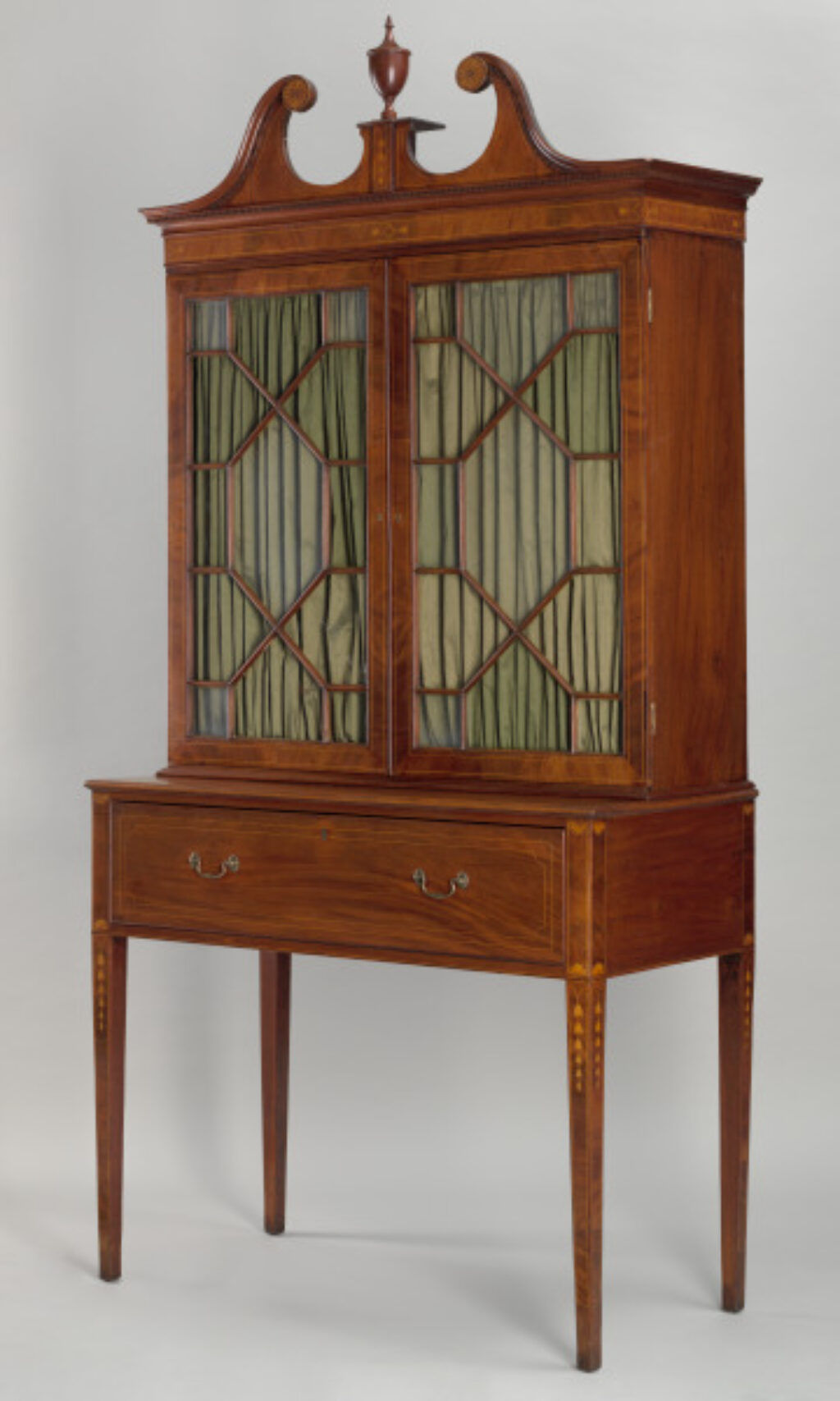
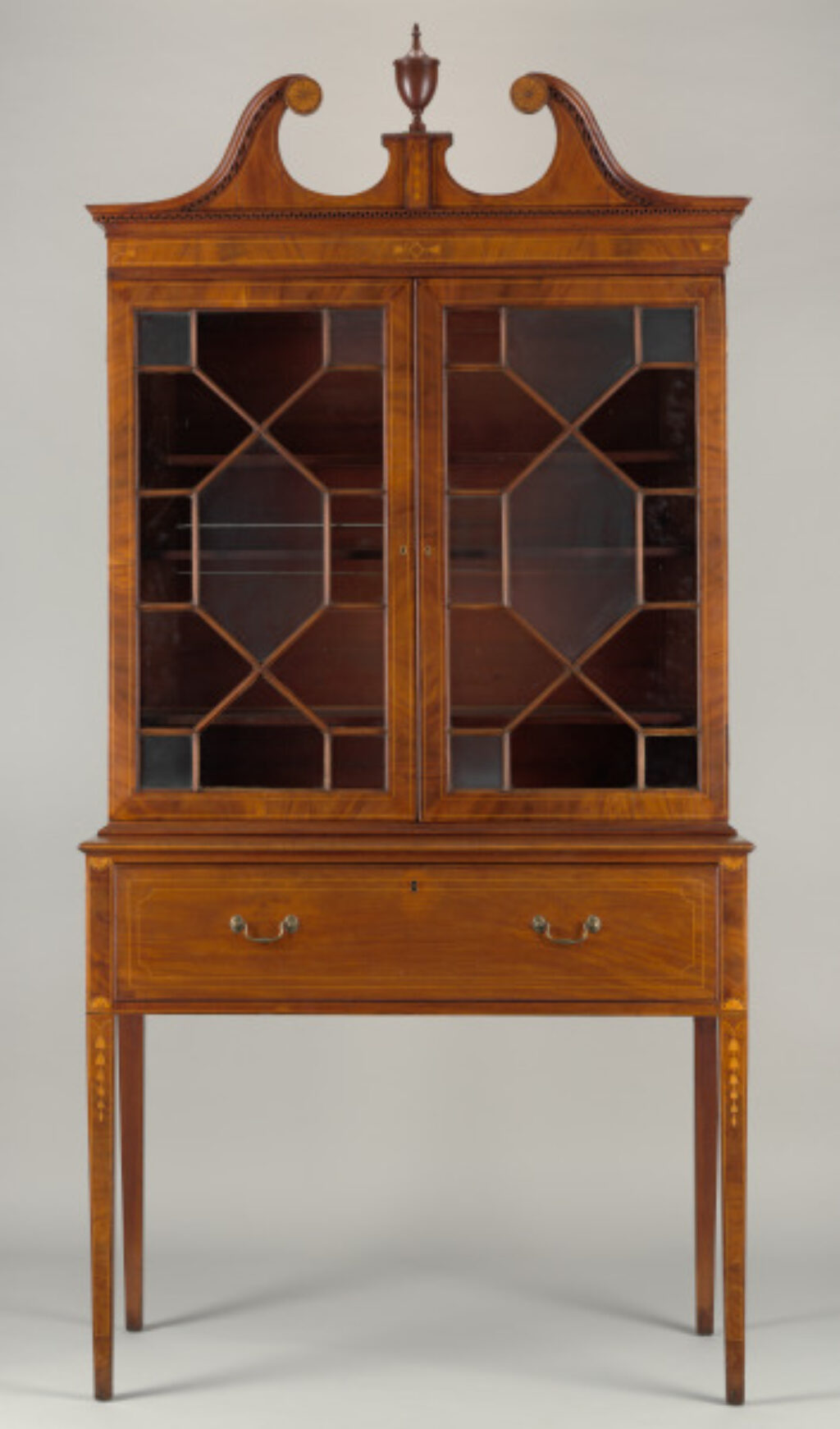
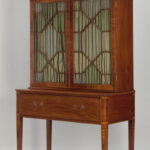
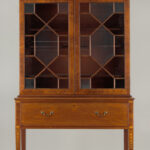
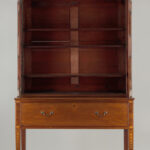
The front of this bookcase is deceptive. What appears to be the face of a drawer actually drops open forward to form a flat desk surface for writing letters. Combination bookshelf and secretary desks grew in popularity at the end of the 18th century as more men and, particularly, women of substantial wealth were educated to read and write. Jacob Sass was a leading cabinetmaker in a thriving community of German immigrants who settled in Charleston, South Carolina, in the 1770s. This design incorporating lines, flowers, and large scrolls, however, draws from English pattern books, showing his adaptation to local taste. Sass and members of his workshop used mahogany wood, probably imported through the port of Charleston from plantations in the nearby Caribbean.
The Baltimore Museum of Art, by purchase, 1946; Robert E. Lee Memorial Foundation, Stratford Hall, Virginia; Mrs. J. Amory Haskell; L. Richmond, Freehold, New Jersey.
American Art Association, New York, "Loan Exhibition of Eighteenth and Early Nineteenth Century Furniture, Girl Scouts, Inc.," 1929, no. 707.
The Baltimore Museum of Art, "Baltimore Furniture," 1947, no. 75.
Maryland Historical Society, "Maryland Heritage," 1976, no. 109.
The Baltimore Museum of Art, "Baltimore Furniture," 1947, no. 75.
Maryland Historical Society, "Maryland Heritage," 1976, no. 109.
American Art Association, New York, "Loan Exhibition of Eighteenth and Early Nineteenth Century Furniture, Girl Scouts, Inc.," 1929, no. 707, ill.
The Baltimore Museum of Art, "Baltimore Furniture," 1947, no. 75, pp. 118-119.
Maryland Historical Society, "Maryland Heritage," 1976, no. 109, pp. 122-123.
Elder III, William Voss and Jayne E. Stokes. American Furniture 1680-1880: From the Collection of the Baltimore Museum of Art. Baltimore: Museum of Art, 1987, p.109-110, ill. 79.
Bivins, John. The Convergence and Divergence of Three Stylistic Traditions in Charleston Neoclassical Case Furniture, 1785-1800, "American Furniture," 1997, p. 56-57, ill. 6-7.
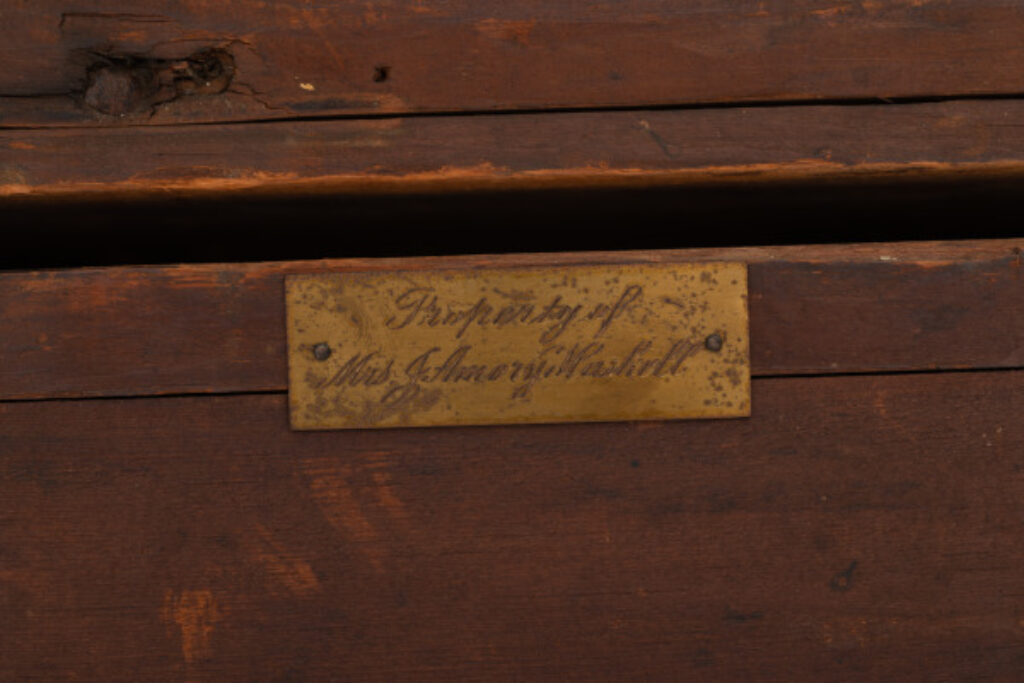
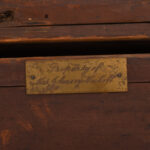
Inscribed: Brass plaque on rear of base section 'Property of Mrs. J. Amory Haskell,' and a handwritten paper labeled 'Mrs. Amory Haskell/ E. 61st st.' In secretary drawer some valances are inscribed. The first one left of the center door has 'Invitations' in block ink. In more faded inscriptions the valance second from the left of the second door from the left end has 'Re___,' one right of the center has 'Private Letters' and last one on right has initials 'C.I.J'


Previously attributed to
Warner & Silberg, active c. 1785
2000–2000
American
Meet Warner & Silberg, active c. 1785
 On View at the BMA