Kashan kilns
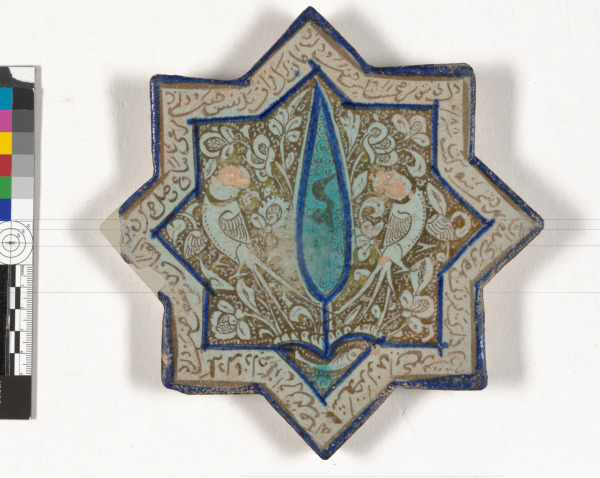
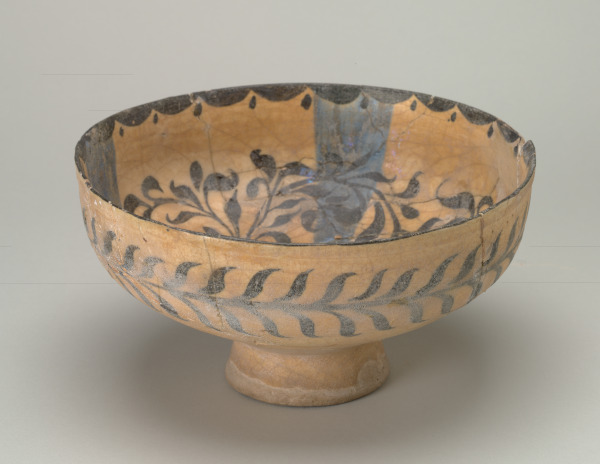
Small Dish Decorated with a Bird
1166-1199
Scroll
Kashan kilns
Small Dish Decorated with a Bird
1166-1199
Physical Qualities
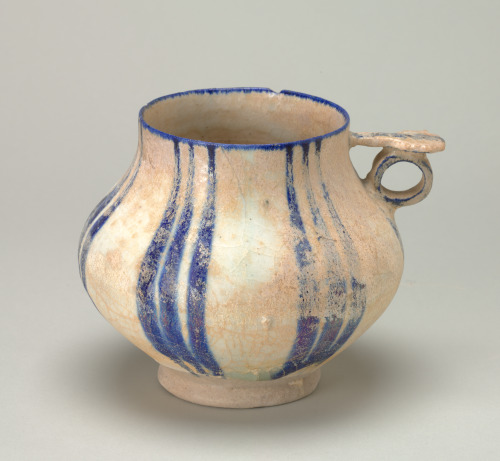
Fritware with blue glaze and luster decoration over white glaze, 1 1/8 H x 4 Diam. in. (2.9 x 10.2 cm.)
Credit Line
Gift of Richard and Elizabeth S. Ettinghausen in Memory of Adelyn D. Breeskin
Object Number
2013.205
Adapting a process developed by Egyptian and Syrian glassmakers, specialized
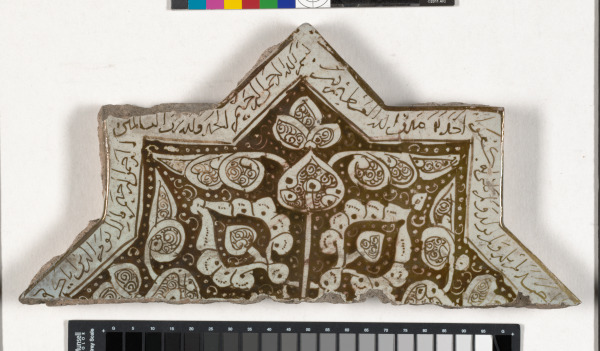
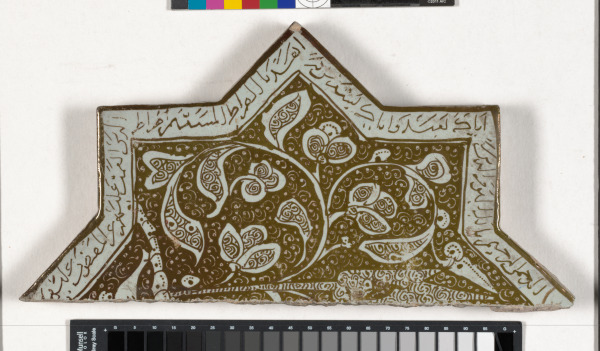
artisans created lusterware, a deluxe product associated with the city of Kashan
in central Iran. They used expensive metallic oxides (usually silver or copper) to
decorate previously glazed and fired fritware vessels and tiles which, after a second firing, were polished to create a shiny surface. Animals and birds were among the motifs used to decorate lusterwares.
The Baltimore Museum of Art by gift, 2013 (on extended loan from 1957); Elizabeth Ettinghausen, Princeton, NJ; Richard S. Ettinghausen
Extended Loans IN
Art Across Asia: West Asian Connections
Oliver Watson, "Ceramics from Islamic Lands," NY: Thames & Hudson, Inc., 2005, p. 347-350.